 Sri lanka Muslims Web Portal Sri Lanka Muslims News Center
During Ramadan, the mosque tends to become much busier. People come for prayers, of course, but there’s usually much more happening around those prayers. Food is being prepared. Donations are being collected. Volunteers are moving betwen the kitchen and prayer area. Someone is making sure there’s enough water. Someone else is putting together food parcels for families who need them. It can get hectic. But that’s also what makes the mosque such an important part of Ramadan for many communities. A mosque can become a place where people actually look out for one another. Not just during prayer, but in very practical ways.
Iftar Brings People into the Same Space
Community Iftars can be particularly important for people who may not have anyone else around at that time. Students living away from home. Elderly people. Someone who has recently moved to the neighbourhood. A person travelling through the area. Even families struggling financially may find a community Iftar useful. They don’t have to explain their situation or ask for anything. They can simply come, sit down and eat. That’s part of the dignity of a good community programme. It’s not always obvious who needs support.
Give Young People Something to Actually Do
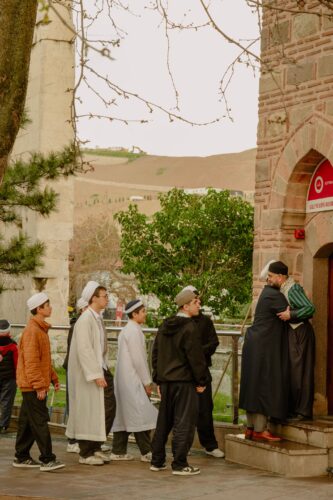 Young people are often encouraged to participate in Ramadan activities, but simply asking them to “volunteer” doesn’t go very far. Give them something specific. A group can handle Iftar distribution. Another can organise the tables. Someone can keep track of food supplies. Older teenagers can help elderly visitors or families with children. After Iftar, volunteers can help clean up rather than leaving the same few people to deal with everything.
Charity Should Reach People Who Actually Need It
Ramadan brings a lot of charitable giving, but good intentions still need good organisation. Food drives are a good example. Rather than simply collecting whatever is available and putting together identical packages, local organisers can speak to families and find out what’s actually useful. A household with several children will have different needs from an elderly couple. Some families may need basic groceries, while others may need help with a different expense altogether.
Local knowledge makes a difference here. Mosques already have relationships within their communities, which puts them in a good position to identify people who may be struggling but are unlikely to come forward themselves.
There also needs to be clarity around donations. People contributing ZakatA tax that is the duty and social obligation of every Muslim. This as the fourth Pillar of Islam. More or Sadaqah should know what their money is being used for and who’s responsible for distributing it.
Not Everyone Walking into the Mosque Knows Someone
This is easy to forget. Regular worshippers already know where everything is. They know which door to use, where to pray, who the volunteers are and what normally happens after Maghrib. A newcomer doesn’t. Someone visiting for the first time may feel awkward about asking where to sit or where food is being served. An older person may need help carrying a plate. A family with young children may need a little extra space. Having a few people whose job is simply to welcome and help others can change the whole experience.
The same applies to people from outside the Muslim community. An open Iftar can be a good way to invite neighbours and colleagues to experience Ramadan without making the evening overly formal. There doesn’t need to be a long speech about Islam. Sharing a meal and having a normal conversation can be enough. Ramadan has always had a strong community element. Making space for others is part of that.
Timings Need to Be Communicated
The less interesting side of organising Ramadan programmes is often the part that makes everything work – timings.
Iftar has to happen at the right time. Volunteers need to know when food should be ready. Maghrib and Taraweeh timings need to be communicated clearly. If a mosque is serving hundreds of people, even a small misunderstanding can create unnecessary problems.
Families are dealing with the same thing at home. Work, school, cooking, prayer, Suhoor, Iftar and community activities all have to fit into a day that’s already different from the usual routine. Having accurate timings available helps. A Ramadan timetable 2027 can be checked when planning Suhoor, Iftar, prayers and other commitments around the fasting schedule.
Keep Some of It Going After Ramadan
The best part of these programmes may actually come later. The volunteers who met through an Iftar project might decide to keep working together. A food distribution programme might continue on a smaller scale. Someone who needed help during Ramadan may eventually become one of the people providing that help. That’s how a community develops.
The mosque doesn’t have to run a major project every month. Even a small food support programme, a regular volunteer group or occasional community meal can keep some of that connection alive. Ramadan creates the opportunity. The relationships are what can remain.
The wider humanitarian side of Ramadan is also recognised internationally. The United Nations has highlighted themes of solidarity, compassion and standing with communities facing hardship during Ramadan and related observances.
Sometimes community support looks very ordinary. A meal. A grocery bag. Someone making sure an elderly neighbour gets home safely. A volunteer staying behind to clean the hall. All of these things are what make a mosque feel like a community rather than simply a place where people come to pray.
Post Disclaimer | Support Us
Support Us
The sailanmuslim.com web site entirely supported by individual donors and well wishers. If you regularly visit this site and wish to show your appreciation, or if you wish to see further development of sailanmuslim.com, please donate us
 Donate
IMPORTANT : All content hosted on sailanmuslim.com is solely for non-commercial purposes and with the permission of original copyright holders. Any other use of the hosted content, such as for financial gain, requires express approval from the copyright owners.