 Sri lanka Muslims Web Portal Sri Lanka Muslims News Center
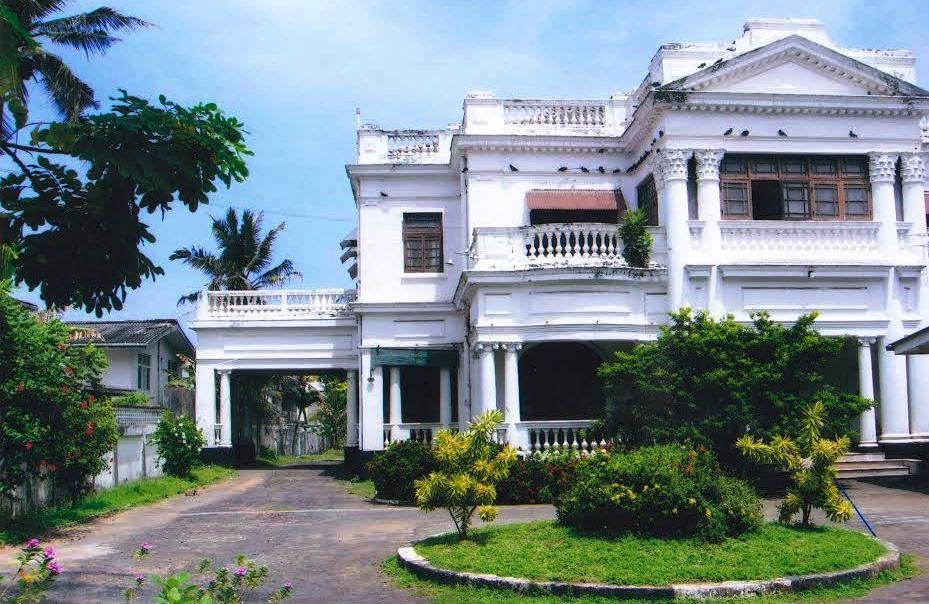
The history of the majestic mansion ‘Mumtaz Mahal’ situated at 544, Galle Road, Kollupitiya, built by a member of a leading Muslim family is a fascinating story.
Mohamed Cassim Bhoy, who came to Ceylon from Surat, India in 1820, married and settled down in Matara. His wife was from a well-known family who were migrants from Yemen in the Arab Peninsula. Their eldest son M. Cassim Ismail was born in 1825, whose eldest son, M.I. Mohamed Alie, was born in June 1861. His children were M.A.M. Ismail, M.A. Moomeen and M.A.M. Hussein.
Mohamed Alie was the first Persian Vice-Consul in Ceylon, appointed to that position by Queen Victoria on March 24, 1896. He was also the first Muslim Justice of the Peace (JP). Alie’s descendants were referred to as members of the ‘JP family’. He owned many properties including Orangefield Estate in Rakwana. His Colombo home was on Dam Street in the vicinity of Hulftsdorp, which was a residential area at that time. (Many businessmen and traders from the Middle East and other countries had migrated to Surat in India. There is some thinking that Cassim Bhoy may be of Persian descent, by virtue of his grandson Mohamed Alie being appointed as the first Persian Vice Consul in Ceylon by Queen Victoria).
On 10.5.1928 Mohamed Alie embarked on the P. and O. ‘Moldavia’ for his journey to perform Haj. He reached Jeddah on 17.5.1928. He was accompanied by leading businessman N.D.H. Abdul Caffoor, his wife Nafeesa and daughter Ayesha (Alie’s daughter-in-law). Alie had fallen ill on the last day of their stay in Arabia. Then, Caffoor requested that the ship s.s. ‘Oxfordshire’ be delayed for a day thinking he will recover, but he fell unconscious while on the ship. In a few days he died on 4.6.1928 and they buried him at sea. Apparently Caffoor had to pay the ship’s company for that extra day they had to delay the ship. Alie’s wife Amsa Umma died on 5.2.1936.
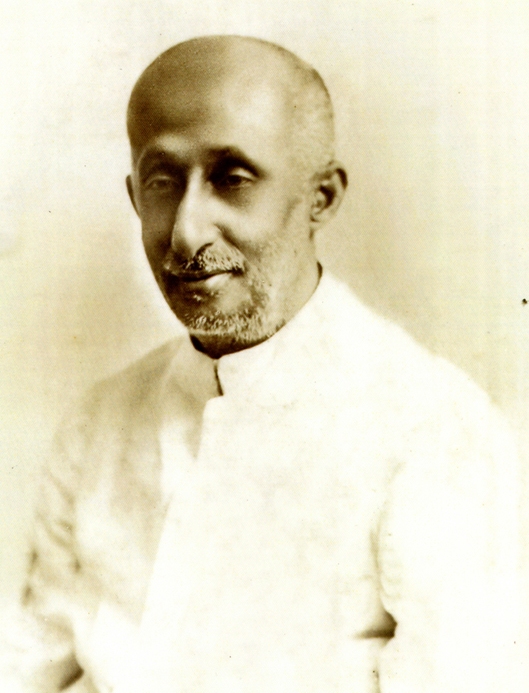
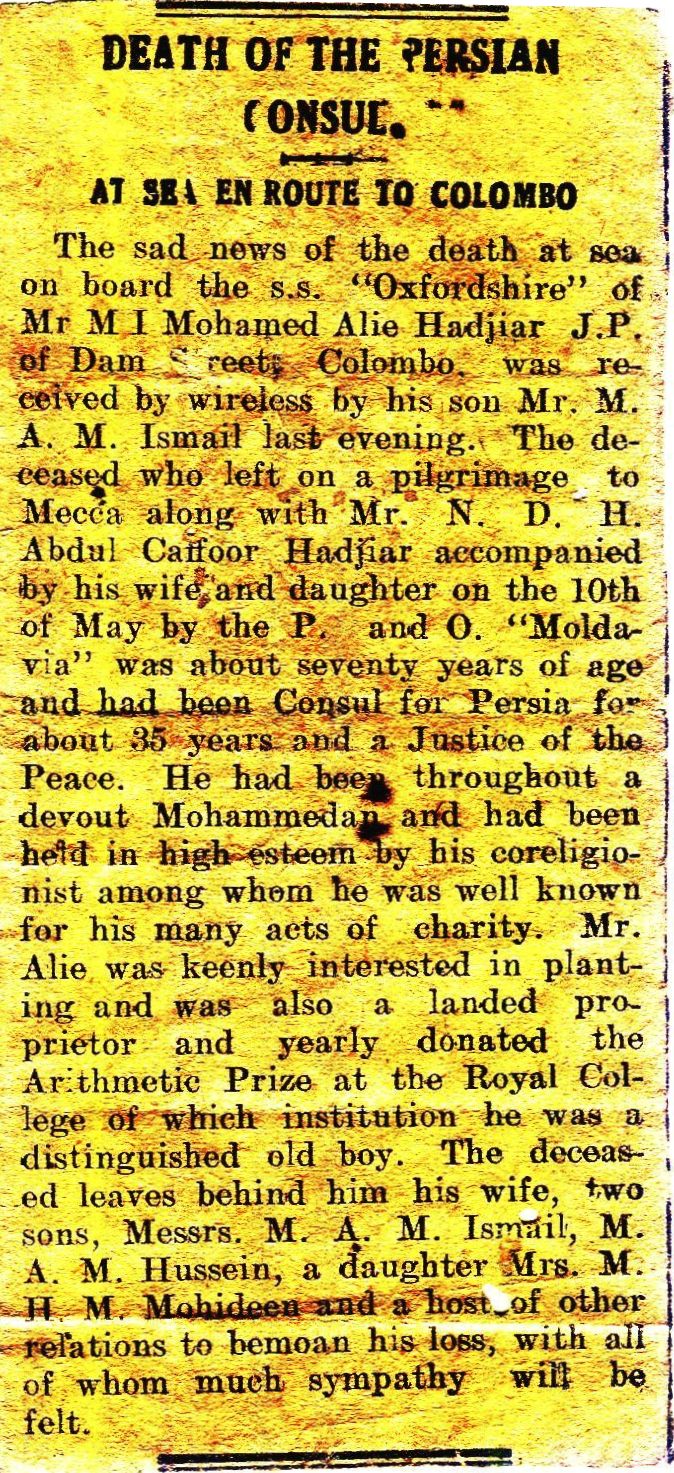
M.I. Mohamed Alie J.P. Alie’s Obituary
First Persian Vice-Consul in Ceylon

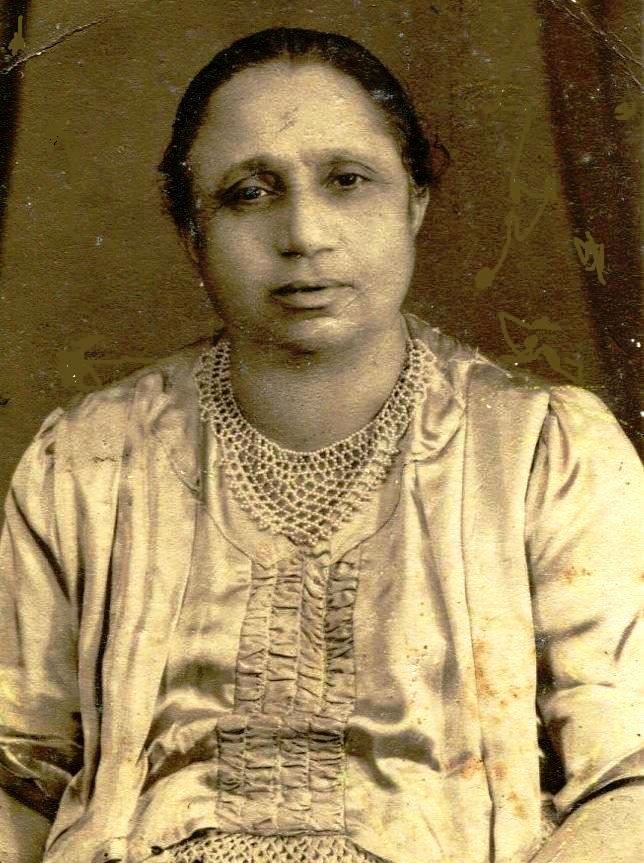

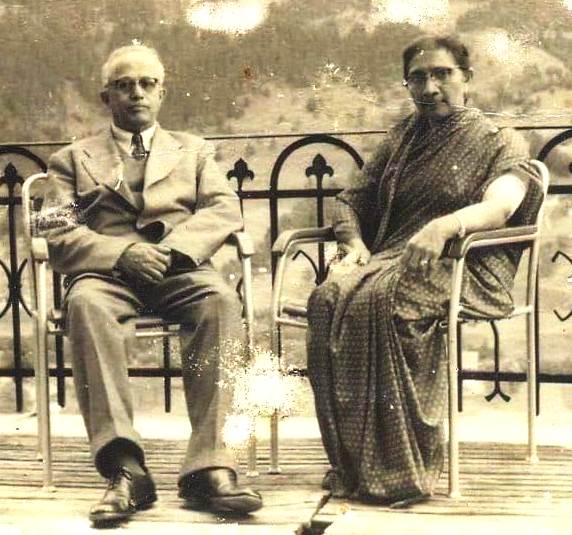
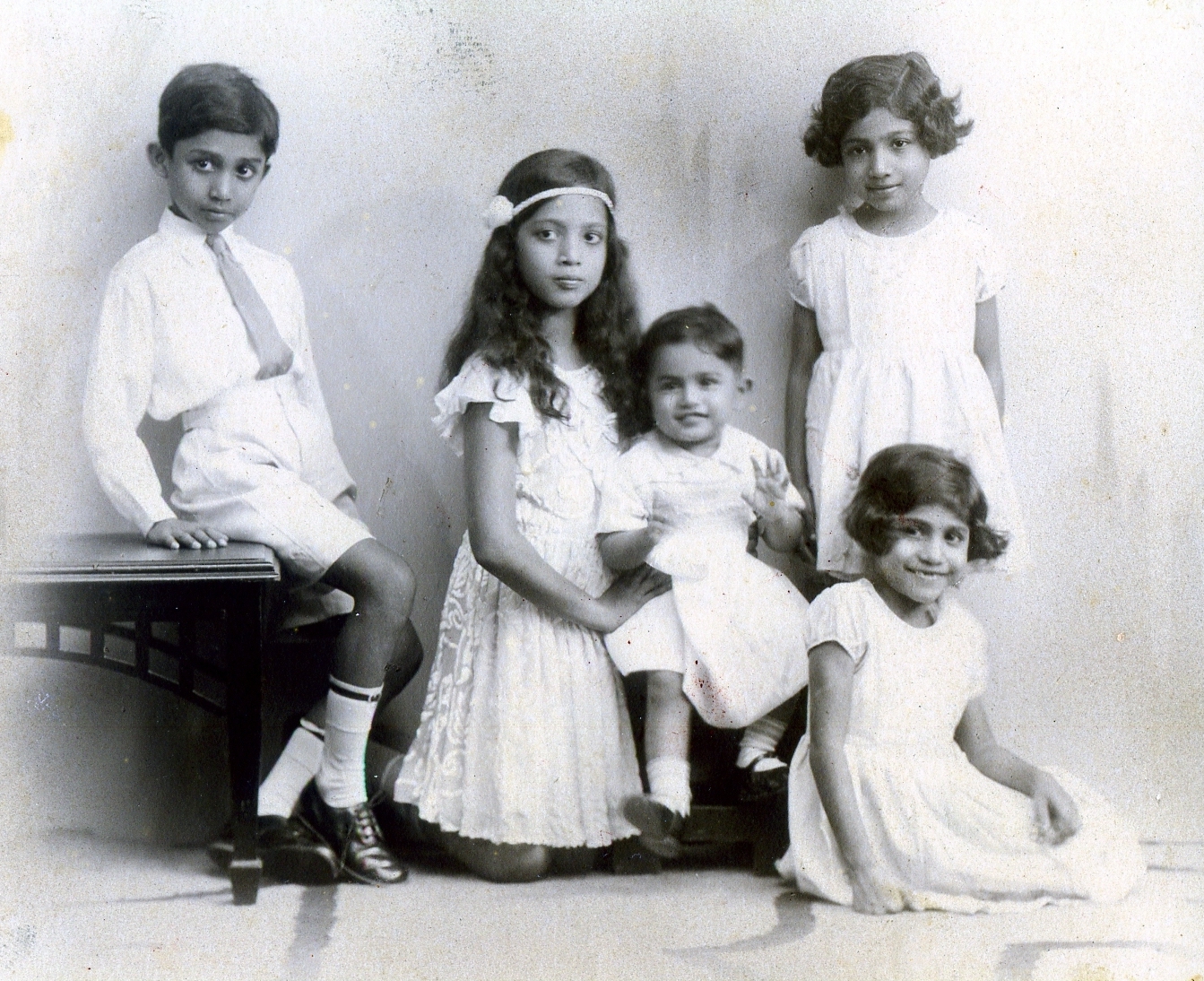
Mohamed Alie was an indulgent father of means, who in 1924 sent the princely sum of Rs. 48,000/- to his younger son M.A.M. Hussein, to purchase the rare and expensive 1924 Napier 40/50 Limousine by Cunard in England. In the same manner he gifted to his younger son Hussein, a land with St. Margaret’s French style villa in Colpetty in 1927. It stretched from Galle Road to the sea. Hussein demolished the villa and built a mansion which was completed in 1929, after Alie’s demise. It was named ‘Mumtaz Mahal’. The history appears in the article published in the Sunday Times of 7.11.1993.
The mansion Icicle Hall closeby was owned by N.D.H. Abdul Caffoor, Hussein’s father-in-law. He purchased this residence from the Chief Justice Sir Alfred George Lascelles. Abdul Caffoor passed away in November 1948. Then his eldest son Faleel as administarator of his father’s estate, negotiated with the United National Party Government who took over the property in lieu of death duties. The UNP used it as their headquarters and named it Sri Kotha. Later they razed the building to the ground and sold the property, and moved to Kotte.
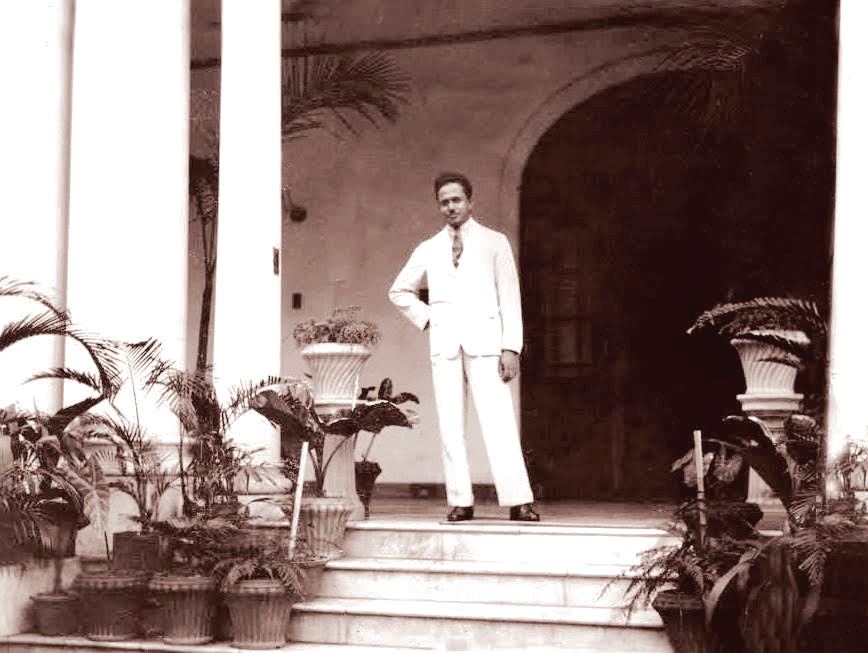
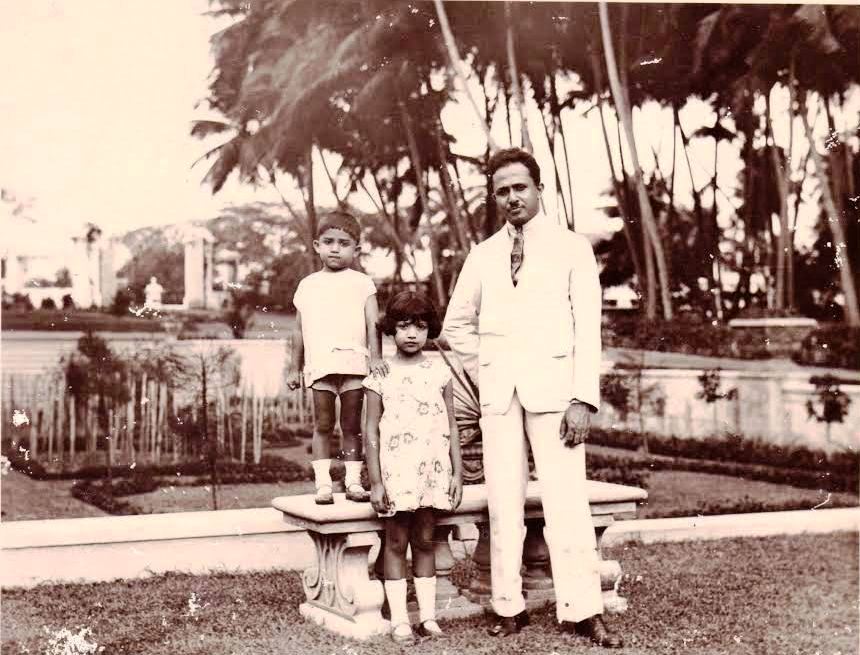
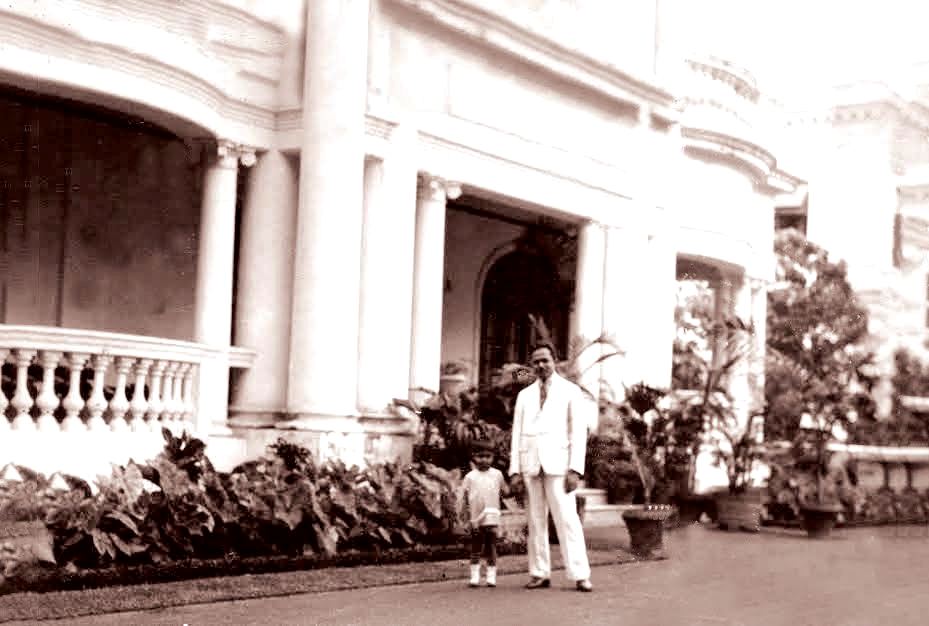
The Hussein family lived at Icicle Hall and moved to their new home ‘Mumtaz Mahal’. Some interesting photographs were obtained from past records which are reproduced.

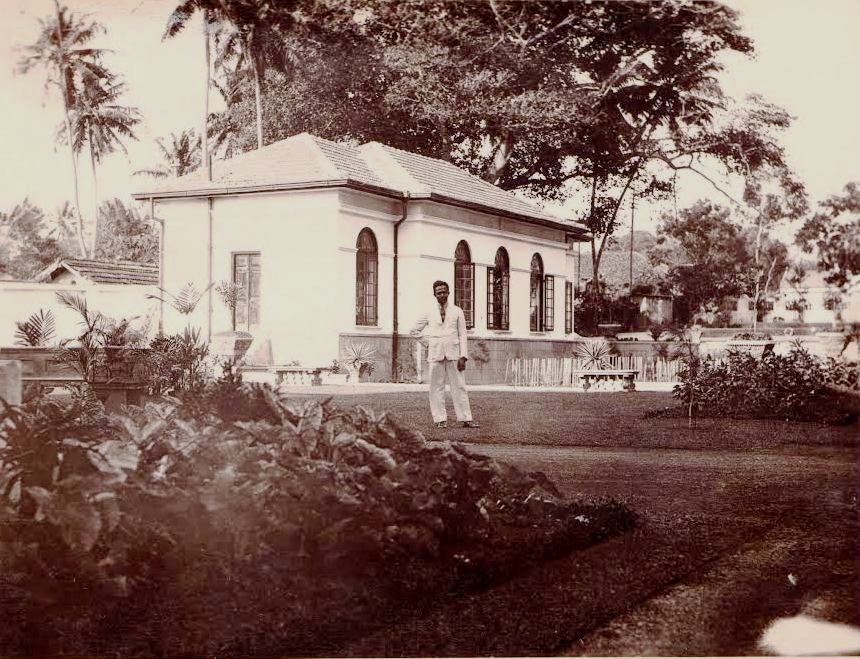
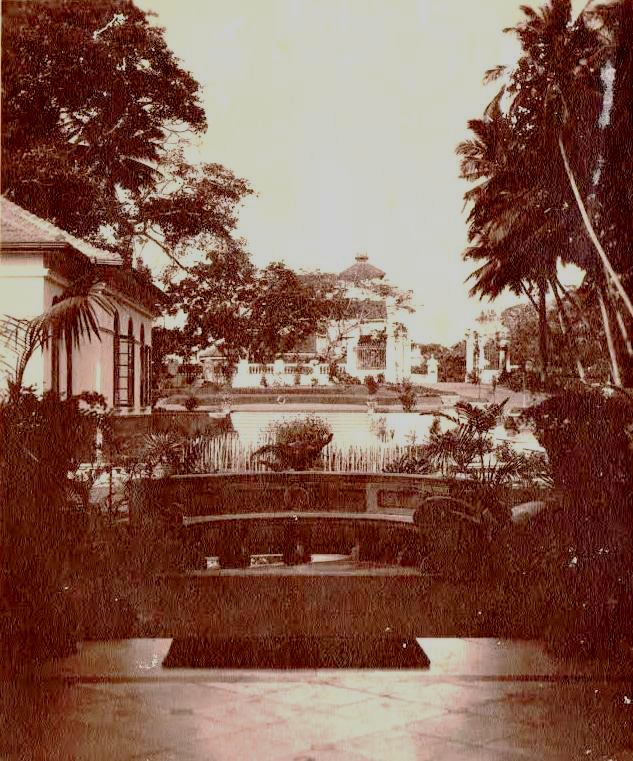
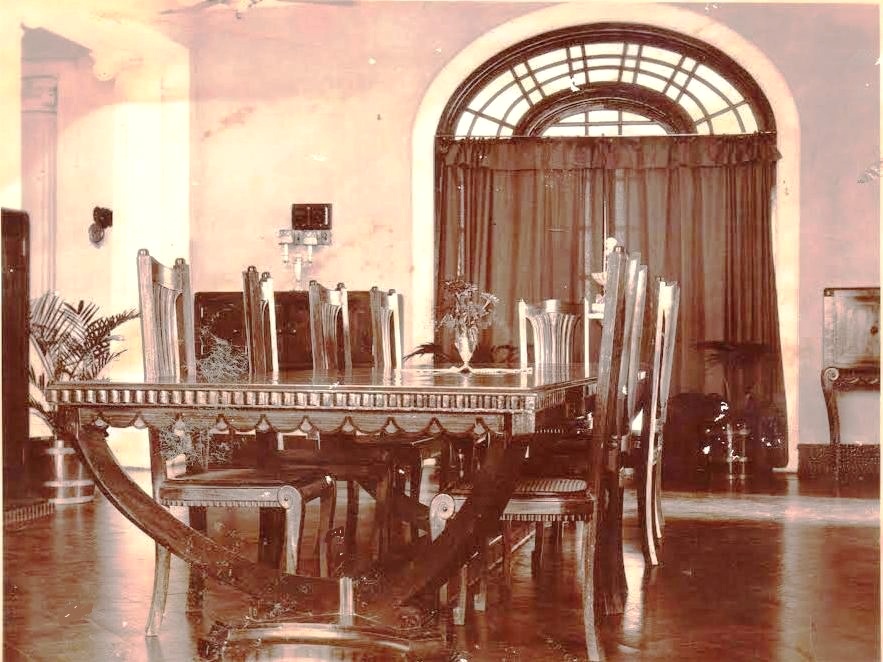
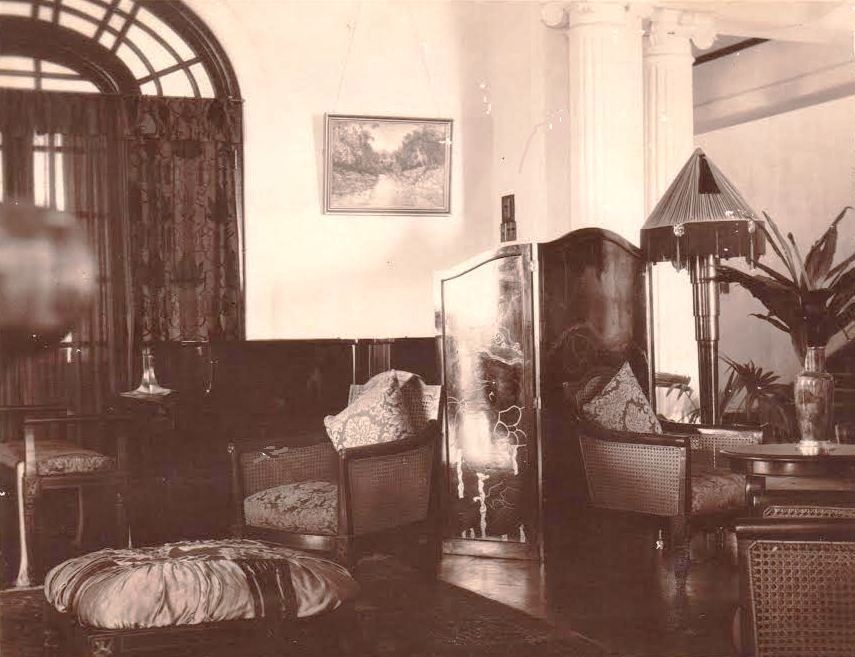
Dining Room Music Room
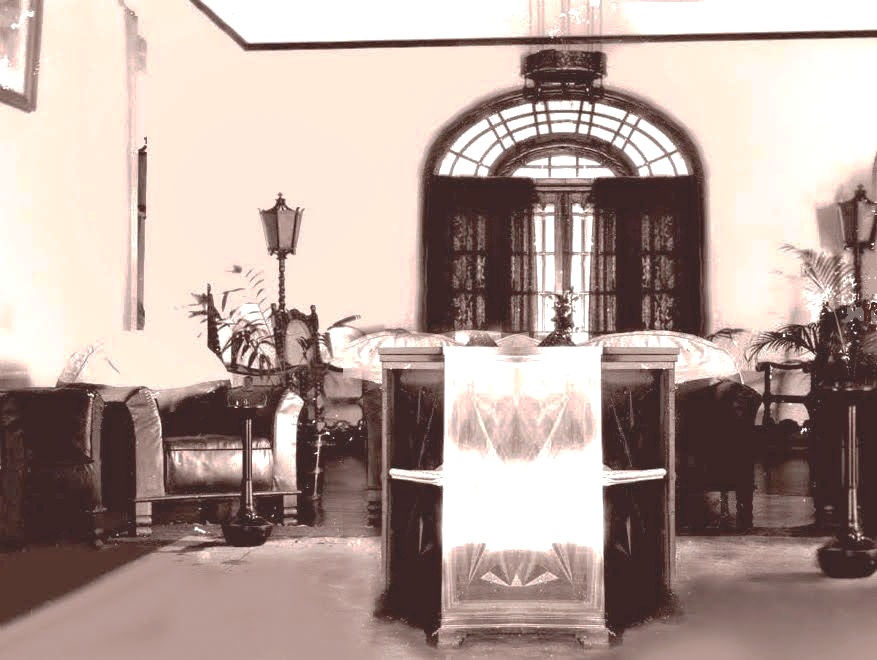
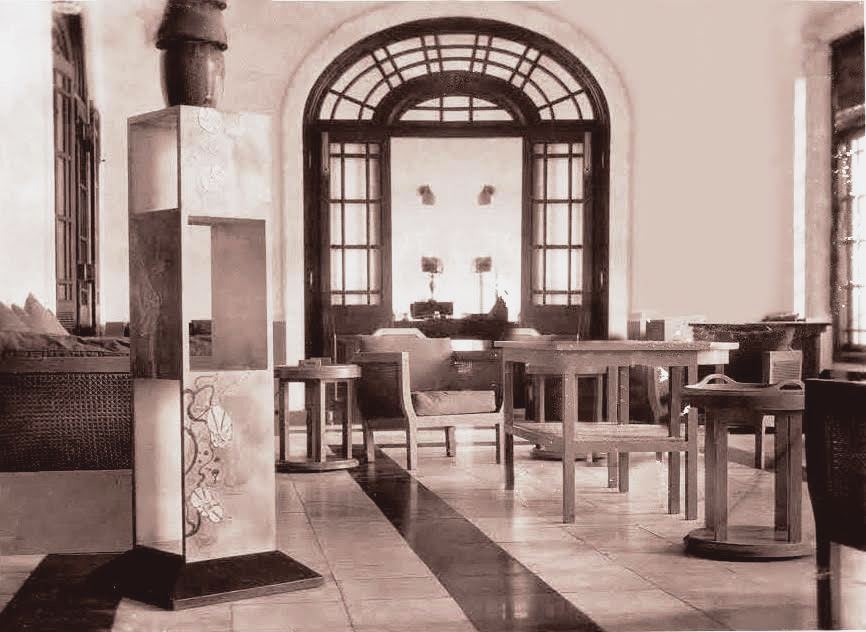
A Mansion called Mumtaz
reported in the Sunday Times of Ceylon Nov 7, 1993
under the section titled “Stately Homes” by Raine Wickramatunga and Renuka Sadananden
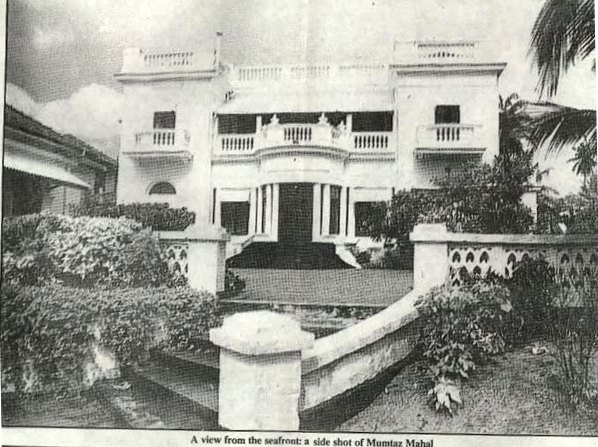
Since the dawn of independence in 1948, Mumtaz Mahal has gained eminence as the official residence of the Speakers of Sri Lanka’s Parliament. A tradition that began with the colorful figure of Sir Francis Molamure, the first Speaker of Independent Ceylon, is carried on today by present Speaker MH Mohamed, who, interestingly is a kinsman of the man who built this splendid dwelling by the sea.
Having been built in an era when colonial influence was strong economically, culturally, and politically, it comes as no surprise that Mumtaz Mahal, like many other mansions of the day, bore the stamp of British architecture. It was one Mohamed Ali Mohamed Hussain, a wealthy Muslim gentleman, who commissioned a promising young architect, Homi Billimoria, to create the elegant home he envisioned. Blending the luxurious lines of a Mediterranean villa with classic British, Billimoria completed the task and the mansion was later embellished with fine furniture created by French nobleman, Count De Mauny. The Count, who at that time had purchased an island off Weligama Bay, gained a reputation in Ceylon as a fine landscape artist, and Mohamed Hussain, recognizing his skills engaged him to lay out the lawns and sunken gardens of Mumtaz Mahal.
In her book, “Sri Lanka through French Eyes”, historian Lorna Devarajah, writes of Count De Mauny, “Count De Mauny gained a reputation in Sri Lanka after the beautiful garden he created in the island. His next love was furniture and he gained inspiration for French models, mainly Nedun inlaid with Ebony, Sandalwood, Satinwood, Tamarind and Calamander. He stamped the furniture he designed with his initial M surrounded by nine little circles.”
To embark on the building of Mumtaz Mahal, Mohamed Hussain had to first demolish St. Margaret’s French-style villa, bequeathed to him by his father Mohamed Ali. This he did much against the wishes of his wife Ayesha, who, it is said was a moderating influence on her easy-going husband.
The house was completed in 1929, and the family who had been resident in the neighboring “Icicle Hall” (later demolished to make way for Sri Kotha) moved in.
It was a family friend, lawyer Sri Nissanka who came up with the name that still endures. The friends were once strolling in the terraced gardens of the newly constructed house when Mohamed Hussain, turning to his friend, asked him whether he could suggest a name for the house. “What is the name of your youngest daughter?” Sri Nissanka queried, and on being told that it was Mumtaz, he replied, “Why not call it Mumtaz Mahal? After all Shah Jehan, whose wife was also Mumtaz named his monument Taj Mahal.”
For the next few years, the family lived a life of leisure and abundance. The four elder Hussain children, Badri, Mahdi, Alavi & Mumtaz, were drilled in their lessons by an English governess, Violet Bell, who lived with the family for several years. Another son, Ali, was born later. Palmy days they were, recalls Mahdi, elder son of Mohamed Hussain and Ayesha.
“My father was essentially a product of the inter-war generation”, he says. A scion of one of the wealthiest Muslim families in Colombo society, Mohamed Hussain had the added advantage of an indulgent father who lavished every luxury upon his son. As a young man, Mohamed Hussain travelled frequently in the continent, and developed a special fondness for Paris and the Riviera. On his travels, however, he was seldom accompanied by his home-loving wife who considered it her duty to be with her children at all times. It is, however, a reflection of her quiet strength of character that she undertook the Haj Pilgrimage, a rough journey in the 1920’s, making the trip from Jeddah to Makkah across the desert sands on camel back.
Mohamed Hussain’s son remembers his father as a man who had an eye for all things beautiful and a highly developed aesthetic sense. He would return from his travels bearing as hand-picked collection of art pieces, and one in particular was an exquisite statue of Joan of Arc bearing a lamp which was placed on the banister at the foot of the staircase at Mumtaz Mahal.
Mohamed Hussain’s collector’s passion extended to sleek limousines and the Napiers, Minervas, and Auburns of the early days gradually gave way to flashier Cadillacs and custom-made Chryslers.
Although not given to literary pursuits himself, Mohamed Hussain, nevertheless set his children on a good academic footing. Once, he even purchased the entire library of French books at Adisham, Haputale from its owner, Sir Thomas Villiers, to encourage his son Mahdi.
Mahdi also recalls childhood memories of his maternal uncles, Faleel and Yusuf Caffoor, cantering up the drive to Mumtaz Mahal on their polo ponies and even attempting to ride them up the steps of the house, much to their sisters disapproval.
“We children were however delighted and would rush to greet them with lumps of sugar and carrots for the ponies”, he says.
When the Great Depression of the 1920’s ravaged Europe, its effects were even felt in far away Ceylon, and many families – the Hussains among them – saw their fortunes decline. Soon the family moved back to Icicle Hall and Mumtaz Mahal was leased to the French Consul. Successive French Consuls made this their official residence until World War II when the Vichy Government took over power in France in 1941 and recalled its envoys. The last Consul, Morand, is still remembered by family members with wry humor. Morand’s dogs, it seems – much to Mohamed Hussains chagrin, mauled his prized Persian carpets.
Thereafter, Mumtaz Mahal was requisitioned by the British Government for Admiral Layton, chief commander of the South East Asian Forces in Colombo, who lived there until the end of the War.
It was then that a new chapter in the history of Mumtaz Mahal began. It happened when Sir Francis Molamure proposed to his friend Mohamed Hussain that he let the Government acquire Mumtaz Mahal together with its furniture – to be used as the Speaker’s official residence. And so it was that the first Speaker of Independent Ceylon, Sir Francis Molamure, came to live at Mumtaz Mahal.
Sir Francis too had grandiose plans for Mumtaz Mahal, says present caretaker Sunil Dassanayake, whose father, Podi Appuhamy Dassanayake, served as caretaker from 1948 to 1977. He laid the foundation for a swimming pool on a side lawn but for reasons unknown this was never accomplished.
Sir Francis, however, made full use of the existing billiard room, like Mohamed Hussain before him. Interestingly, the billiard room, came complete with a hatch, used for delivering food from the kitchens. Not wishing to offend Muslim sensibilities, however, Mohamed Hussain had the billiard room built as a separate section adjacent to the main house.
Since then, many eminent Sri lankan Speakers have used this as their official residence. They were Sir Albert Pieris, HS Ismail, TB Subasinghe, RS Pelpola, Hugh Fernando, Shirley Corea, Stanley Tillekaratne, Anandatissa de Alwis, Bakeer Markar, EL Senanayake and MH Mohamed.
For Mr. Mohamed, it has been a happy homecoming of sorts. Being a close relative of both the Abdul Caffoor (Ayesha’s parents) and the Hussain families, Mr Mohamed, upon assuming office, hosted a reception to his kinsfolk who all had a sentimental link with the house.
Forty five years later, Mumtaz Mahal is still the grand old house of Mohamed Hussain’s dreams. Still a landmark in Colombo with its tall wrought iron gates, its white wall facade is visible to the passerby on the busy Galle Road.
For the Hussain family, whose life at Mumtaz Mahal was all too brief, the house, nevertheless, evokes many happy mories.
In 1948 ‘Mumtaz Mahal’ was acquired by the Government to be used as the official residence of the Speaker of Parliament.
In 2001 a new Speaker’s residence was built in close proximity to the new parliamentary complex at Sri Jayawardenapura, Kotte, and ‘Mumtaz Mahal’ became vacant and its decline commenced, as they say in Sinhala slang going down the pallang. The upper floor was used as the residence for the Secretary General of Parliament and the ground floor was used for the Constitutional Council and the Fiscal Ombudsman, until it was taken over by the Buddhist and Pali University. It became heavily dilapidated with most of its original fittings and furniture either stolen, lost or destroyed (from Wikipedia).
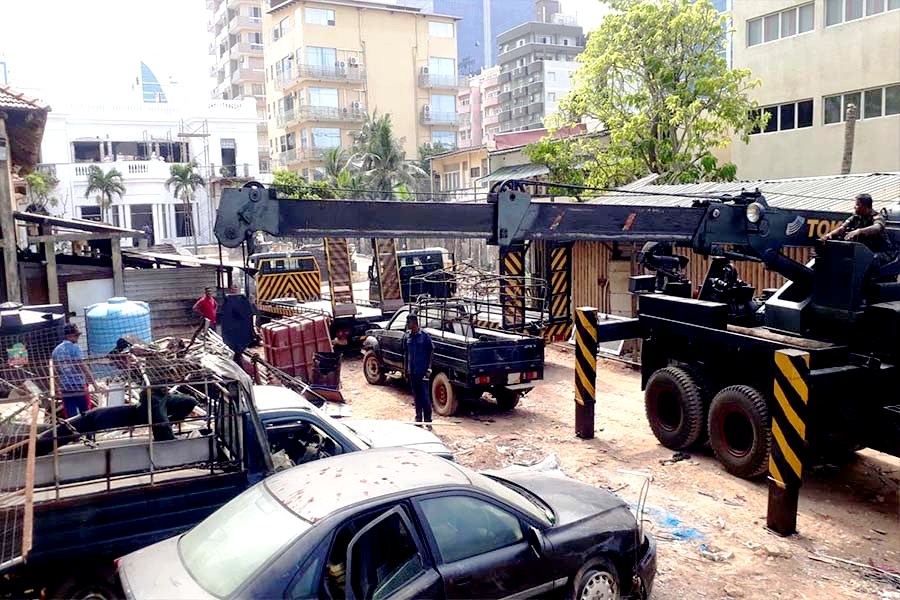
The premises of the mansion was in a thoroughly neglected state and was a junk yard. It was an eyesore and distressing to see the state of the property. The building was also in a pathetic state.
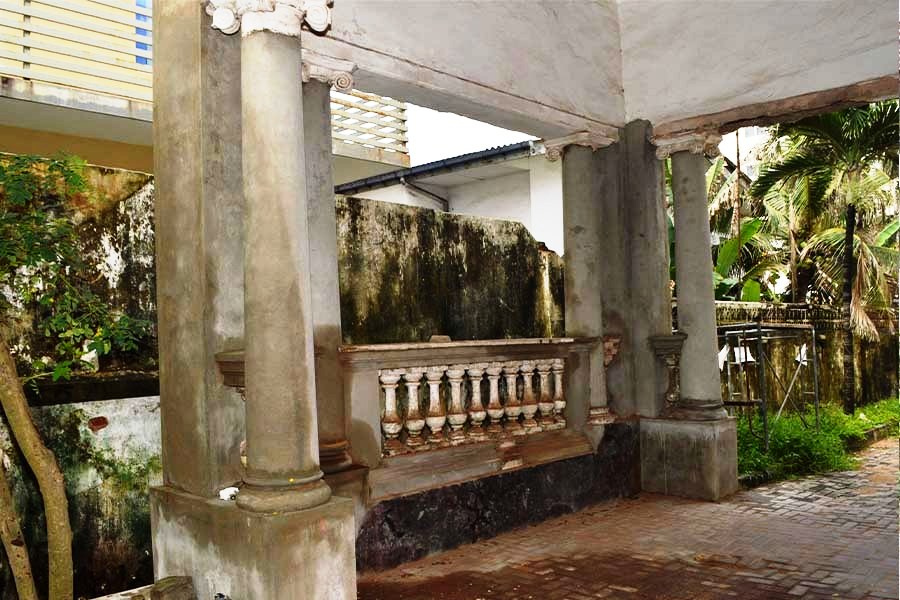
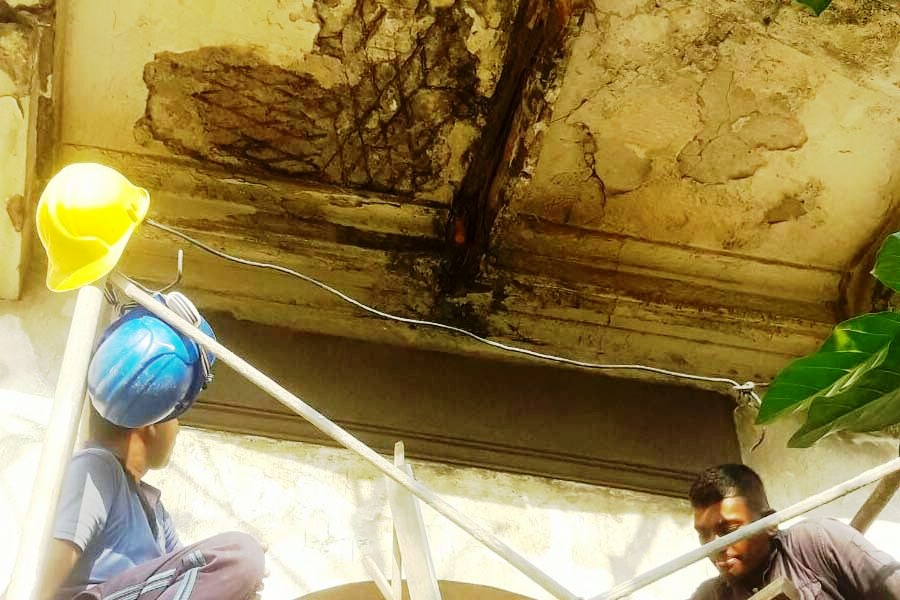
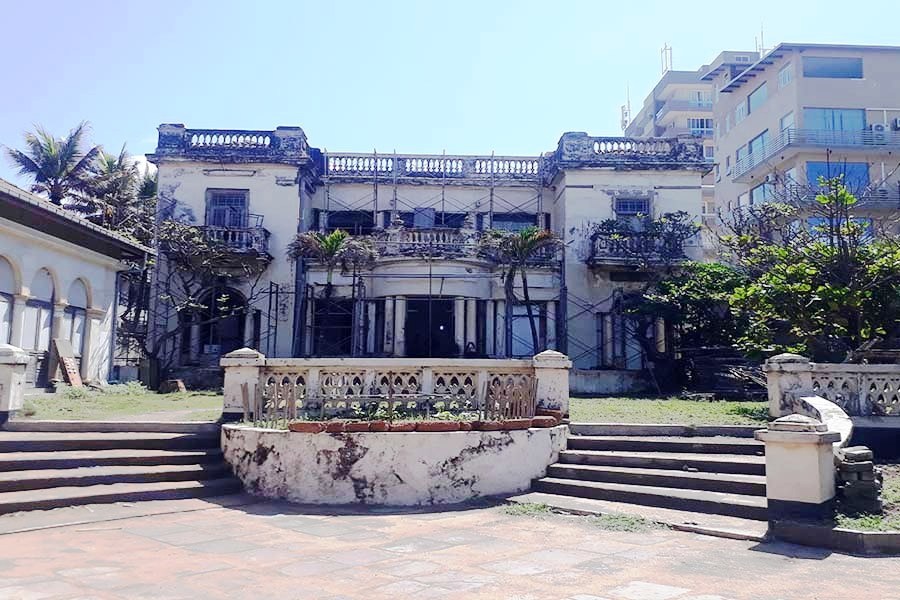
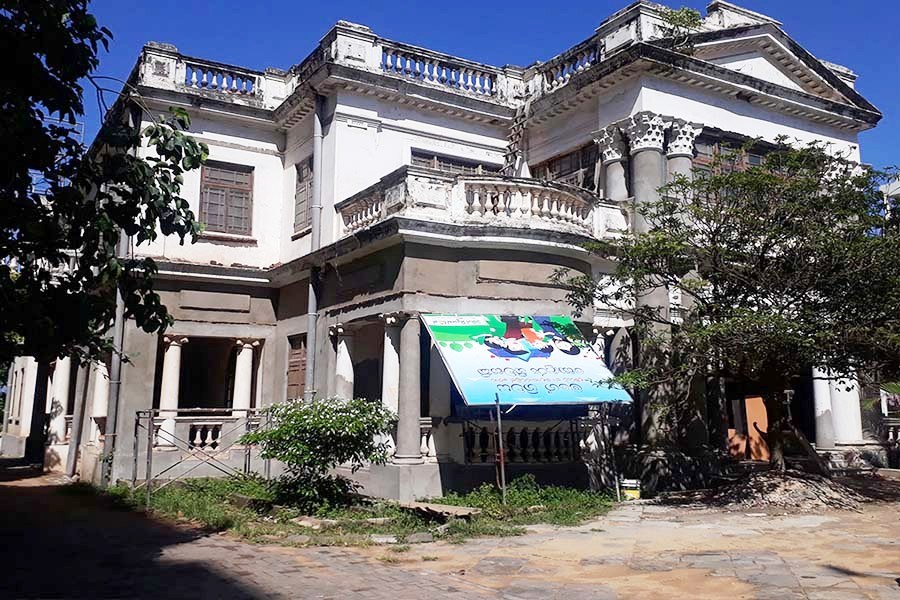
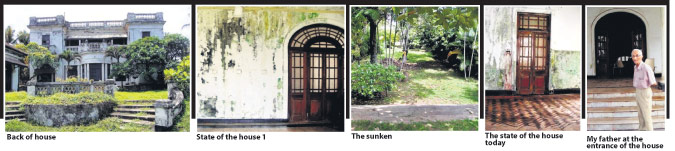
In 2012, soon after the Buddhist and Pali University moved out, Mahdi Hussein, his daughter Ameena and her husband Sam visited ‘Mumtaz Mahal’ accompanied by the architect assigned to convert the mansion to a museum. Some original furniture and fittings were still there. The buildings and the well laid out garden were in a pathetic state, as seen in the following photos.
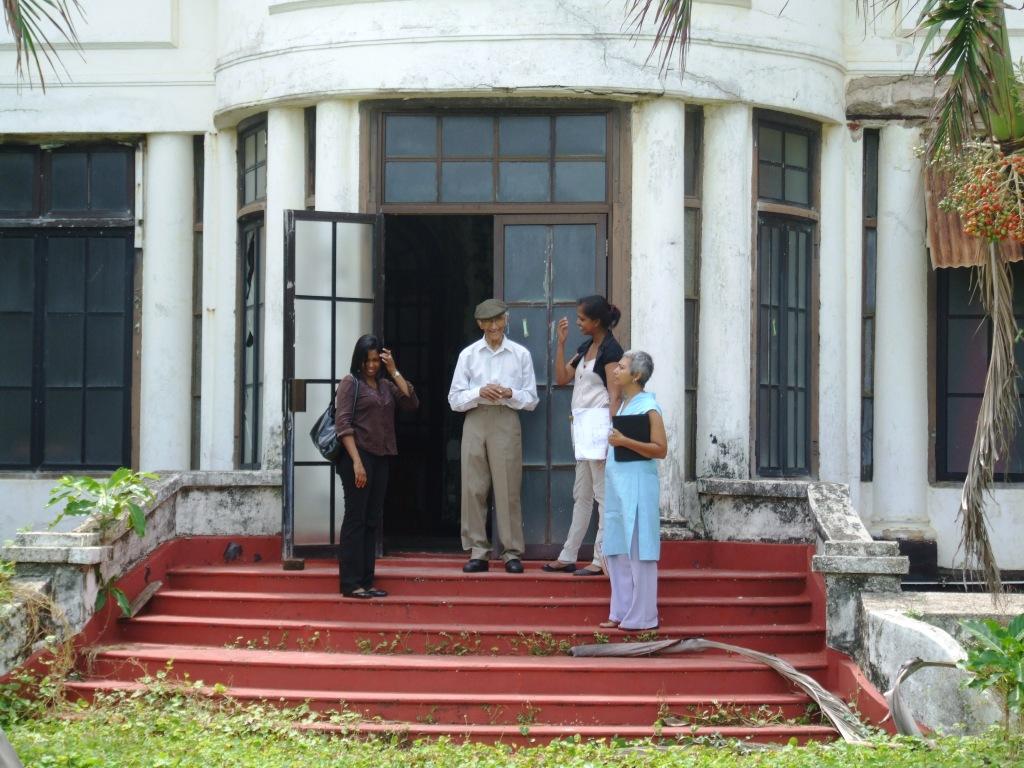

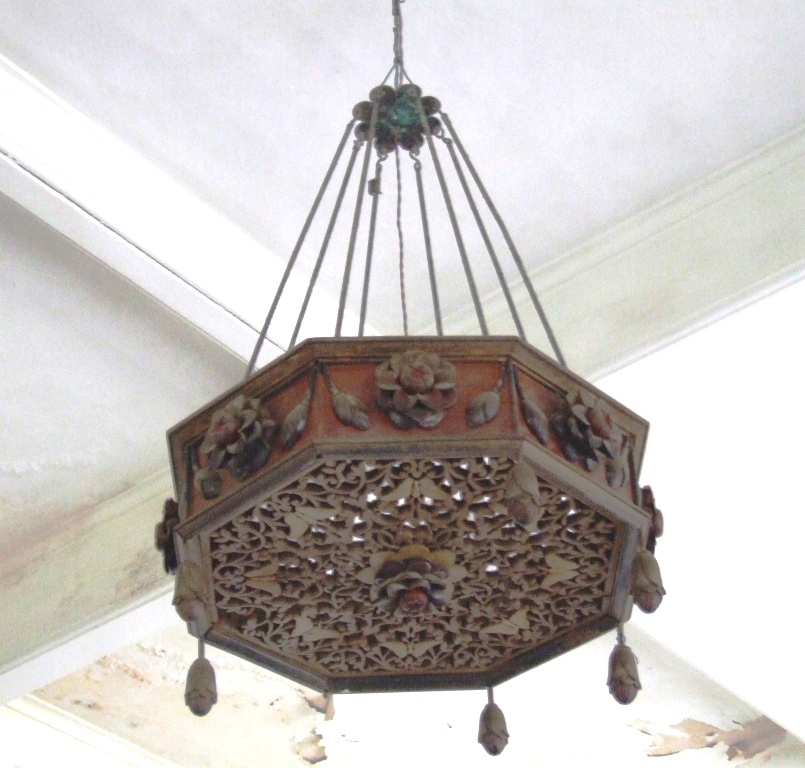


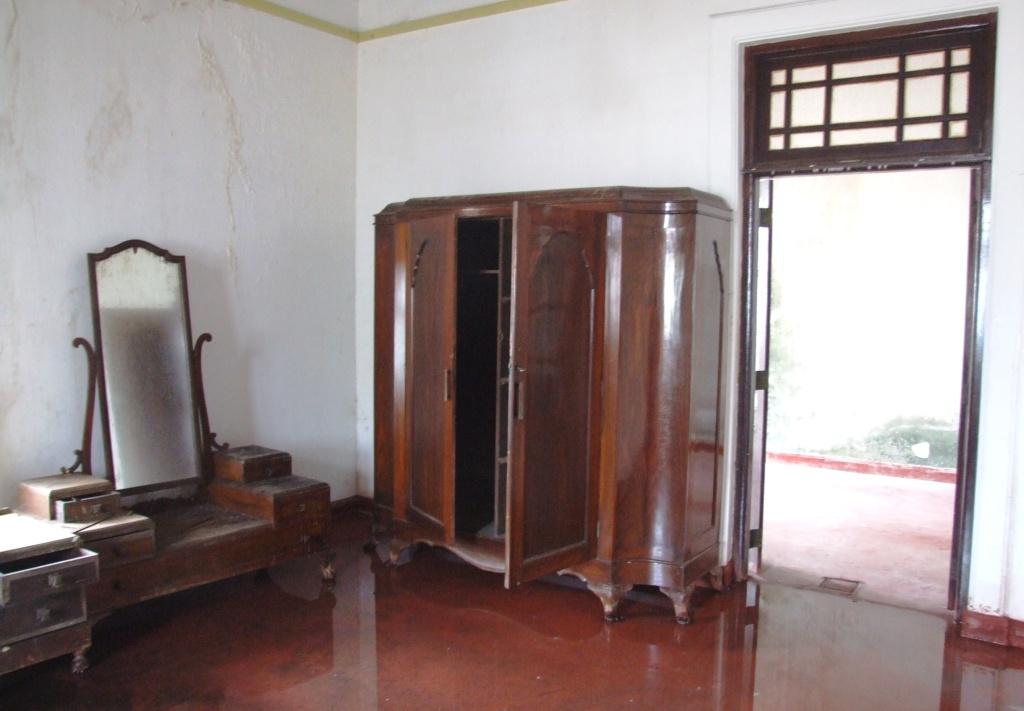
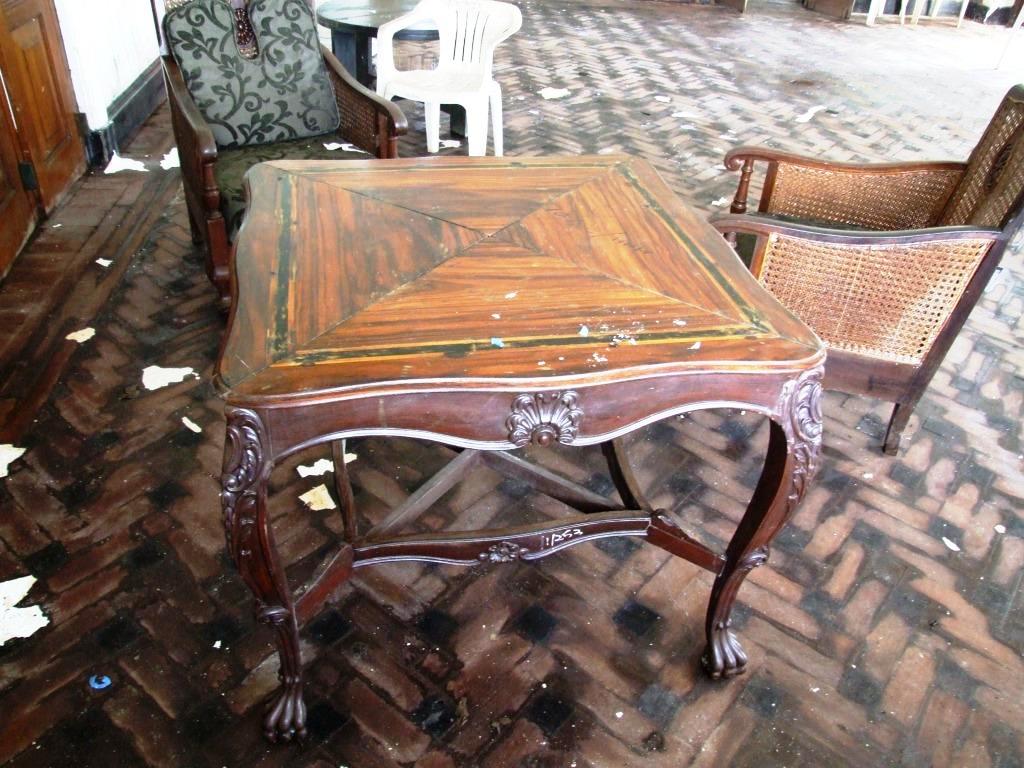
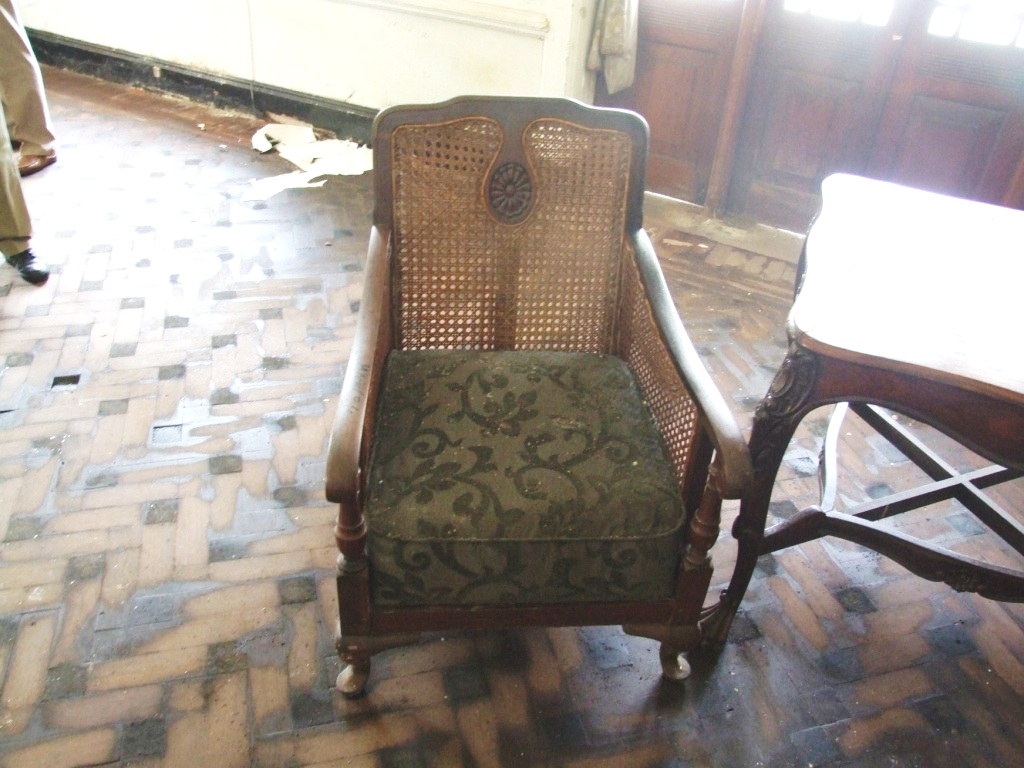
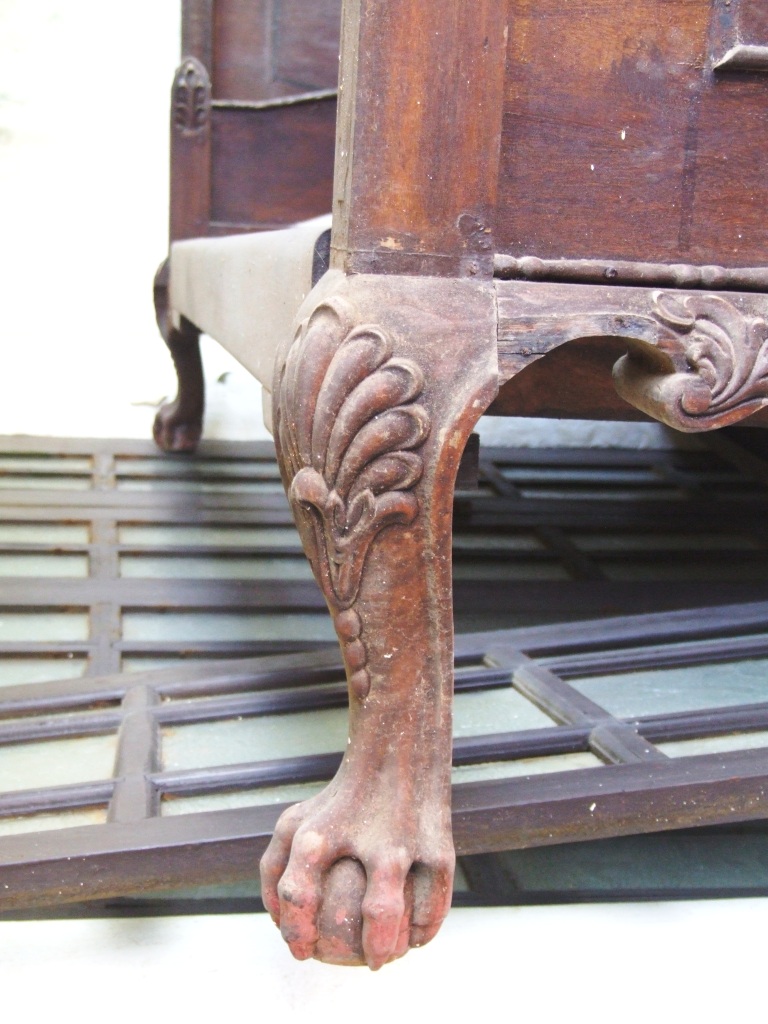

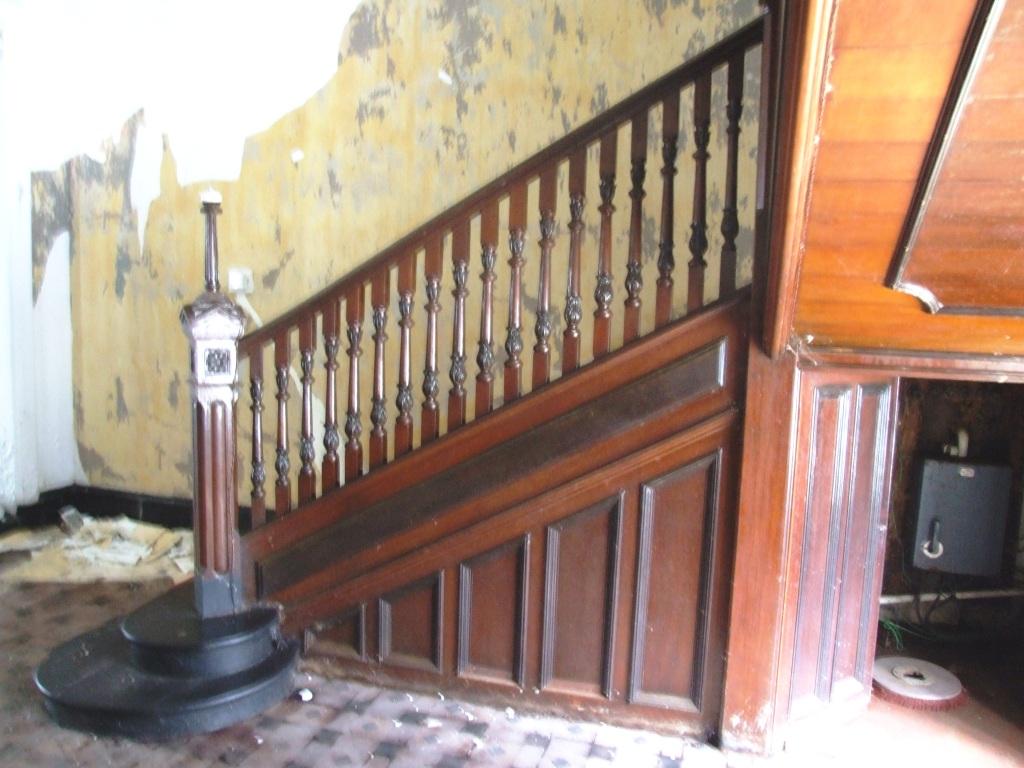

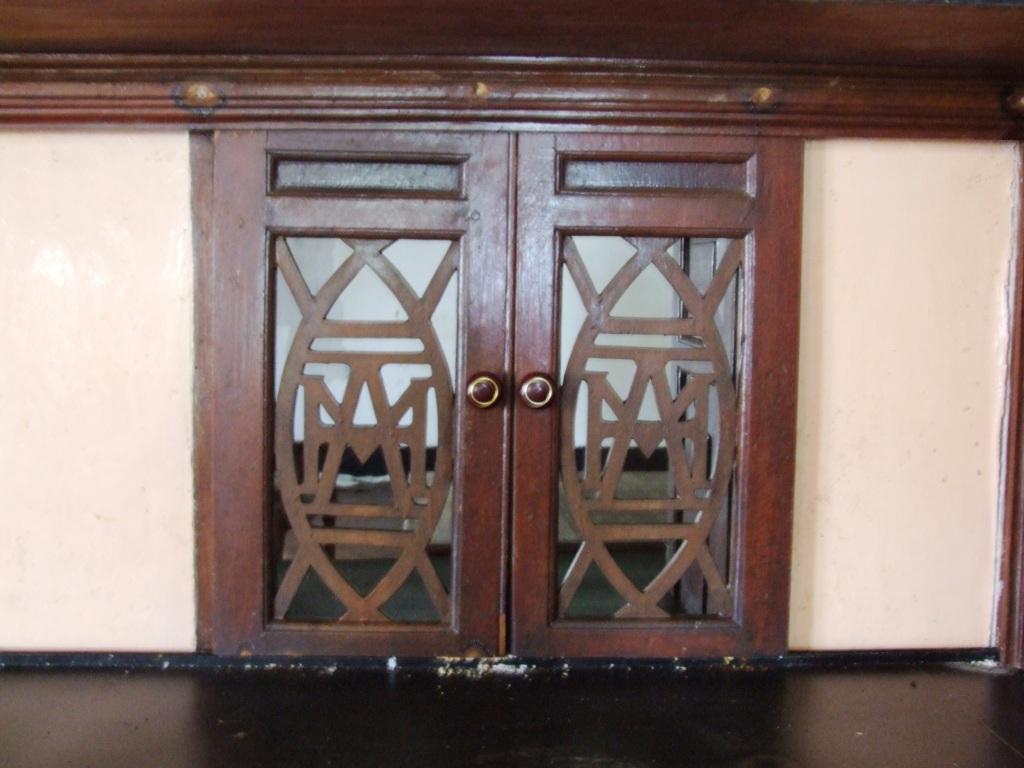
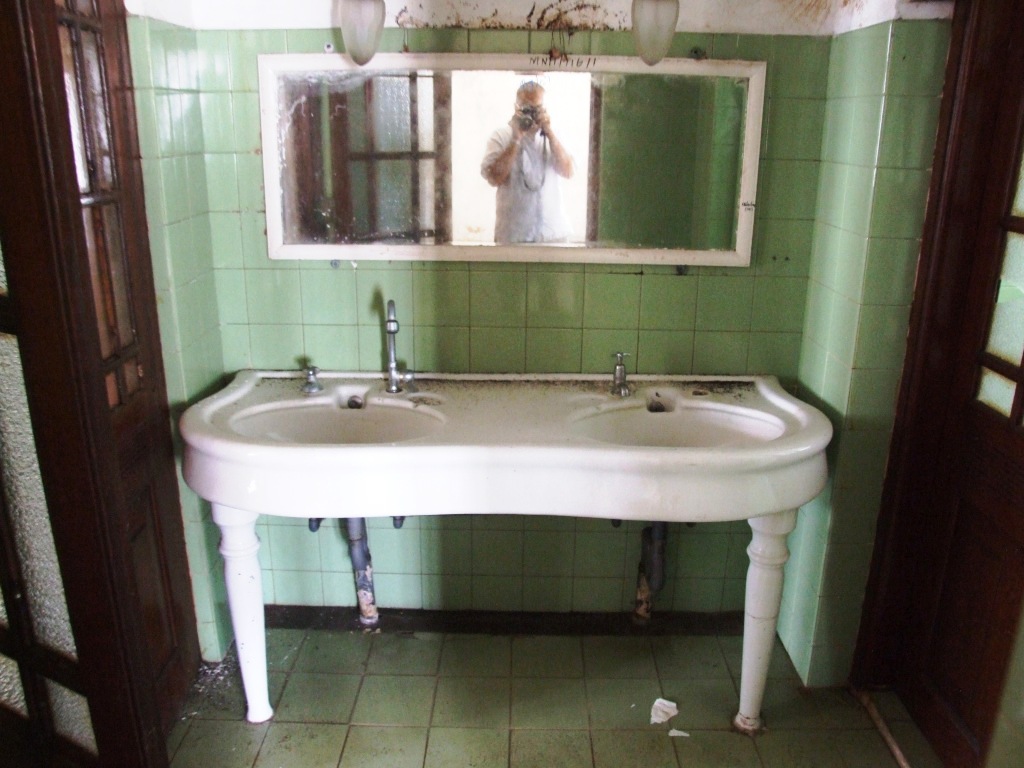
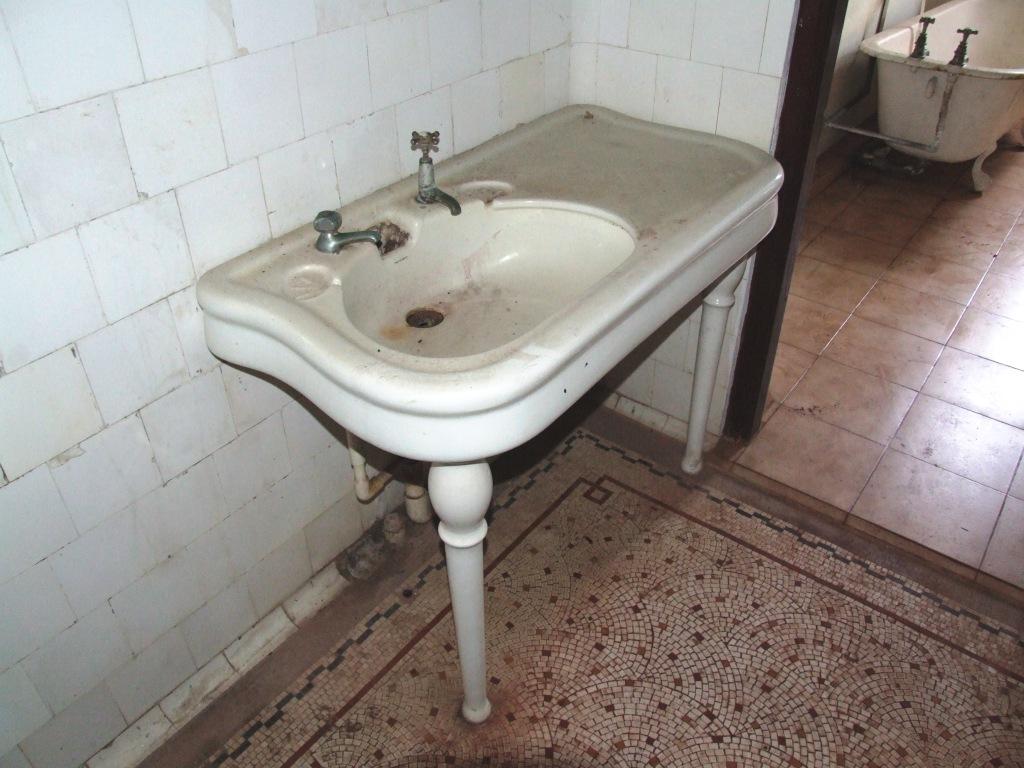


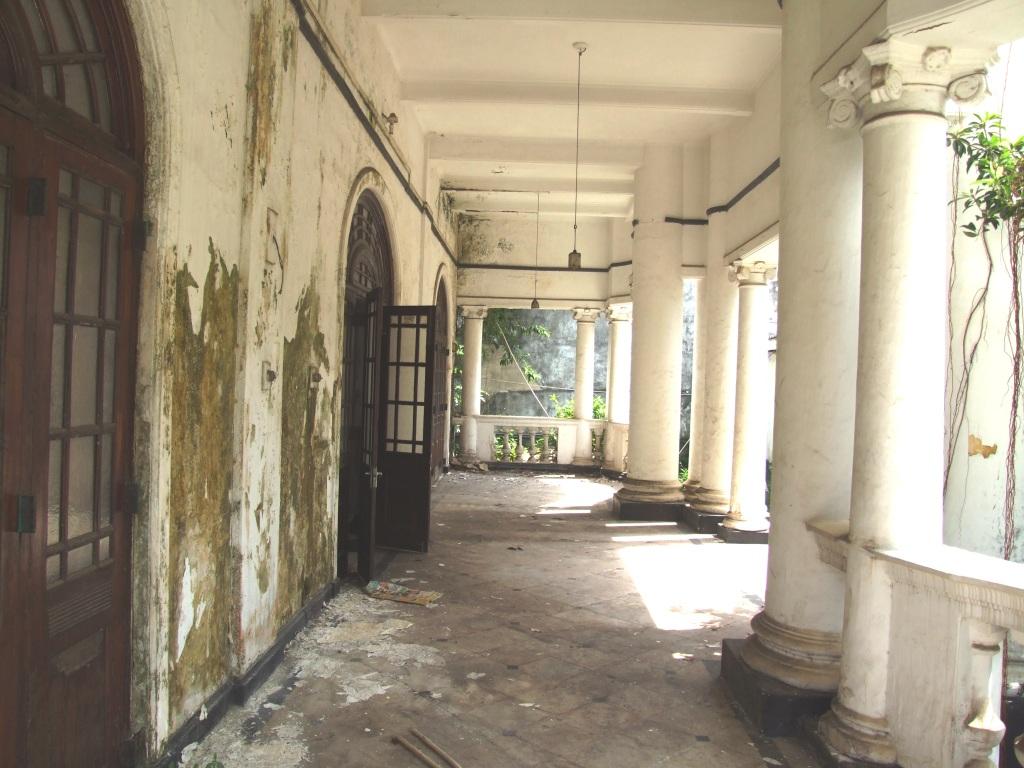
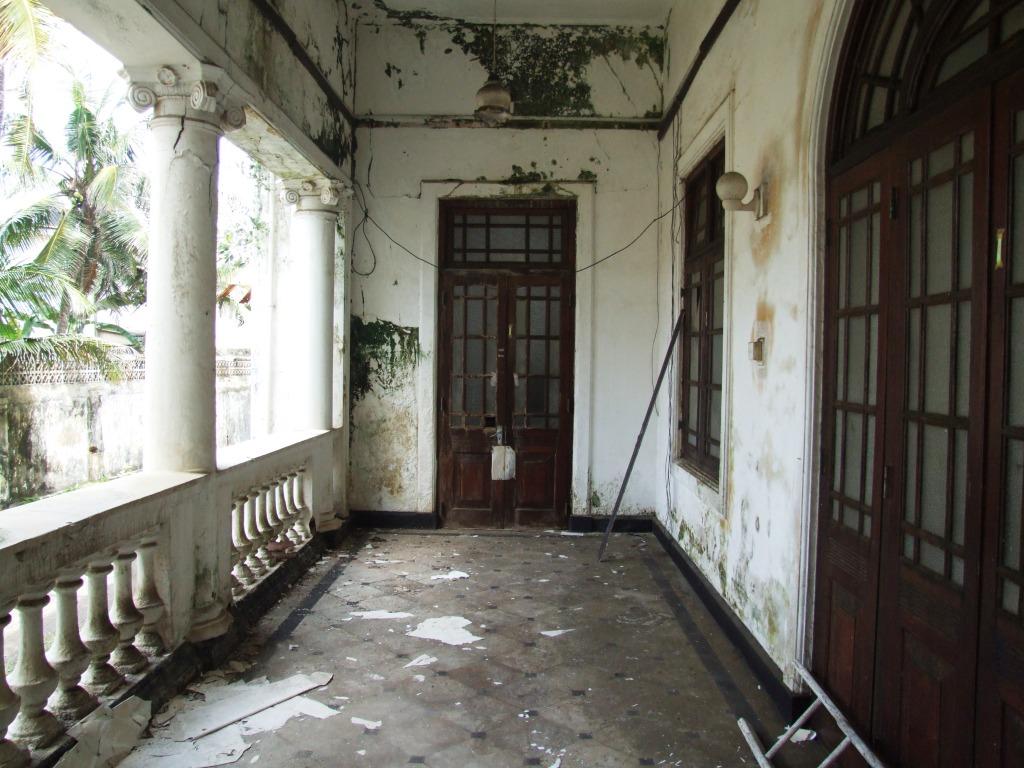
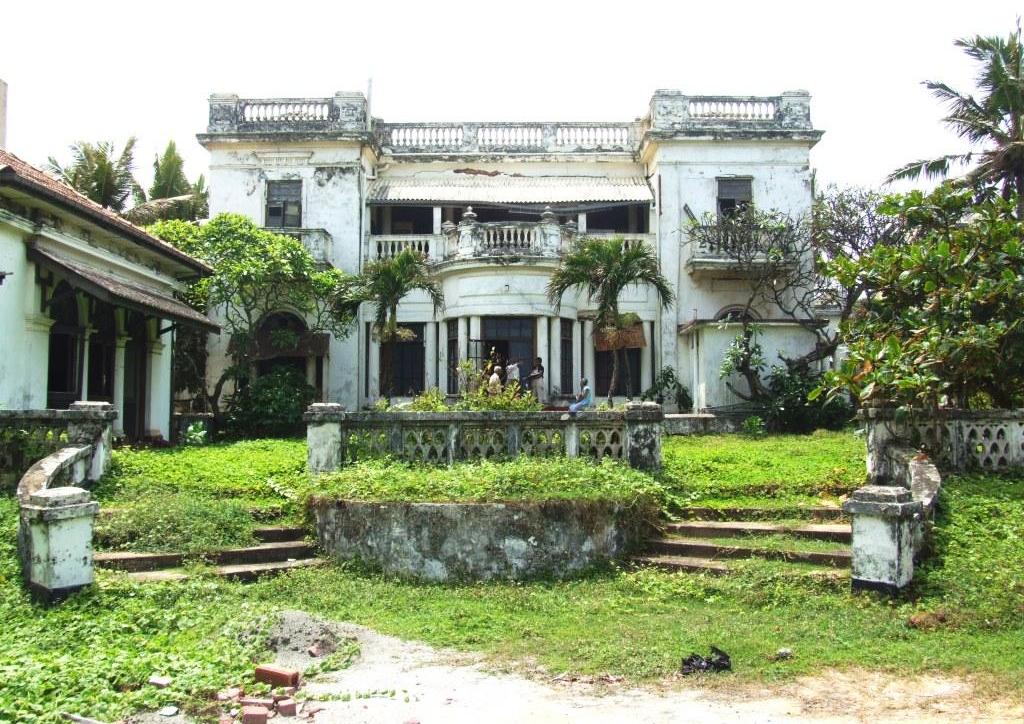
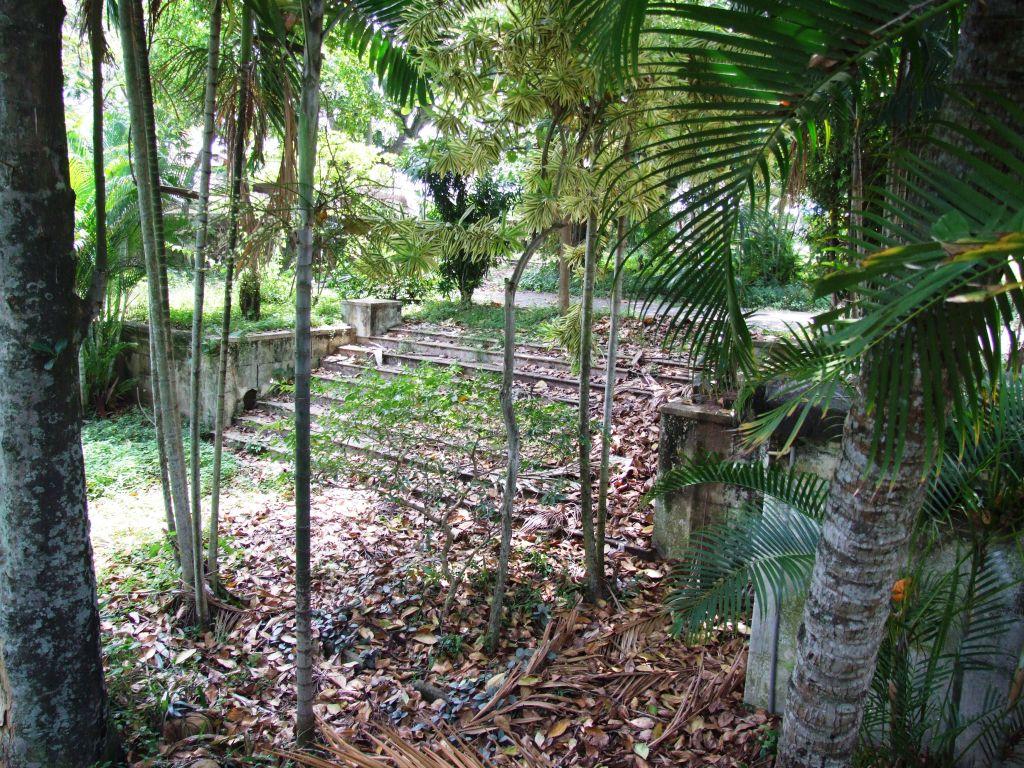
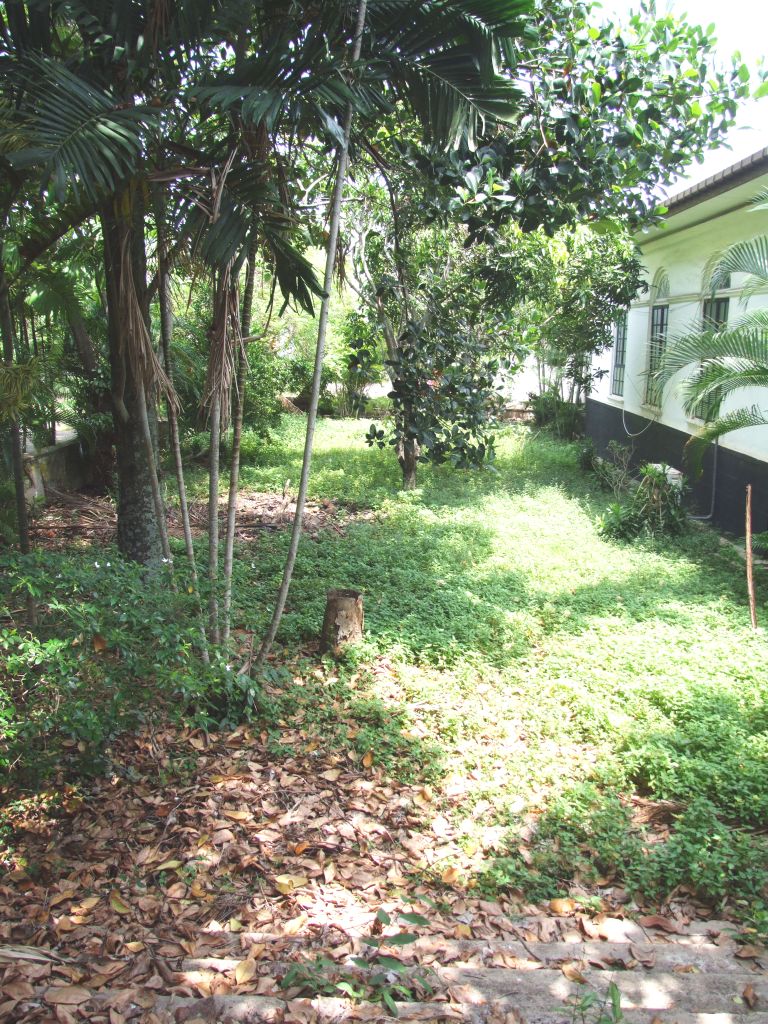
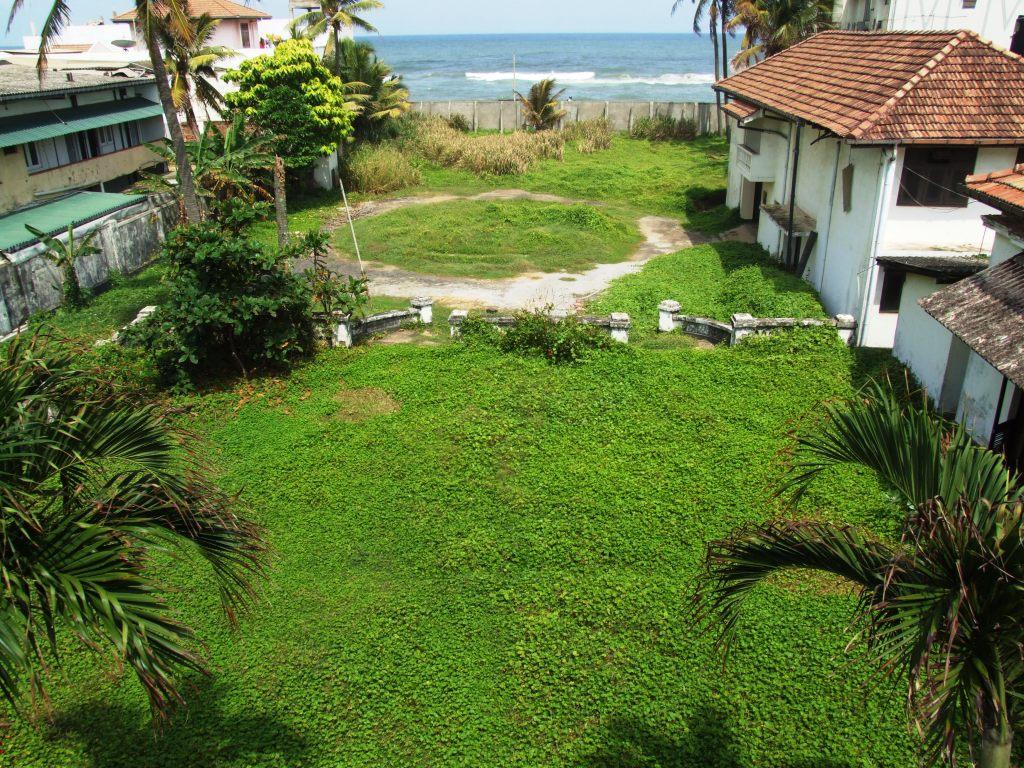
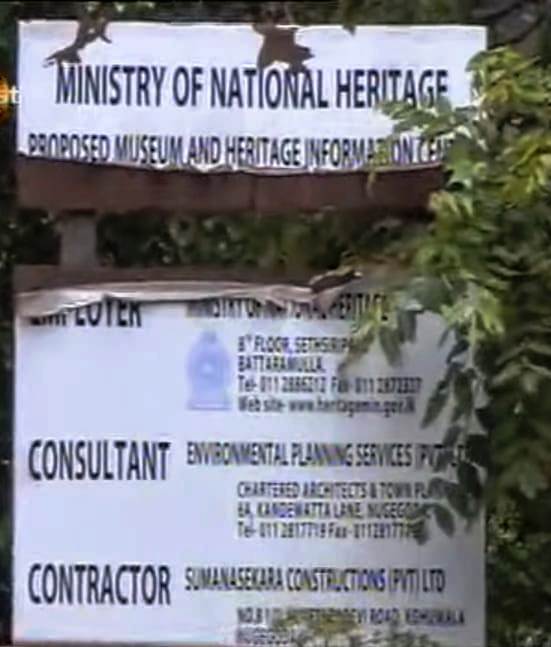
In 2013, the National Heritage Ministry took over the property and started renovating the mansion to be converted to a museum with grandiose ideas. The President Mahinda Rajapakse released a large sum for the project. The article in the Daily Mirror of 28.6.2013 gave a full account of the proposals. But the project fell by the wayside due to political changes. The renovations were not completed and left as they were.
Mahinda Rajapakse lost the Presidential election in 2015. Few months later, quite suddenly, rather discreetly, it was discovered that a large number of luxury vehicles were parked in the premises of ‘Mumtaz Mahal’. The vehicles were all in a neglected state with parts missing. They were used in Government institutions by the previous regime. They were mysteriously removed later and their fate was not known, though many rumours were floating around.
On many occasions while travelling on Marine Drive I was very sad to see the imposing seaside end of the mansion in a badly neglected state. The garden was full of junk. From the Galle Road end too I saw the neglected property. The photos reveal its state. I could not foresee the fate of the property, and felt that it would be demolished and high rise buildings would be built. This was the fate of many historic mansions in Colombo and elsewhere. High rise buildings were seen on either side of ‘Mumtaz Mahal’.
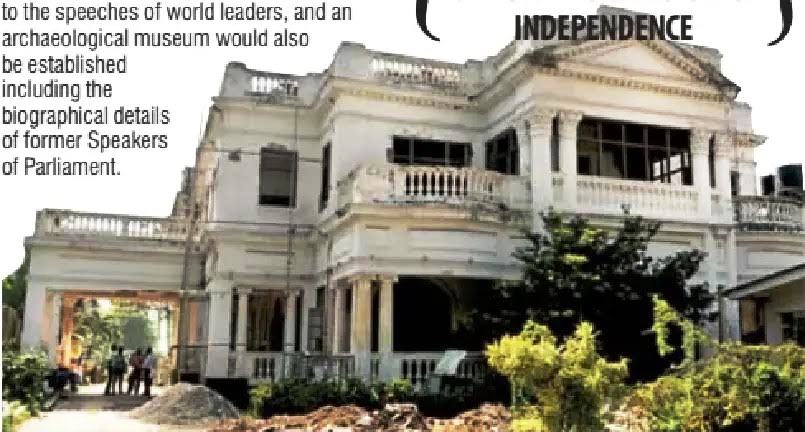
Mumtaz Mahal to turn into Museum – Daily Mirror (Sri Lanka)
BY LAHIRU POTHMULLA
28 May 2013
The former official residence of Speakers of Parliament, Mumtaz Mahal at Galle Road, Kollupitiya was to be renovated and converted to a museum, the National Heritage Ministry said yesterday.
The Ministry stated that a picture gallery, an audio gallery and the Western Province Archaeological Museum was to be established in the building.
Rs. 106 million has been released to the project under a directive by President Mahinda Rajapaksa and construction work is being monitored by the National Heritage Ministry.
Mumtaz Mahal was the traditional Speakers’ Official Residence since Independence before the present Speaker’s Residence was established by the Diyawanna Oya, in proximity to the Parliament. The house was built in 1948 as the official house of the first Speaker of Parliament.
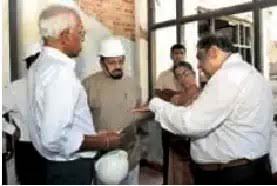
National Heritage Minister Jagath Balasuriya visited the premises recently and inspected the renovations in progress. Ministry Secretary Nanda Wickremasinghe and Additional Secretary G. Samarasinghe also participated in the inspection tour. The picture gallery would consist of over 100 historical pictures donated by the British High Commission, according to the Ministry.
A part of the building would be converted into an audio gallery with listening facilities to the speeches of world leaders, and an archaeological museum would also be established including the biographical details of former Speakers of Parliament
MUMTAZ MAHAL WAS THE TRADITIONAL SPEAKERS’ OFFICIAL RESIDENCE SINCE INDEPENDENCE
***


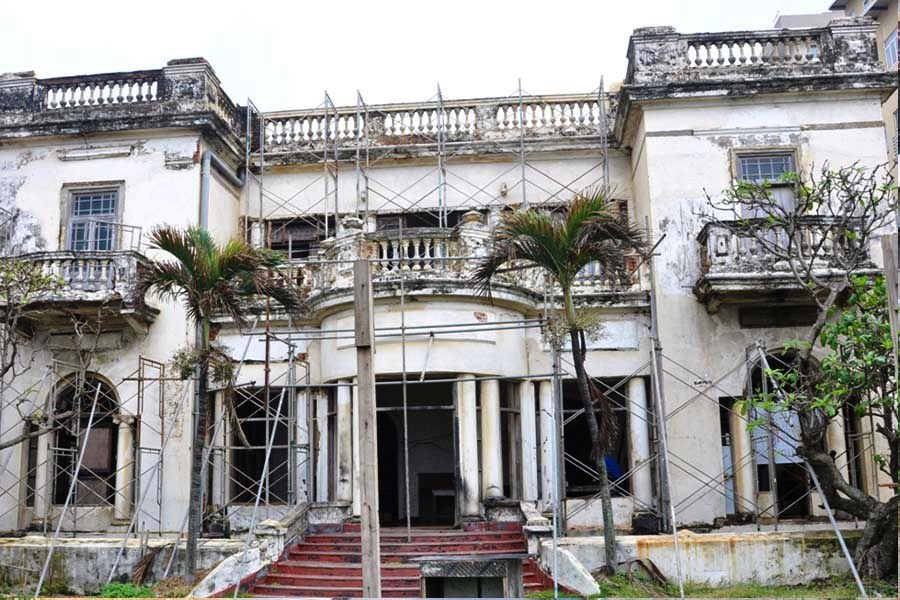


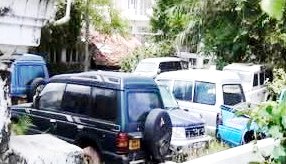
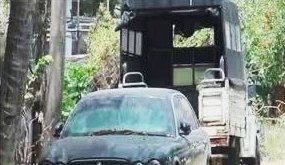
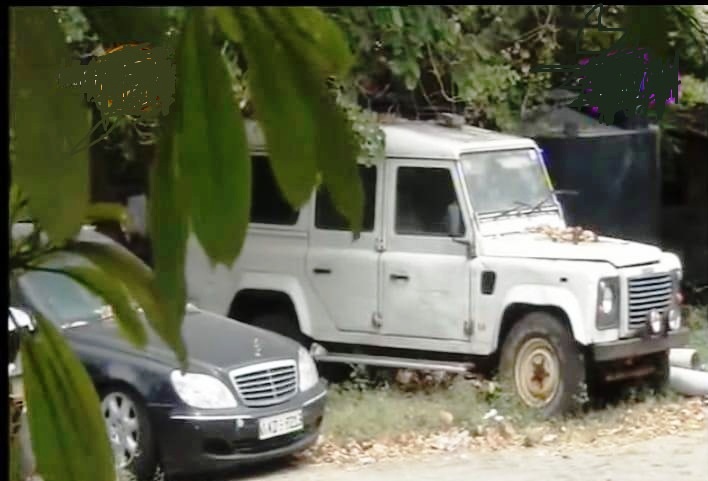
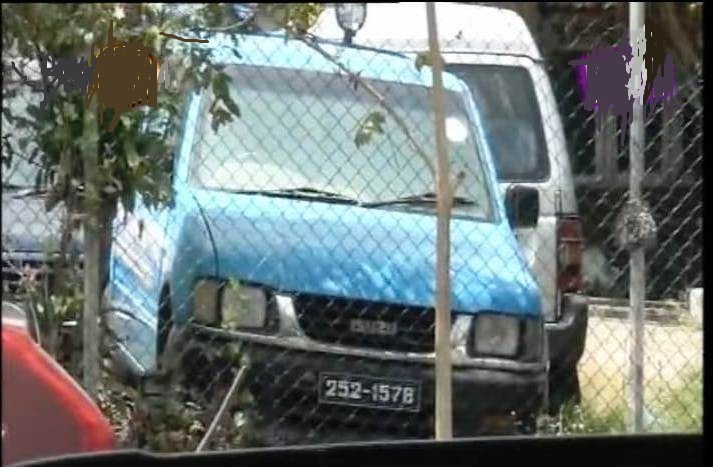
In 2016 Mahdi Hussein visited ‘Mumtaz Mahal’ with his daughter Ameena and saw the sad state of the mansion and the garden, his childhood home. Ameena wrote an article in The Nation on 21.11.2016.
In the last paragraph of her article, Ameena’s dismal thoughts about the future of Mumtaz Mahal were distressing. I too had similar thoughts when I saw the thoroughly neglected state of the mansion and the junk yard, while travelling often along Marine Drive.
The Nation 21.11.2016
Mumtaz Mahal The story of a house 
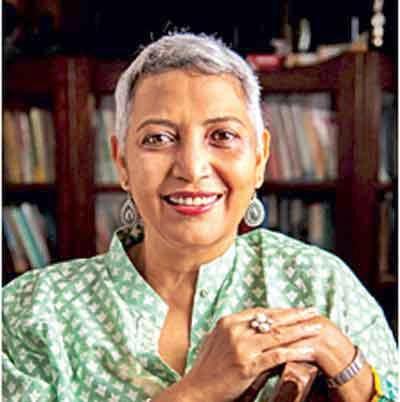
By Ameena Hussein
A few days ago, I took my father to see his childhood home. Situated on the busy and newly refurbished Galle Road in Kollupitiya, the house sat on a piece of land that stretched from the Galle Road down towards the sea. It is a testament to a long-lost era of spacious compounds with large houses, vast rooms and elaborate gardens.
My father often told me stories of how he would go to sleep lulled by the sound of the waves of the Indian Ocean pounding on the beach outside. Of playing in the gardens and sitting on the verandas with his siblings and parents. He was talking of a period that I was not familiar with, when Sri Lanka was called Ceylon and still a colony under British rule. As we walked down the drive, the house though shabby still looked imposing and the gardens though neglected showed traces of what they would have been like long years back. It would have been a magnificent house.
This is the story of that house. Around 1927, my grandfather, a man prone to insane fits of building extravagant houses, embarked on a project that would ruin him. The youngest and spoilt son of a rich man, he was presented a house called St Margaret’s which was a lovely French styled villa, by his father. He tore down the house against his wife’s wishes and in 1928, he commissioned the services of the architect Homi Billimoria (who would go on to build Tintagel in 1929) to build him another house on the same piece of land that echoed his vision and would be the very definition of himself. It was a house that mixed the styles of Italian renaissance and colonial grandeur. Tall columns, sweeping stairways, wide balconies, high ceilings, intricate floors and broad verandas were all part of the house design. Once the house. Sunken gardens house was completed, he hired the Count de Mauny, who romanticised and made the island of Taprobane off Weligama famous, to design the gardens and furniture to fit, elaborate drive-ways, garden stairs and framed views were his theme; his furniture using exquisite, rare and native woods were art nouveau replete with complicated inlays and detail. The furniture was specifically built for the house and resulted in being extra tall, extra large and extra elaborate. The beds could sleep three or four people easily, the sofas were as wide as beds, the dressing tables had tall mirrors and the cupboards were deep.
My father spent three happy years there, before my grandfather, deep in bankruptcy, was forced to rent the house to the French consul until 1943. He vividly remembers the day he and his siblings left the house, led by the hand by his father and taking one last look at the Joan of Arc statue at the bottom of the stairs hoping that a miracle would happen and that he would never have to leave.
When the French consul left Sri Lanka on the fall of the Vichy government, Sir Geoffrey Layton who was Commander in Chief – Ceylon, took over the tenancy. In 1947 when Ceylon achieved Dominion status the government began to look for a house for the first Speaker. My grandfather’s house was sold together with some of the Count de Mauny furniture to the government of Ceylon and Sir Francis Mollamure took residence. For the next 53 years eminent citizens of the country like Sir Albert Pieris, HS Ismail, TB Subasinghe, RS Pelpola, Hugh Fernando, Shirley Corea, Stanley Tillekaratne, Anandatissa de Alwis, M H Mohamed, Bakeer Markar, and EL Senanayake among others lived in the house that became the official residence of the Speaker of the Parliament.
Over the years, my family has been invited by various members who held the post of Speaker to have high tea and walk about the house that my ancestors once owned. It was like walking into another era for my sister and I as we roamed through the rooms, laughed at the now strange looking oversized furniture and the vast and over-bearing rooms.
The house and gardens always looked well kept and it must have given my father pleasure to know that his childhood home was well looked after. Then a newer residence was built in Sri Jayawardenepura, as the official residence of the Speaker and the house went through a series of different identities, including the office of the short-lived Constitutional Council and the Fiscal Ombudsman.
A few days ago, while driving past I was pleasantly surprised to see that the house now housed the Buddhist and Pali University. My father with his love for languages and philosophy was pleased that his childhood home was now a home for academia. We decided to visit.
As we climbed up the stairs to the house from a side entrance we began to get a sense of the neglect that had set in. The walls were damp and green with mould, the intricate parquet floor was wet, a heavy fetid smell followed us through the house. The remnants of the Count de Mauny furniture, and there were not many, were pushed to a side carelessly and were in a state of disrepair. Velvet curtains hung loosely as if in a mad scene from Great Expectations. The Joan of Arc statue was no longer there. I looked sideways at my father to see if he was upset. His face was the picture of calm. He has a Buddhist outlook on life and knows that nothing is permanent.
When I asked a man loitering outside why it was in such a neglected state, he told me it seemed to be between authorities and no-one wanted to take responsibility for it. When I told him that it was my father’s childhood home, he asked us if we were Indian. I had to tell him that we were born and bred Sri Lankans for many generations and that we still live in the general area. He seemed mystified and kept on asking if we were returning to India. Perhaps he had been told that the man who built the house was an Indian, or perhaps he thought that Hussein was not really a Sri Lankan name.
A few days ago I had the good fortune of listening to Professor Guhar who spoke about making Asian cities habitable from a perspective of the past, at the 12th Neelan Tiruchelvam Annual Lecture. He touched on the three salient points of ancient cities –Nature, Democracy and Tradition, and congratulated Colombo on still possessing heritage houses and colonial buildings. Looking at the treatment this particular house is receiving, perhaps it won’t be there for long.
I mourn that a heritage house like this is falling apart under our very own eyes. I bemoan the fact that our government has not set up a heritage trust to protect or maintain historical buildings. Soon, I expect it will be bulldozed to make room for a bright, shining, steel and glass monstrosity. Then the city of Colombo will forget that it once housed a residence called Mumtaz Mahal. Initially a rich man’s folly, elevated to the residence of many eminent Sri Lankans including various Speakers of Ceylon, and now a dilapidated classroom that resembles a slum!
(Ameena Hussein is a partner of Perera Hussein Publishing House and a writer)
http://www.nation.lk/2011/08/14/eyefea2.htm
***
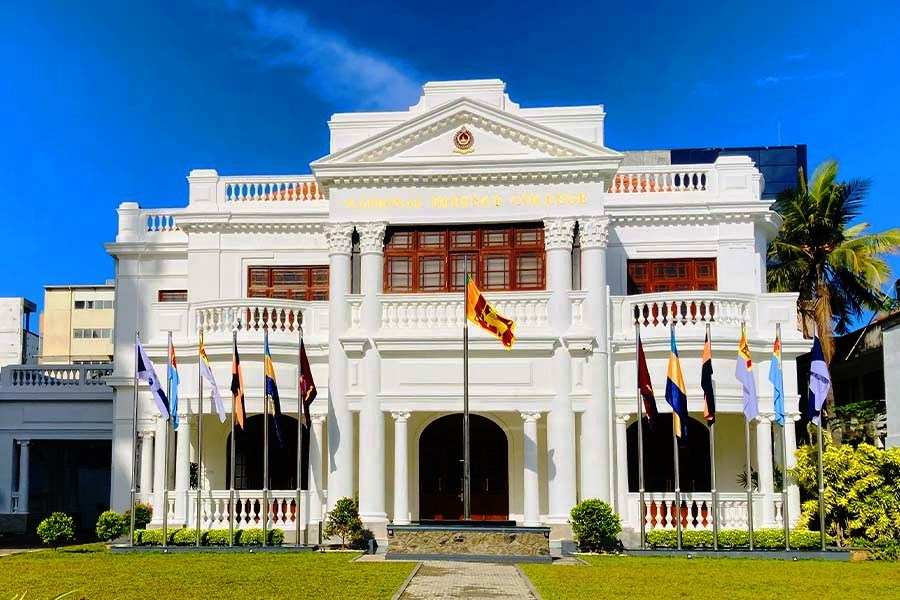
During 2017 to 2019, the Chief of Defence Staff, Admiral Ravindra C. Wijegunaratne, was involved in securing the neglected ‘Mumtaz Mahal’ for the Defence Ministry to establish the National Defence College, at Security Council meetings with then Prime Minister Ranil Wickremesinghe. It was badly in need of repairs. The once beautiful garden was used as a junk yard by the Presidential Secretariat which owned the property. In 2017, it underwent a major restoration to house the National Defence College which was completed in 2021. Admiral Wijegunaratne briefly explains its establishment in his article in the Island of 8.8.2022. The relevant extract is reproduced. Thus started the resurrection.


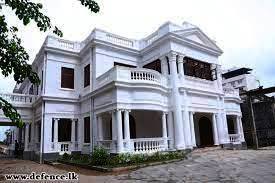

National Defence College of Sri Lanka
Published on 2022/08/8

http://island.lk/wp-content/uploads/2022/08/DI-P07-08-08-P-hgw.pngI was invited to deliver a lecture at the Diners Club of the National Defence College (NDC), the highest Defence learning establishment of Sri Lanka, by its Commandant, Major General Amal Karunasekara, highly decorated officer from the Sri Lanka Light Infantry. Our inaugural NDC course started on 14 November, 2021, and 14 senior officers from the Army, seven from the Navy, six from the Air Force and four from the Police took part in the one-year-long course.
I was very happy about the invitation, as the Chief of Defence Staff, in 2017 to 2019, I was involved in securing this mansion, known as ‘Mumtaz Mahal,’ Colombo 03 the former official residence of the Speaker of Parliament, from 1948 to 2000, until a new official residence for the Speaker was built, close to the Parliament. From year 2000, this mansion, located on a land extending up to the Marine Drive, from the Galle Road, had been neglected, and when the Defence Ministry acquired it for establishing the NDC, it was badly in need of repairs. Further, the once beautiful garden had been used as a junk yard of the Presidential Secretariet, which owns the property.
It was great an achievement by the Defence Secretary and the CDS, at that time (2016), to secure this invaluable property, in the heart of Colombo’s residential area, especially when all three services were losing their prime land, in Colombo, and moving out of Colombo, to Akuregoda, including their Headquarters.
The task of repairing the building, and to bring it back to the previous glory, was vasted upon the Navy Civil Engineering Department and they did a wonderful job, in spite of the work getting delayed, due to lack of funds. The Air Force took the responsibility of landscaping.
‘Mumtaz Mahal’ was built by Mr Mohomad Hussain, well known businessman, in 1928. He commissioned well known architect, at that time, Homi Billimoria, who designed the Colombo Town Hall. This was an Italian design house where Count de Mauny was commissioned to the design garden and furniture.
On a suggestion made by Hubert Sri Nissanka,QC ( a founding member of the Sri Lanka Freedom Party), a close friend of Mr Hussain, the mansion was named, under the name of his youngest daughter Mumtaz. History says the overseas business of Mr Hussain was badly affected, during the Great Depression, and he hired the mansion to the French government, in 1943, and the French Consul occupied it till the start of the Second World War. During War, the mansion was sold to the government and, in 1943, the Governor General of Ceylon at that time, Vice Admiral Godfrey Layton, Commander-in-Chief, occupied it as his residence, fearing that the Japanese may bomb the Governor General House, in Fort.
During interactions with our new President, at Security Council meetings, when he was PM and I was CDS, he mentioned some of these historical details, and the War Cabinet, during World War Two, under Vice Admiral Layton, has met in this Mansion, in the room which is the present day auditorium.
***
The dilapidated building was beautifully renovated by the skilful men in uniform preserving its historic and architectural value and fine craftsmanship. The Chinese Government built a fully equipped auditorium. The Pakistan Government built a library. The Australian Government and the tri-forces provided books to the library.
The National Defence College was opened by President Gothabaya Rajapakse on 11th November 2021.

Uncle Mahdi was a well-read, calm, and soft-spoken person, and I always enjoyed our conversations on a wide range of topics. He had a special interest in history, so naturally he was keen to know about Mumtaz Mahal and its fate after it ceased to be the Speaker’s official residence. When I told him it was to be converted to the Buddhist and Pali University, he accepted it with composure, though I mentioned that structural changes would follow. Later, when it became the National Defence College, he had heard of it, and I was able to tell him that the mansion was restored to its original grandeur by the services personnel and reopened in 2021.
He had the chance to visit Mumtaz Mahal, his childhood home, in 2012 and 2016 with Ameena. By then, the mansion and its gardens were in a state of neglect and disrepair, a sad sight for him to behold. Though clearly saddened, he remained calm, quietly reflecting on his childhood memories and the uncertain future of the historic home.
Unfortunately, he is no longer with us. Yet knowing his deep appreciation for history, I am certain Uncle Mahdi would have been truly happy to see that Mumtaz Mahal was not lost, but lovingly restored to its original state. Allah, in His mercy, showed the way.
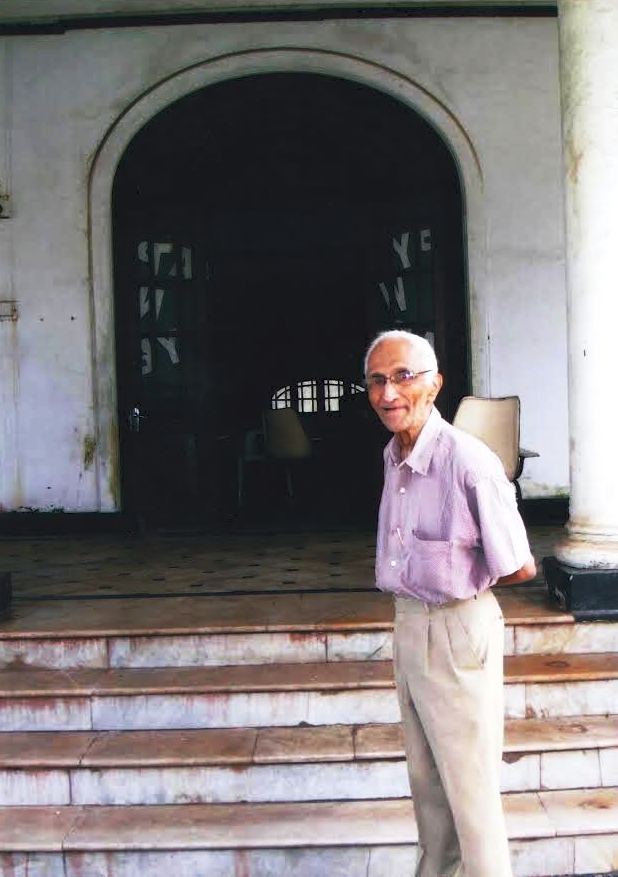
Uncle Mahdi standing at the entrance to
Mumtaz Mahal in 2016
The historic mansion ‘Mumtaz Mahal’ has undergone many phases in its Rise, Fall and Resurrection, and will reach 100 years in 2029. This memorable event should be celebrated in an appropriate manner.
I thank Capt. Akram Alavi, Major General Chamila Munasinghe, Ameena Hussein, Sam Perera and Yakoob Bin Ahamed for their support.
(Ali Azeez knew M.A.M. Hussein, who was the younger brother of his maternal grandfather M.A.M. Ismail. During his young days Ali has visited ‘Mumtaz Mahal’ in its heyday)
Footnotes:
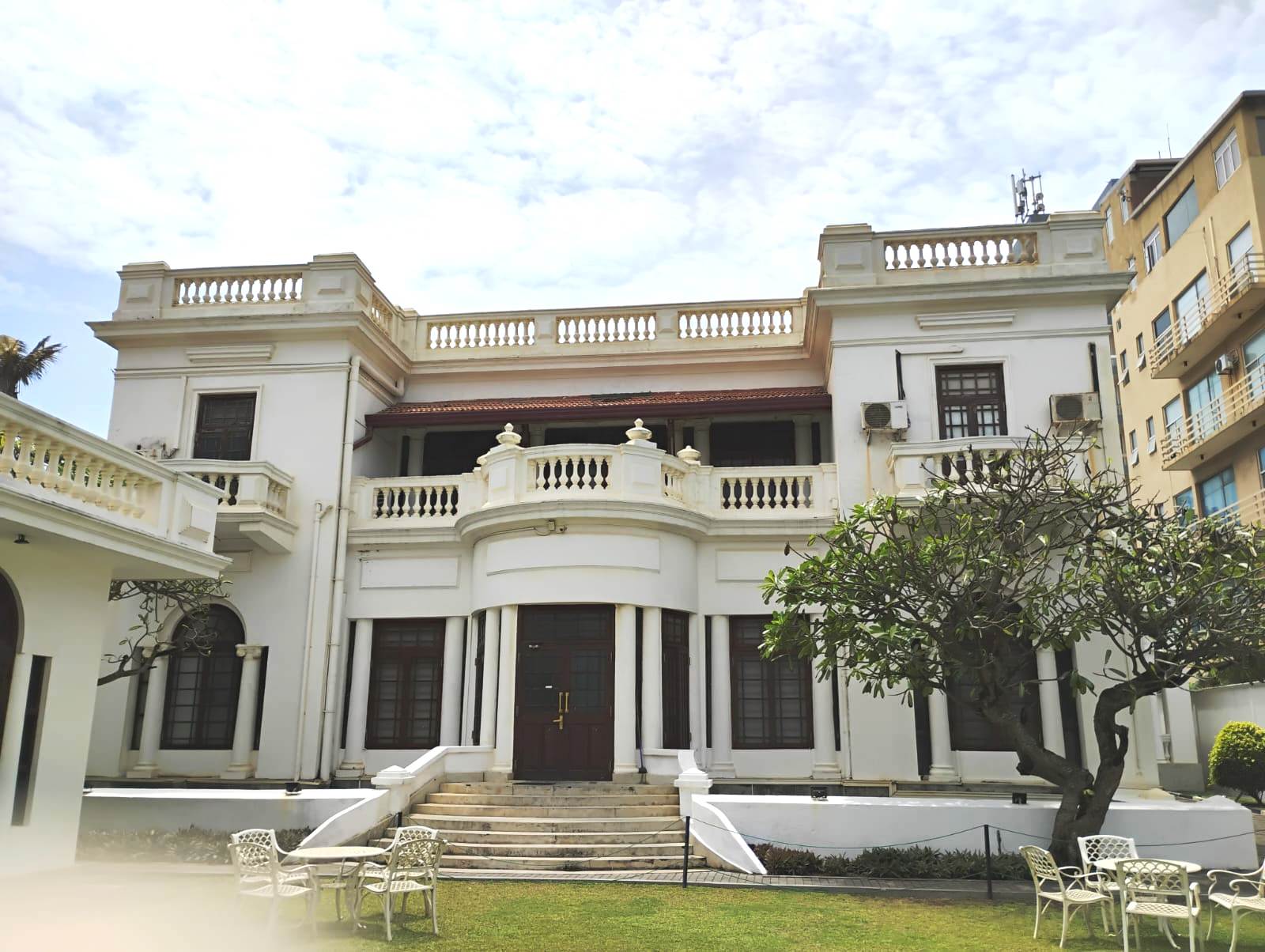
- A visit to Mumtaz Mahal, now the National Defence College, was arranged by Capt. Akram Alavi (ex Navy) on 26th July 2025, attended by Ali, Ameena, Zainab, Sam and Yakoob, The Commandant Major General Chamila Munasinghe gave them a right royal welcome and his staff took them on a tour of the entire premises. The mansion has been fully refurbished to a near original state, except for a few alterations, but the original furniture and fittings were all missing. It gave immense happiness to see that the mansion has been resurrected and was in good hands.
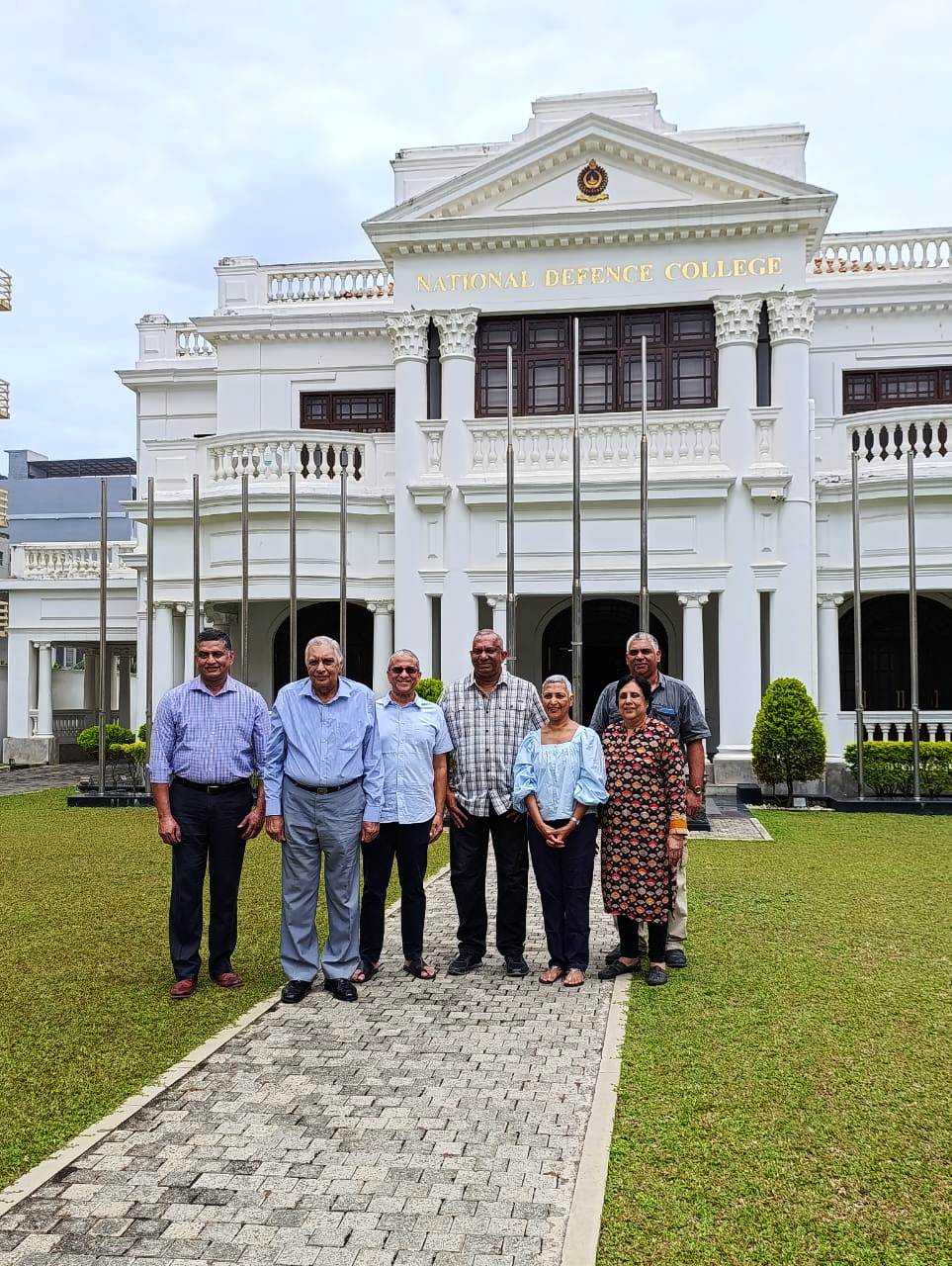
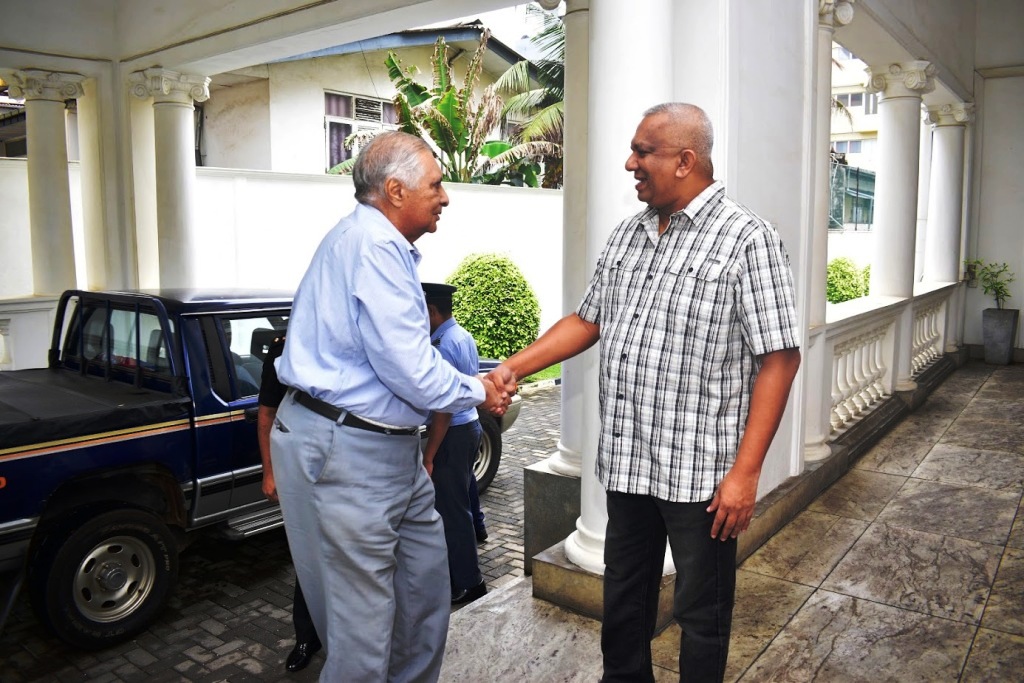


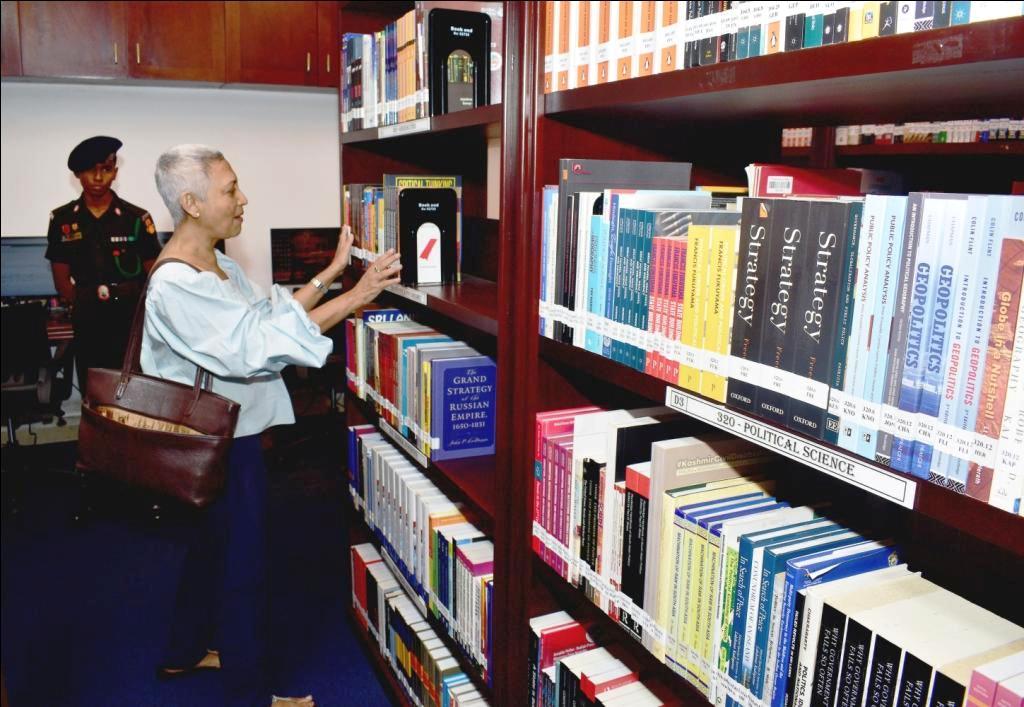

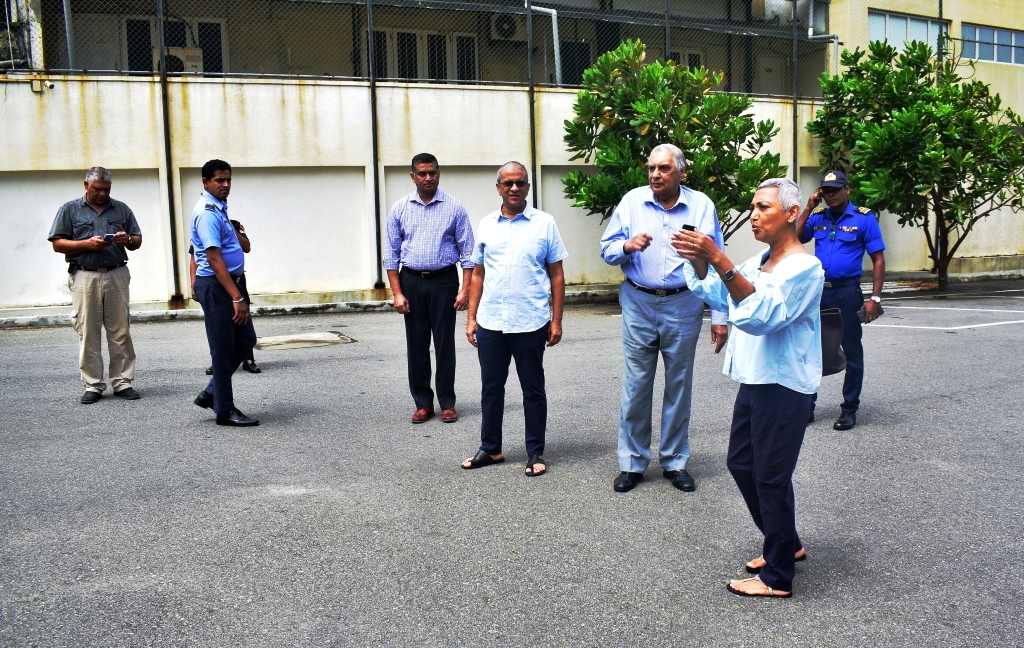
2. The original name plaque in brass on a pillar at the entrance, with Mumtaz Mahal in Sinhala, Tamil and English was missing for a long time. It was in a neglected state. We were relieved to see that it had been restored with spit and polish as they say in the Army, and reinstalled in its place.
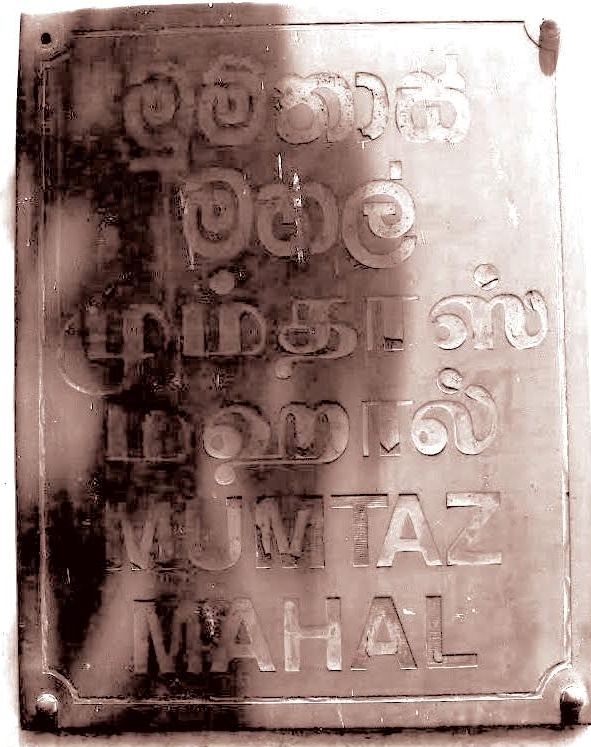
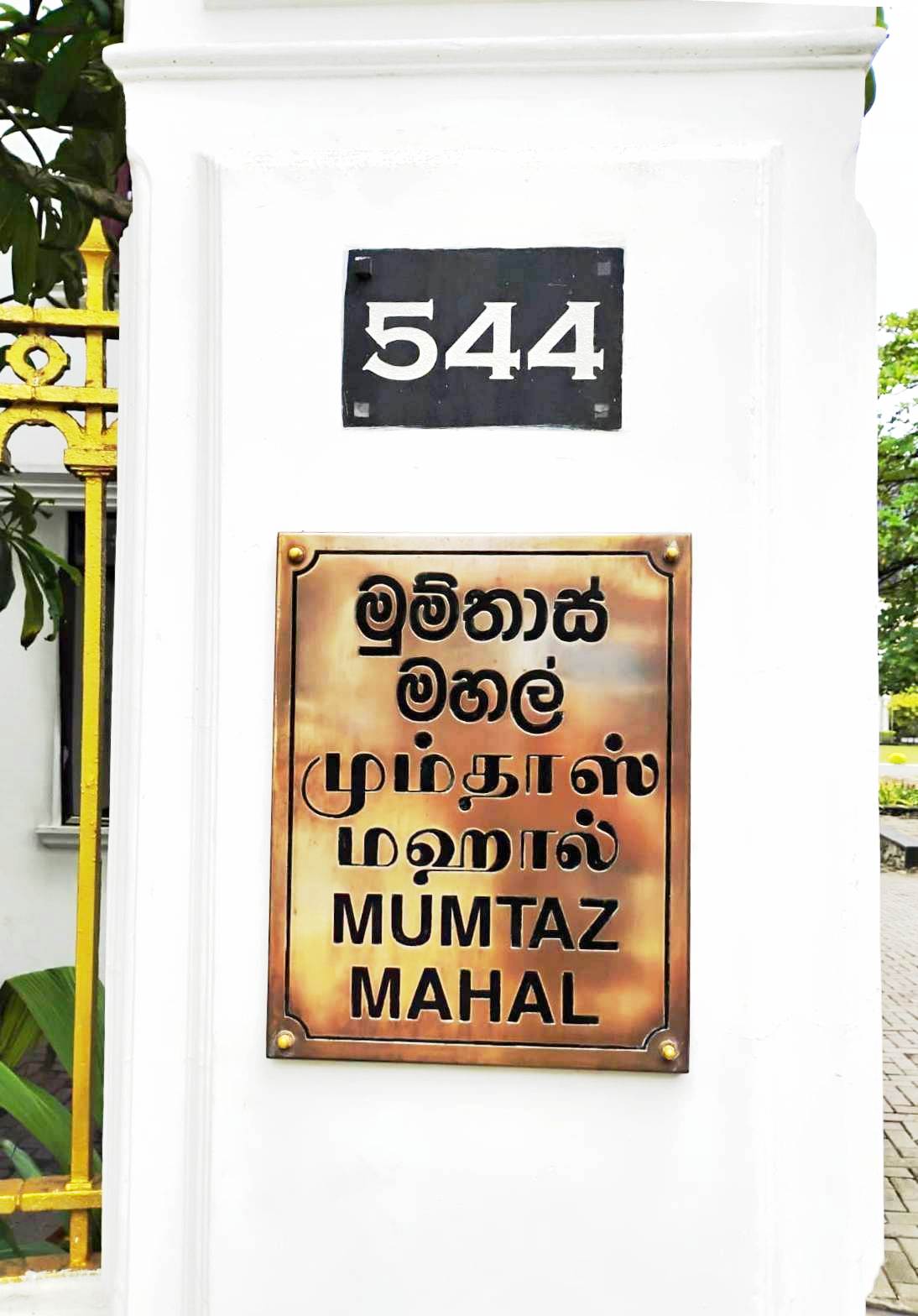
It is believed that the original plaque would have been in English only, and after 1948 a new one in all three languages was introduced.
3. The Billiards Room was detached from the main building of the mansion. After renovation it is now used as
the staff mess of the National Defence College.
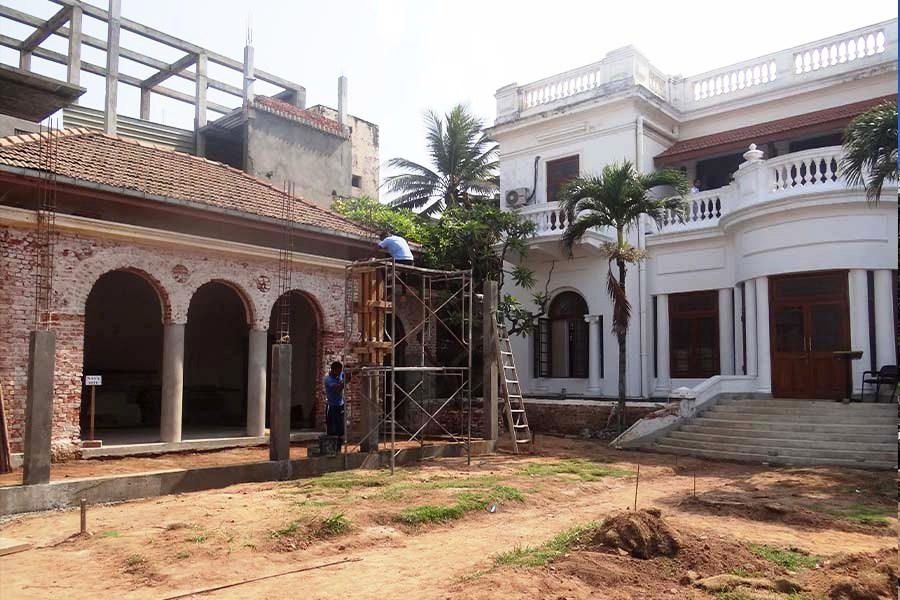
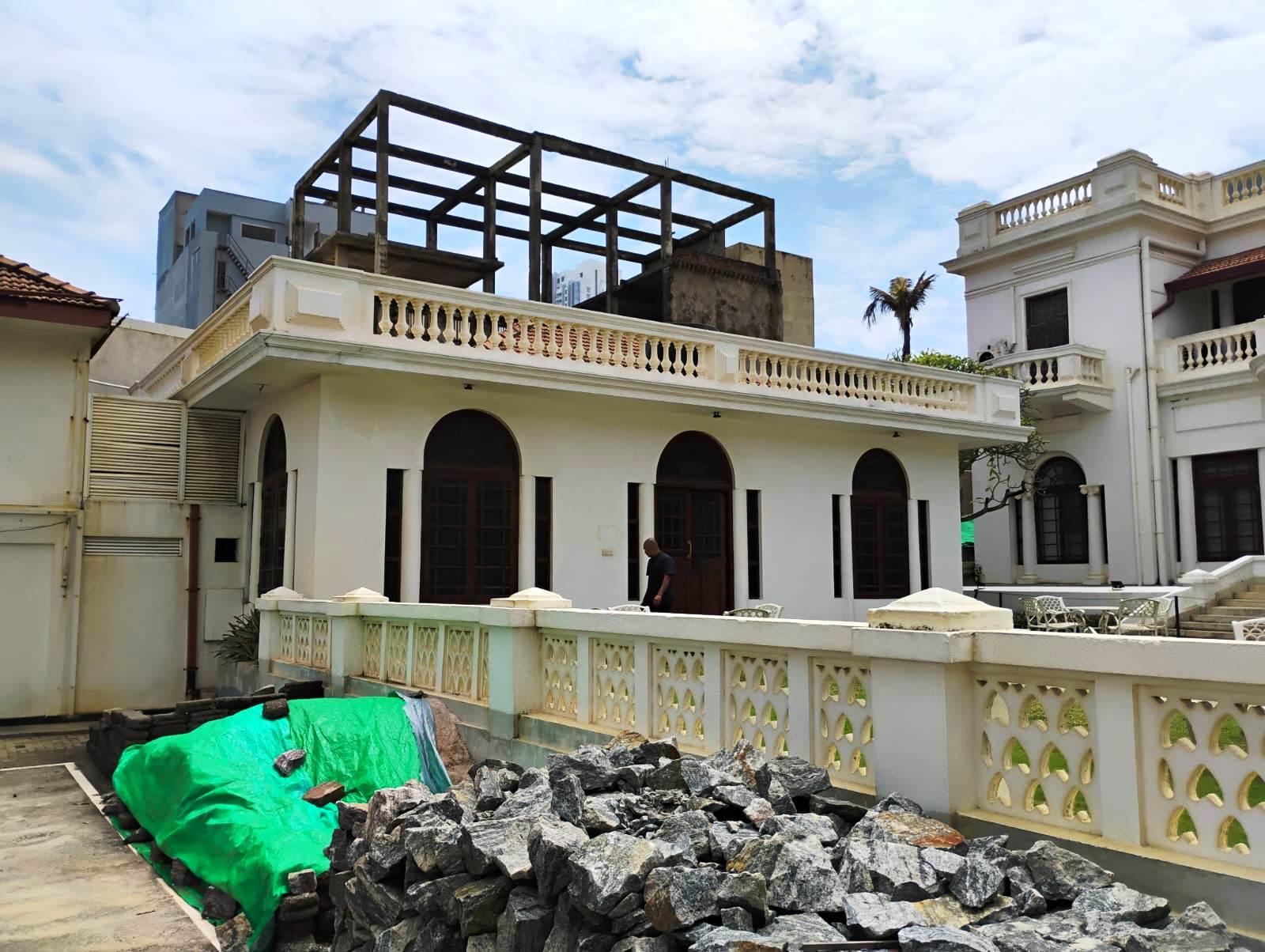
4. As a young boy I remember visiting ‘Mumtaz Mahal’ with my parents, and later when H.S. Ismail was the Speaker. I remember the kitchen in the basement by going down in a lift operated by a rope. It was a large area and accessible by a small staircase. The lift was used to bring food to the dining room.
During our visit, though others went to the basement by going down the narrow and steep staircase, I did not. The lift was no longer there. The basement is situated in the main building closer to the Billiards Room, now the staff mess. I went down by steps at different levels from outside, which need restoration. The large kitchen is now the stores.
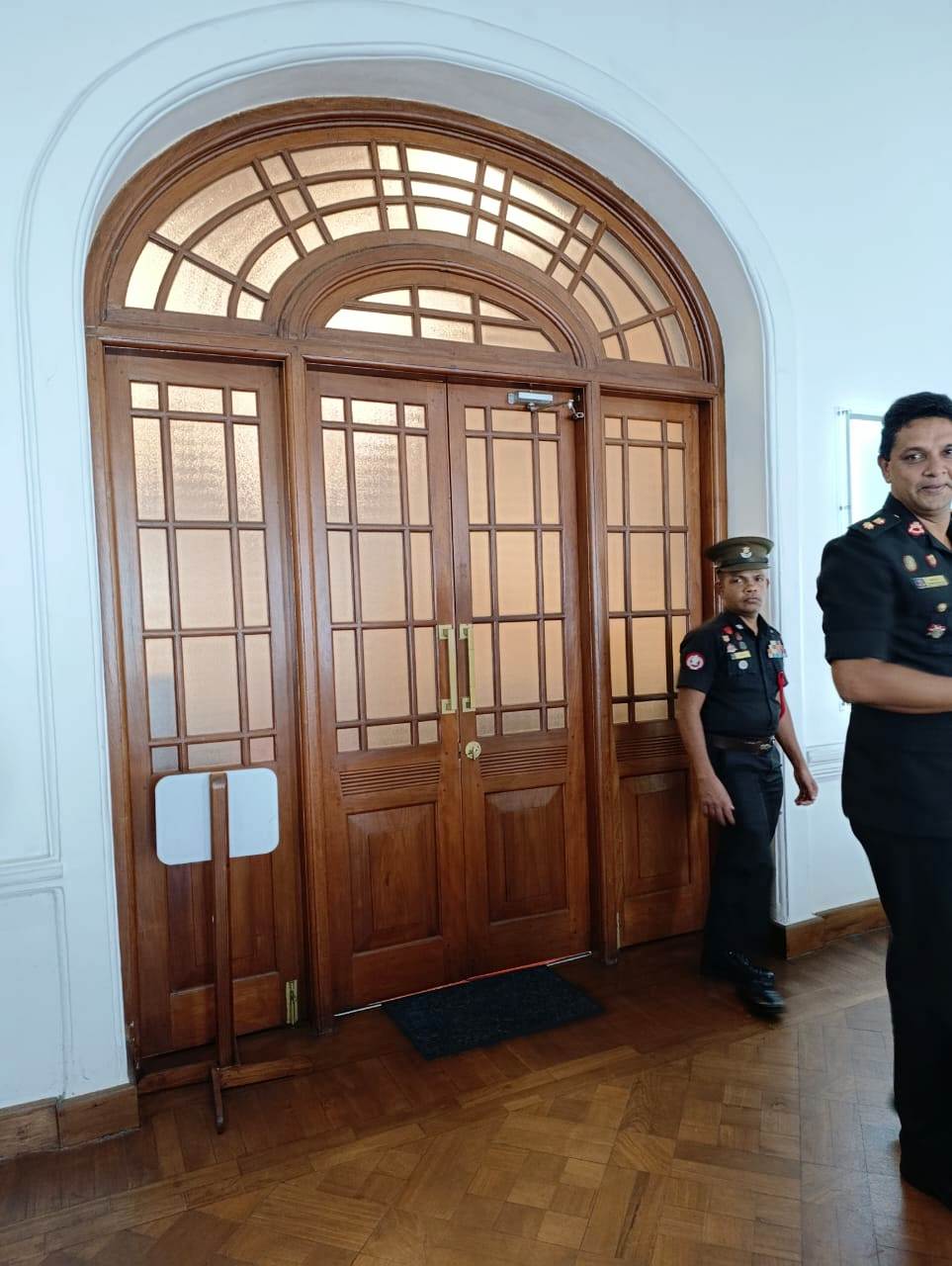
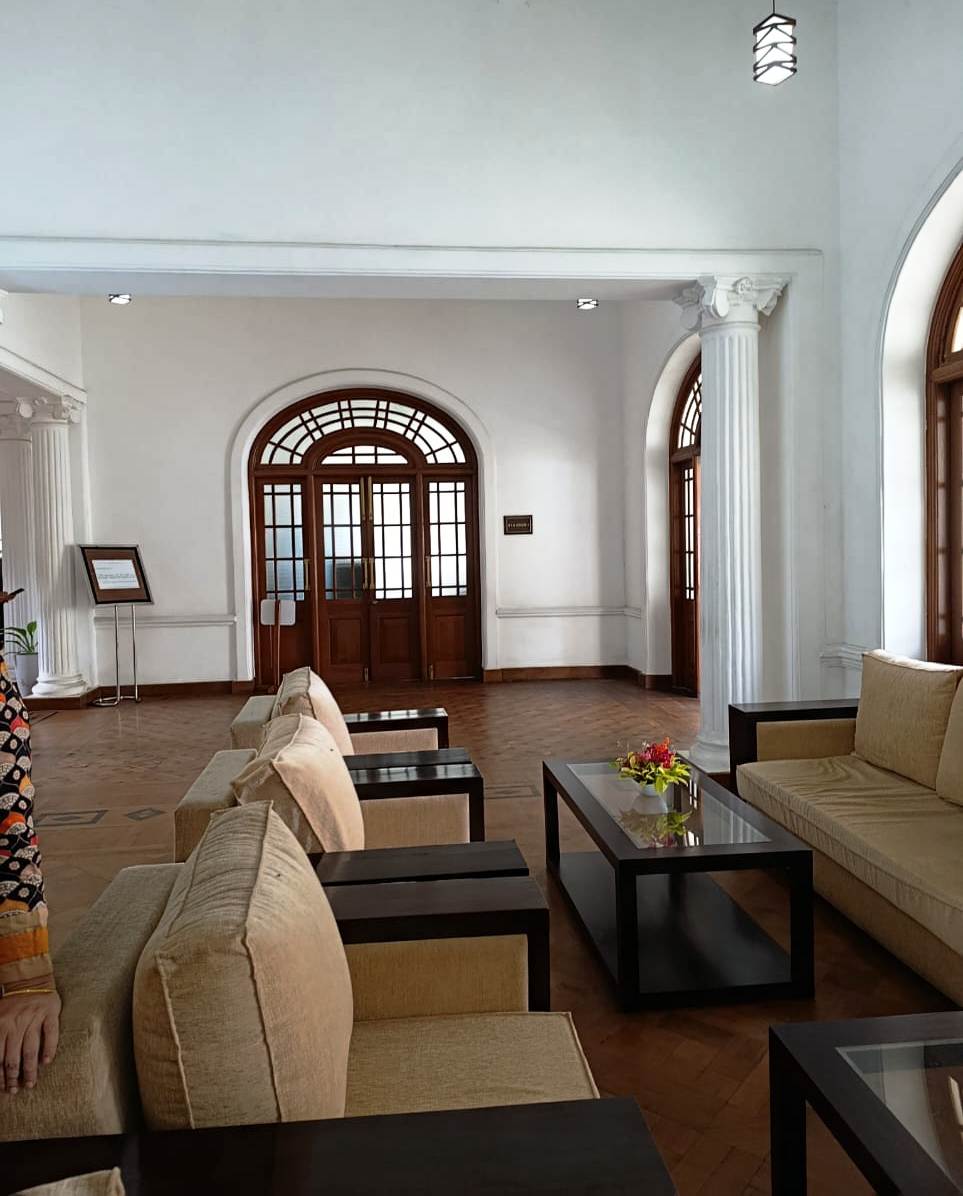
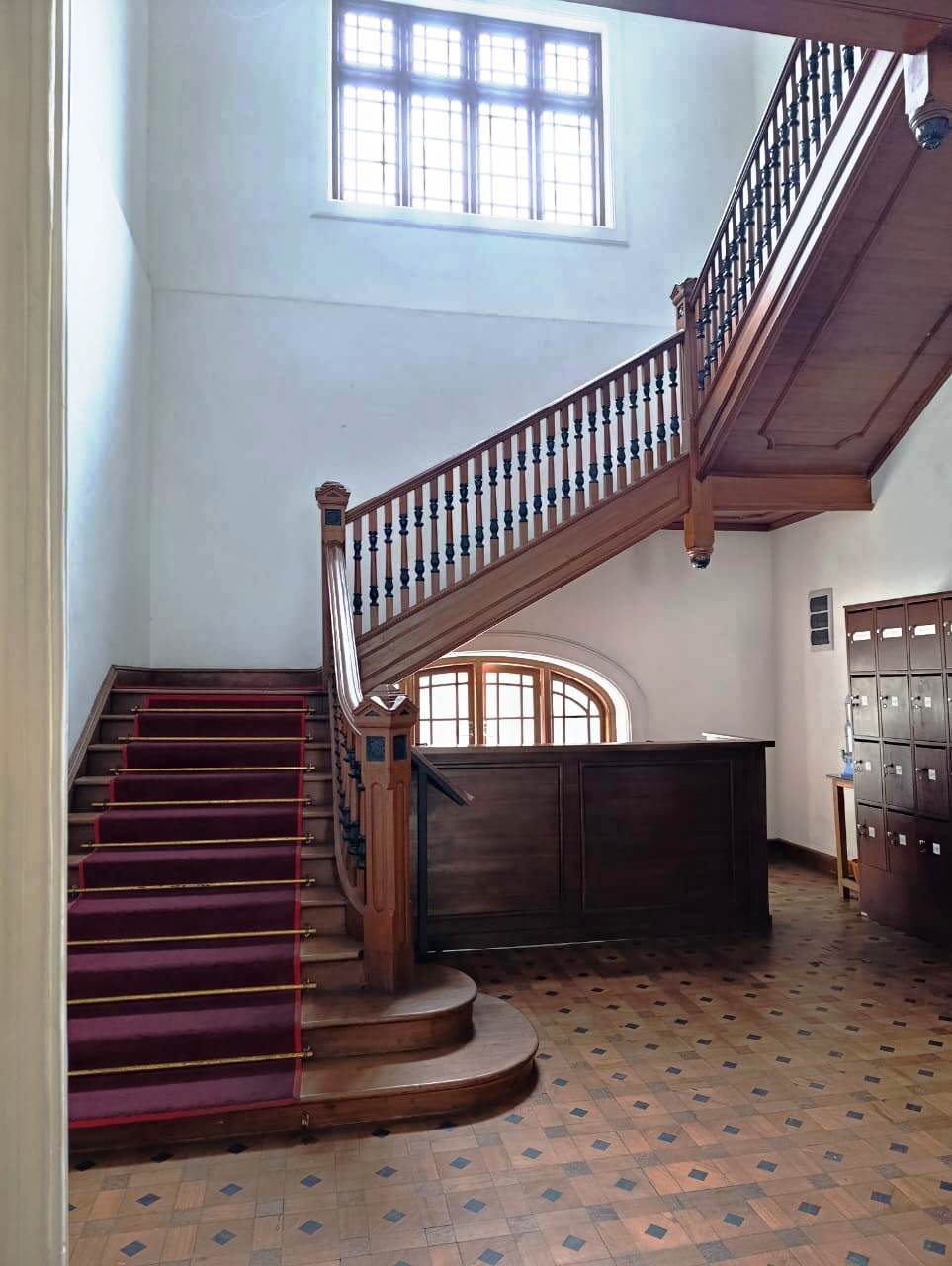
5. It was observed that the original doors and windows have been refurbished and maintained well. The original floor in the verandahs are of granite and well maintained. The original floor areas in the main building are of wood with different designs and have been refurbished. So was the wooden staircase. The wood used are of high quality and has lasted 95 years.
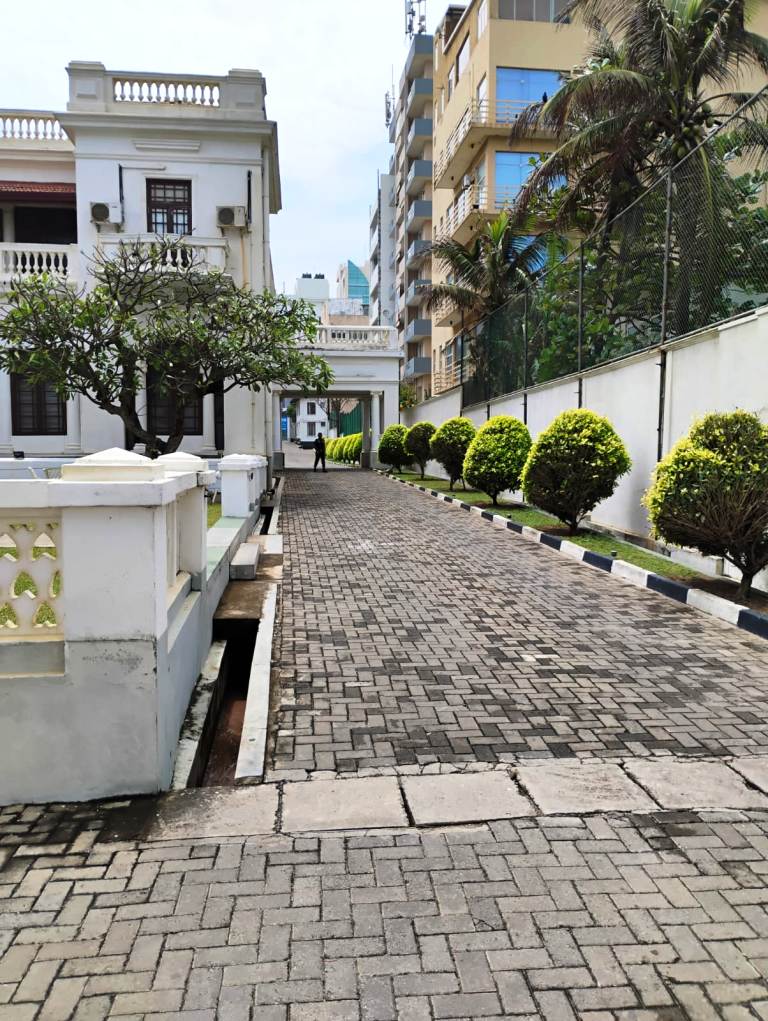
6. The posh Garage and Chauffeur’s Quarters were built near Galle Road having a separate entrance, which was the home for the Napier limousine.. The garage was away from the sea to avoid the sea breeze affecting the cars. This building was retained and beautifully restored and now used for other purposes.
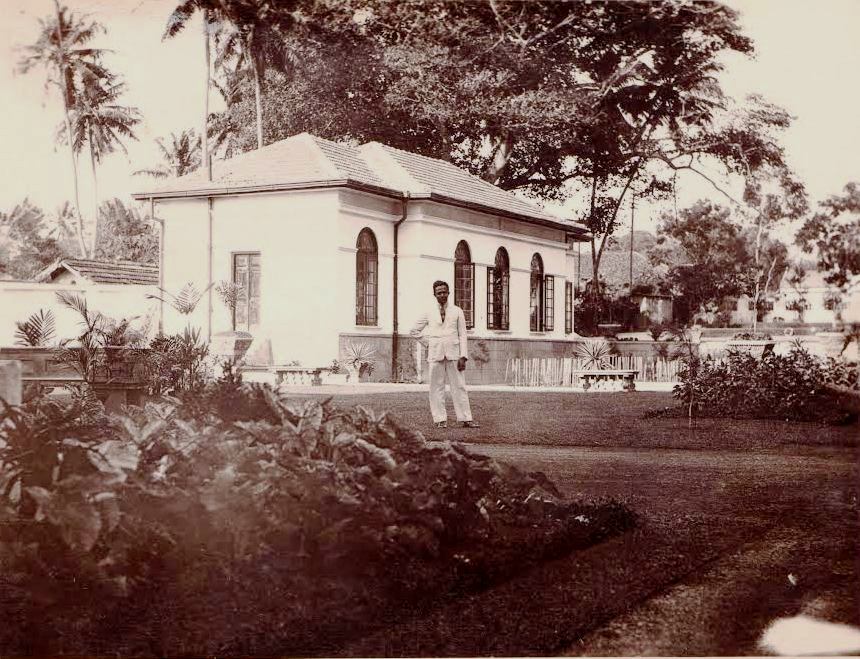
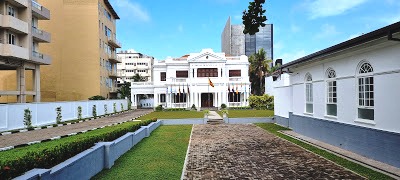
Hussein in front of Garage and Restored Garage on the right
Chauffeur’s Quarters
7. The sunken garden on the Galle Road side has been reduced towards the road, so as to accommodate a small car park and the area for flag hoisting and other ceremonies. The sunken garden on the seaside is no longer there which has been converted to a large car park. The small lawn near the building is retained with garden furniture, and separated by the original wall. The driveway was well laid out.
8. It was heartening to see that the majestic mansion ‘Mumtaz Mahal’ built and owned by M.A.M.Hussein has survived. The sprawling residences of Mohamed Alie and his children have been sold and demolished.
- M.I. Mohamed Alie – 73, Dam Street, Colombo 12. Last occupied by a tenant.
- M.A.M. Ismail – ‘Meadow Sweet’, 81, Barnes Place, Colombo 7. Last occupied by Azeez, Ummu and
- family.
- M.A. Moomeen – 85, Barnes Place, Colombo 7. Last occupied by Mohamed, Ayn and family.
- M.A. Moomeen – 79, Horton Place, Colombo 7. Last occupied by M.A. Moomeen.
- M.A.M. Hussein – ‘Alcove’, 61, Green Path, Colombo 3. Last occupied by Hamza, Hafsa and family.
9. M.A.M. Hussein had exquisite tastes with wide-ranging interests. His passion for expensive and exceptional
motor cars was well known and he owned many cars. He travelled to England frequently and owned cars there for short spells. In 1924 he acquired the Napier 40/50 Limousine by Cunard in England for which his indulgent father sent the princely sum of Rs. 48,000/-. The car was the cynosure of all eyes in Colombo, and blended well with the mansion ‘Mumtaz Mahal’. The car was gifted to his old school S. Thomas’ College soon after the Second World War. Sadly this car lies in a derelict state at J.P. Obeyesekere’s walauwa in Colombo. A history of this car has been documented.
Hussein had an interest in acquiring a Rolls-Royce, the ‘King of Cars’ as they were known, and many custom built models were owned by the Maharajahs in India. It came to light recently that Hussein had purchased a Rolls-Royce in England, as revealed in a factory chassis card. It was a 1929 Rolls-Royce 40/50 Phantom l, Barker bodied Sedanca de Ville, Chassis No. 3-OR, Engine No. IW35. A rare car.
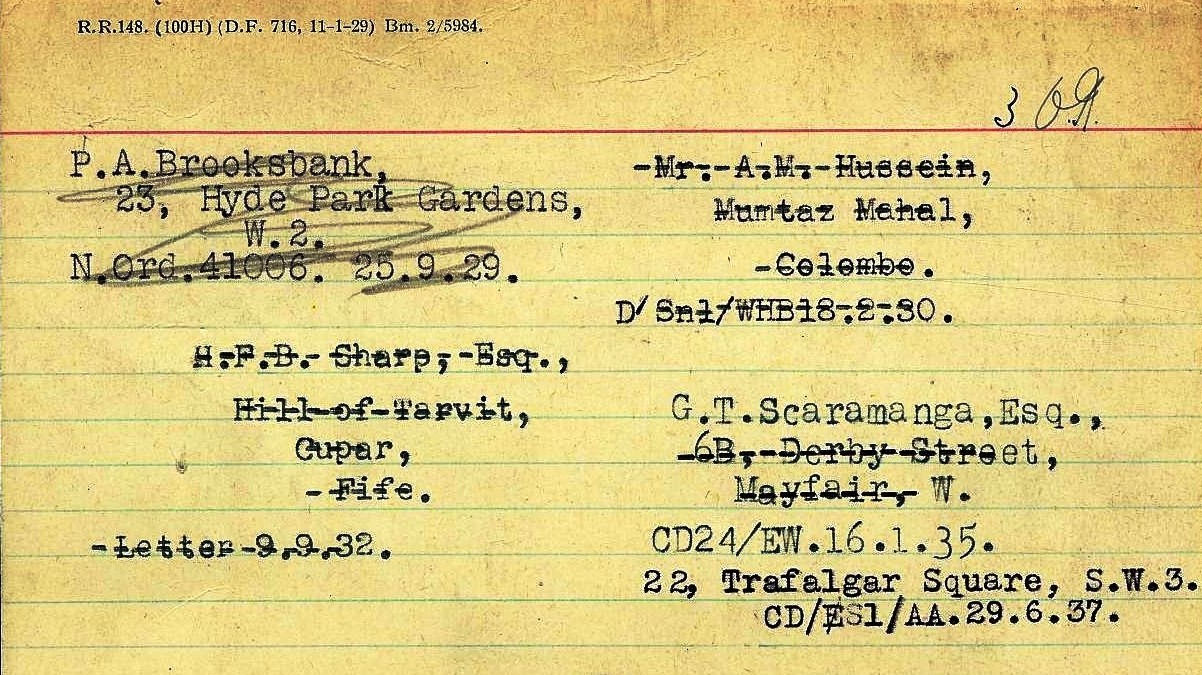
Extract of Chassis Card showing ownership.
The first owner was P.A. Brooksbank and registered on 25.9.1929. Hussein bought it on 18.2.1930 and sold it to H.P.B. Sharp on 9.9.1932. The fate of the car is unknown. The car was not brought to Ceylon, and it was not known to anyone until very recently. The reasons can be surmised as follows.
After building ‘Mumtaz Mahal’, Hussein faced acute financial problems and sold the Rolls-Royce. He would have had an idea of bringing the car to Ceylon, so that it would have been a rare car and a companion to the Napier. Around this time he leased ‘Mumtaz Mahal’ to the French Consul, and the family moved back to Icicle Hall. His indulgent father was not living to bail him out.
Hussein’s nephews Abdulla and Mohamed were sent to England in the mid 1930s for their education. They never took studies seriously and had a good time with their Uncle Hussein who travelled to England frequently. They nor Hussein’s son Mahdi ever spoke about the Rolls-Royce. I am aware that elder relatives spoke about Hussein wasting money on an expensive Napier, which probably would have precluded him from divulging his spending on another expensive car.
AA
Post Disclaimer | Support Us
Support Us
The sailanmuslim.com web site entirely supported by individual donors and well wishers. If you regularly visit this site and wish to show your appreciation, or if you wish to see further development of sailanmuslim.com, please donate us
 Donate
IMPORTANT : All content hosted on sailanmuslim.com is solely for non-commercial purposes and with the permission of original copyright holders. Any other use of the hosted content, such as for financial gain, requires express approval from the copyright owners.