 Sri lanka Muslims Web Portal Sri Lanka Muslims News Center
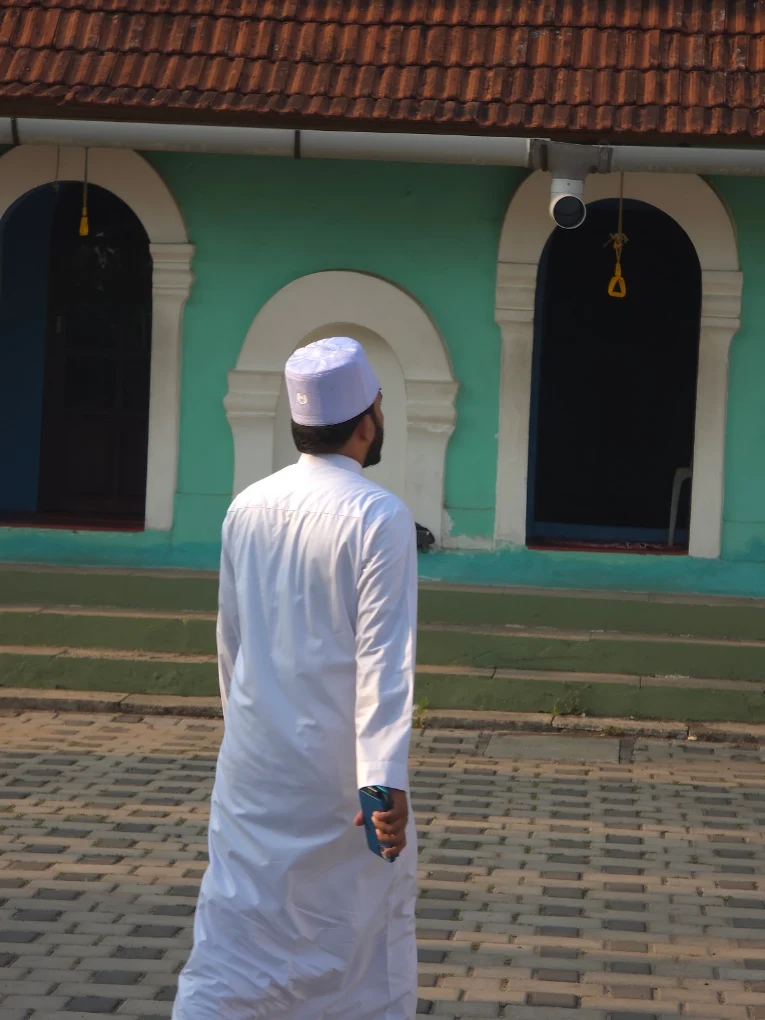
Nestled in the historic Kuttichira neighborhood of Kozhikode (Calicut), Kerala, stands a monument that defies the conventional imagery of Islamic architecture. The Mishkal Mosque—also known as Kuttichira Palli—is an extraordinary 650-year-old structure that tells a story of transoceanic trade, devastating conflict, and profound communal harmony. For those exploring the rich tapestry of South Asian Islamic heritage, Mishkal Mosque is a living testament to how the faith adapted to and embraced the local culture of the Malabar Coast.
The Origins: A Yemeni Merchant’s Vision
The story of the mosque begins in the 14th century, a time when Calicut was a bustling epicenter of the global spice trade. It was commissioned around 1340 by Nakhuda Mishkal, a remarkably wealthy Yemeni Arab merchant and shipowner. Nakhuda Mishkal operated a vast fleet of vessels that controlled trade routes connecting India, China, Yemen, and Persia. The name “Mishkal” translates to “balance” in Arabic, an apt title for a structure that perfectly balanced the Islamic faith with indigenous Kerala craftsmanship.
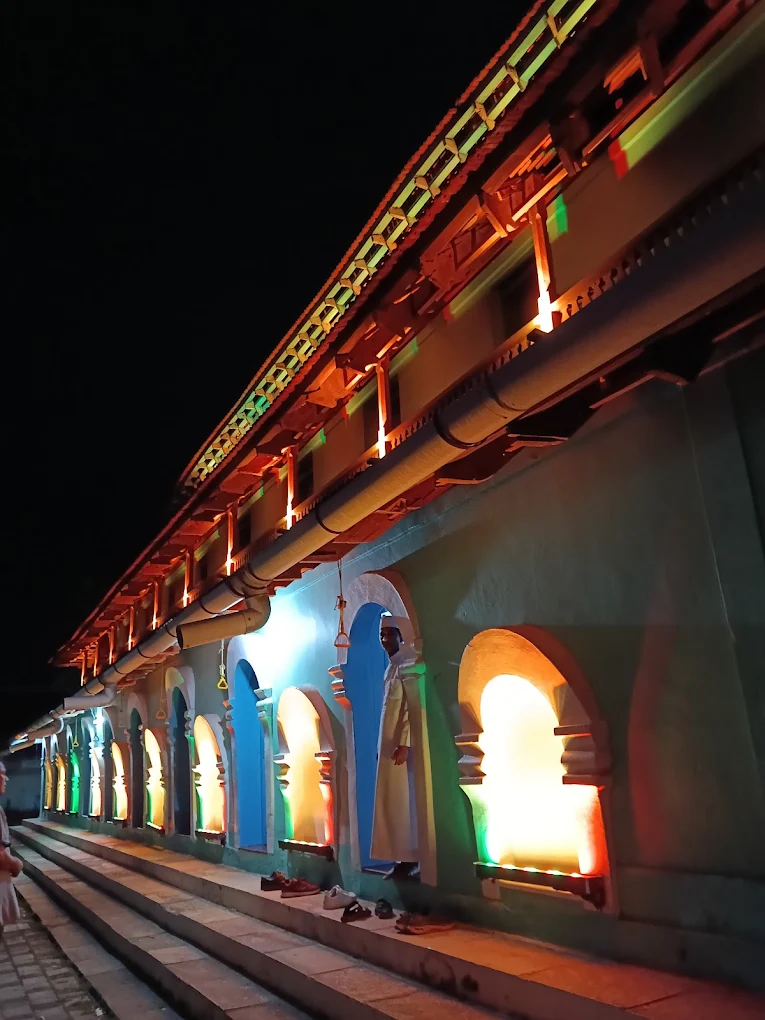
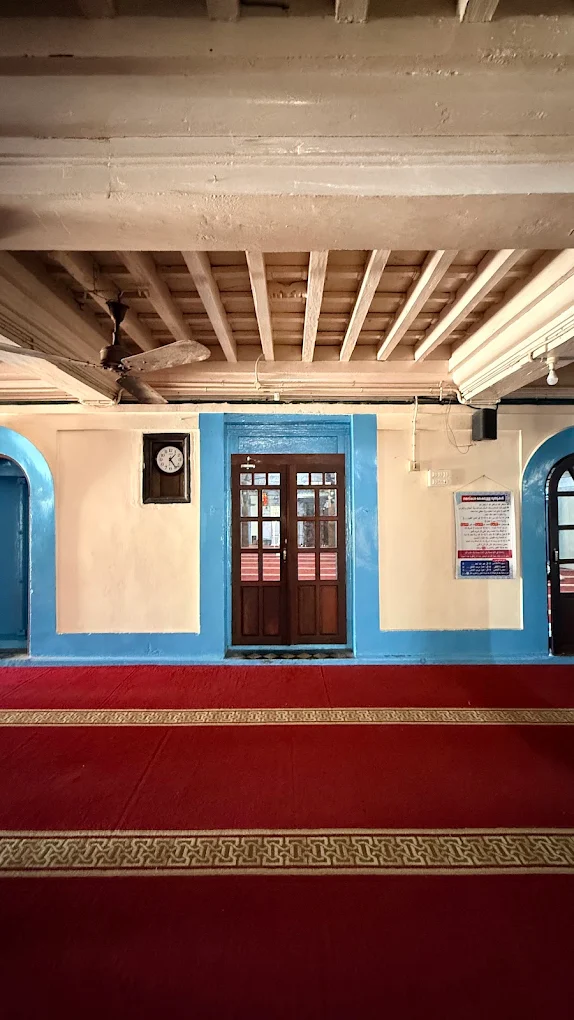
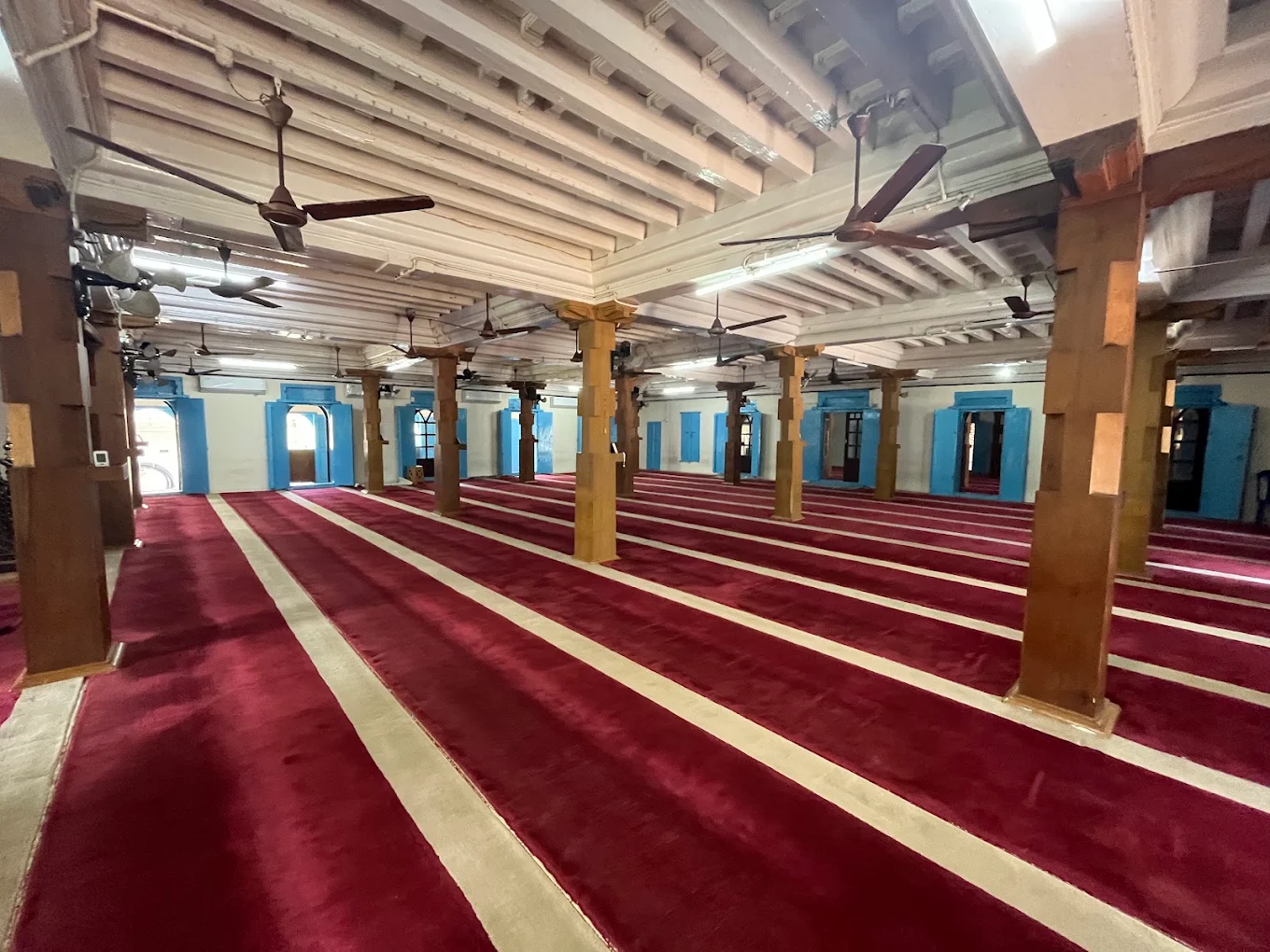
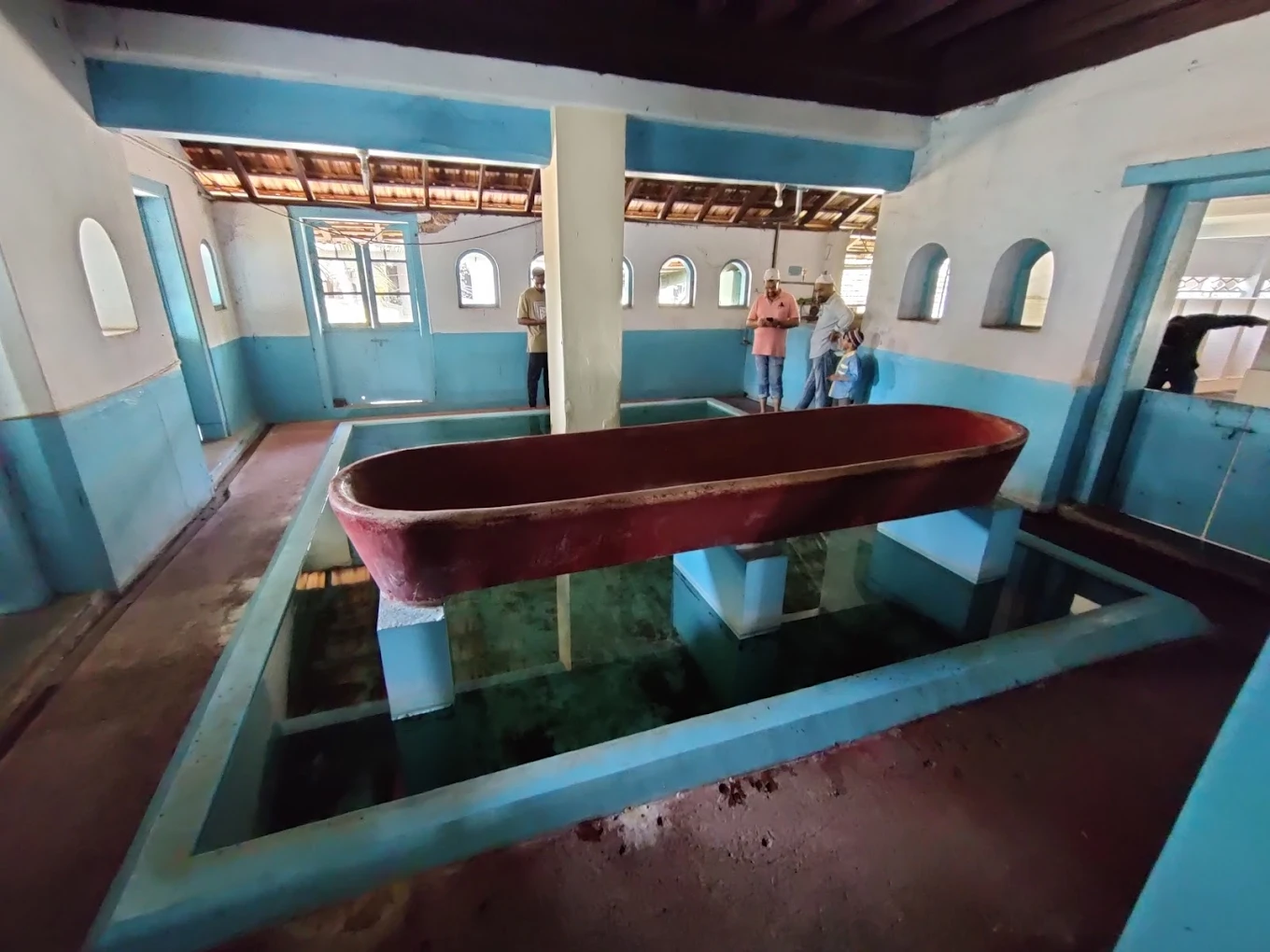
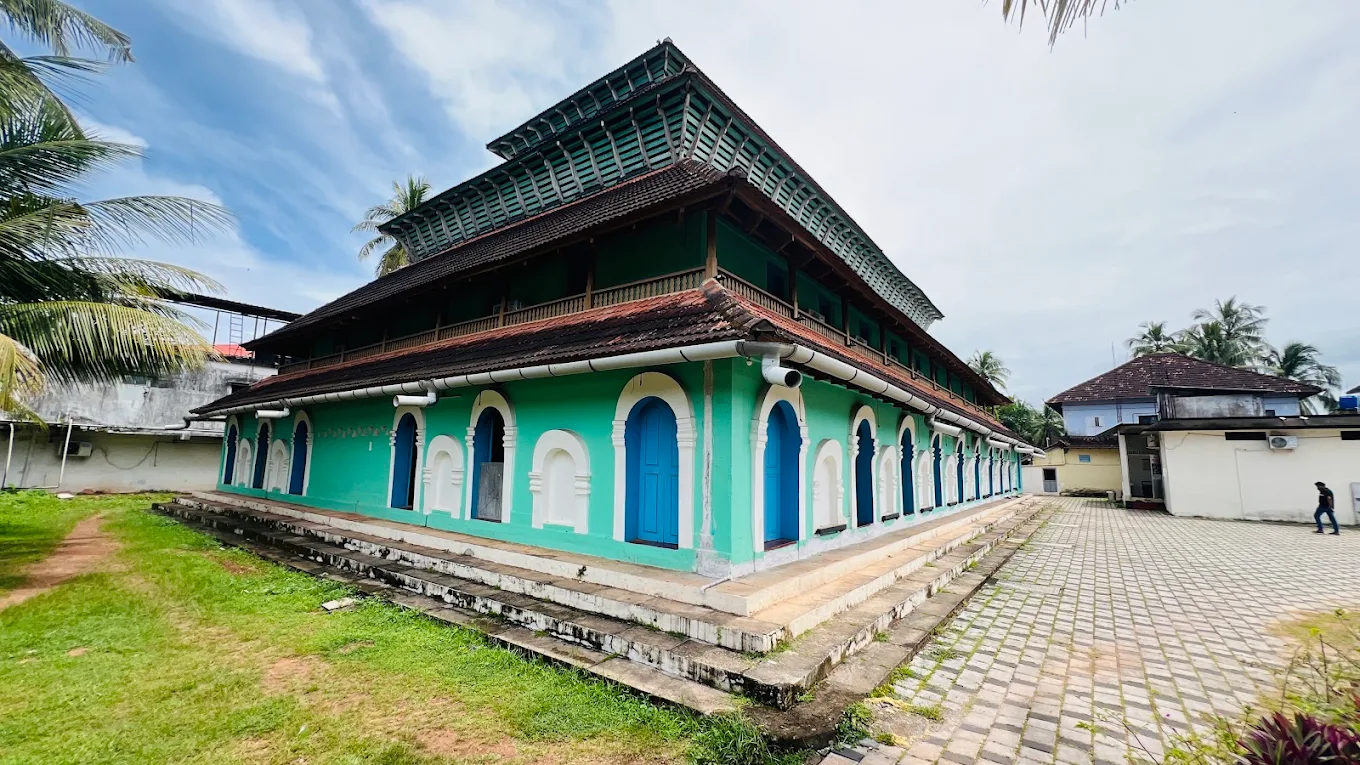
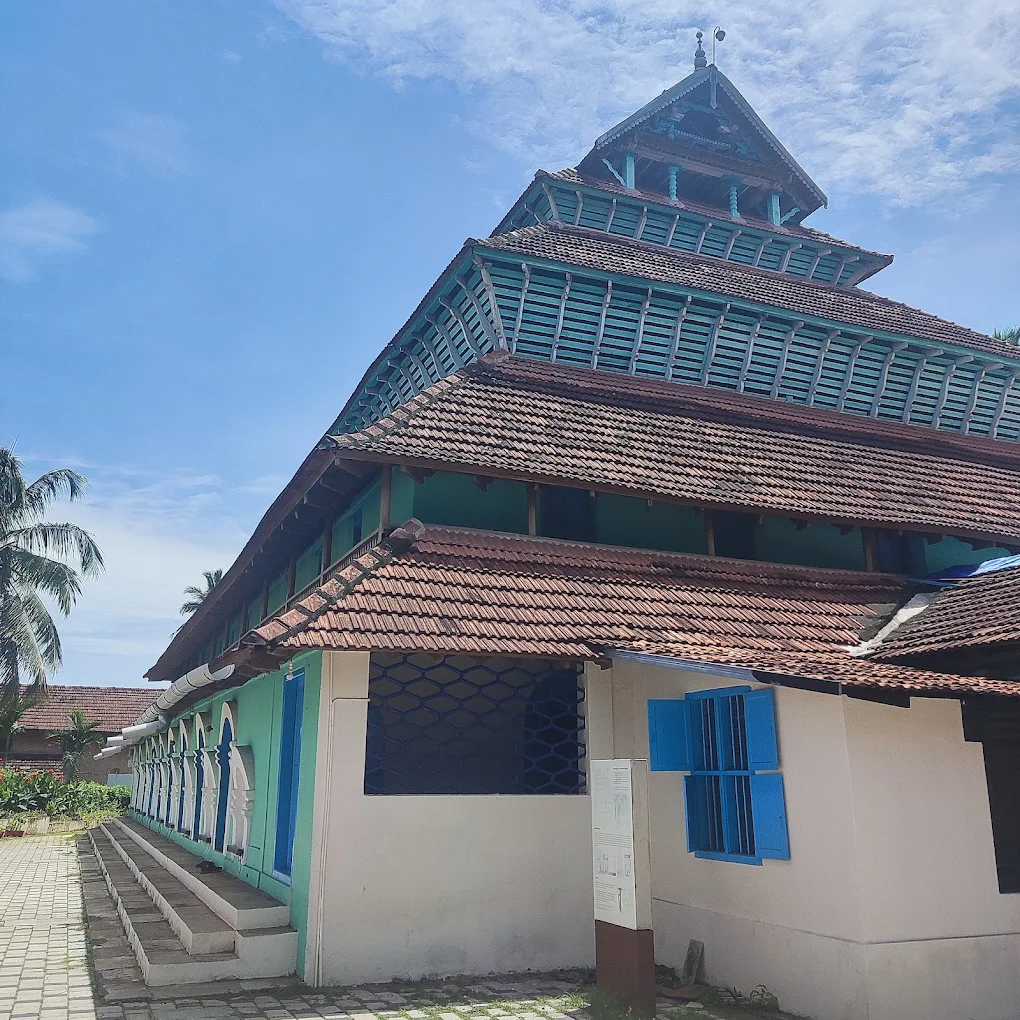
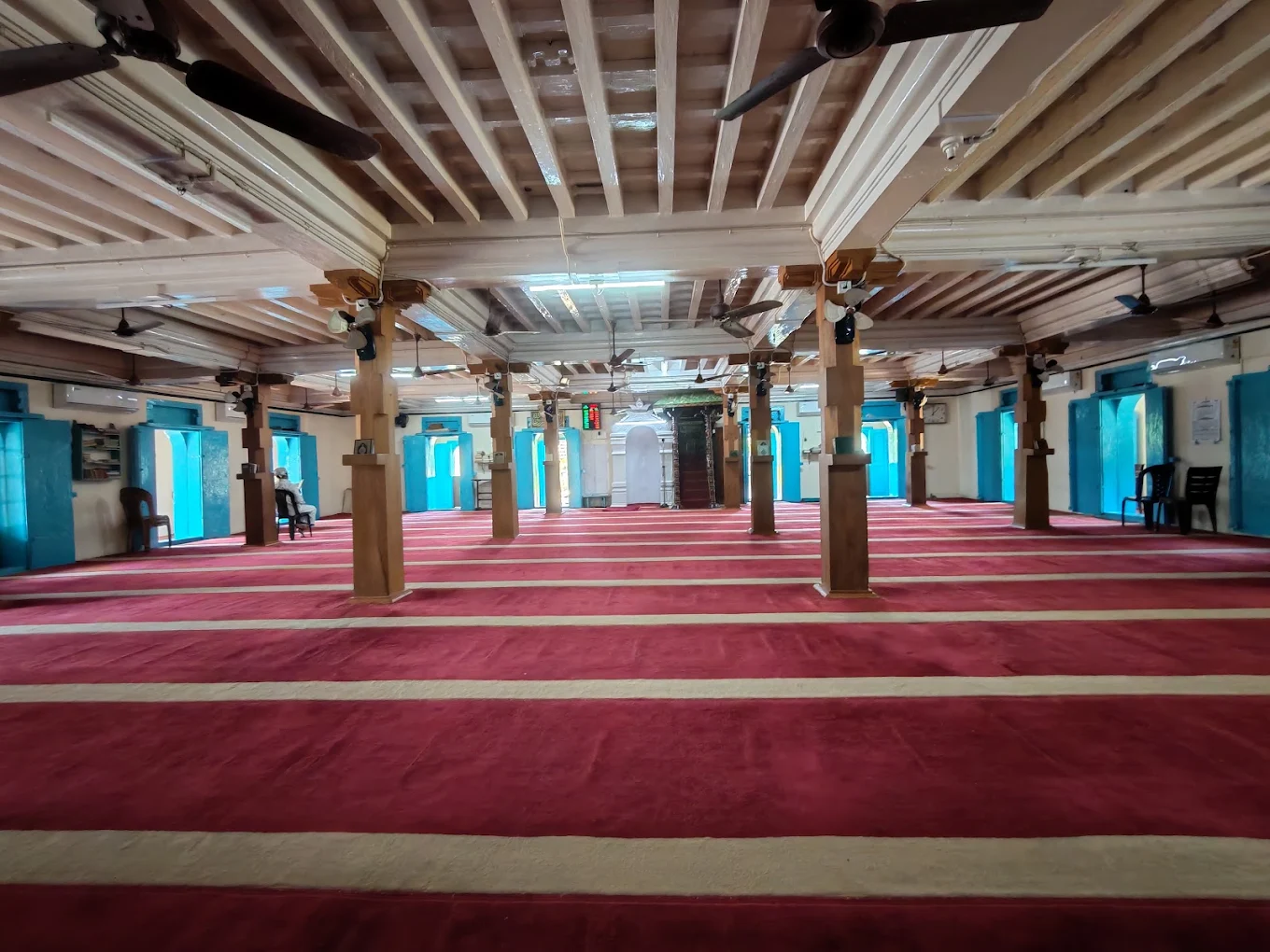
A Masterpiece of Kerala-Islamic Architecture
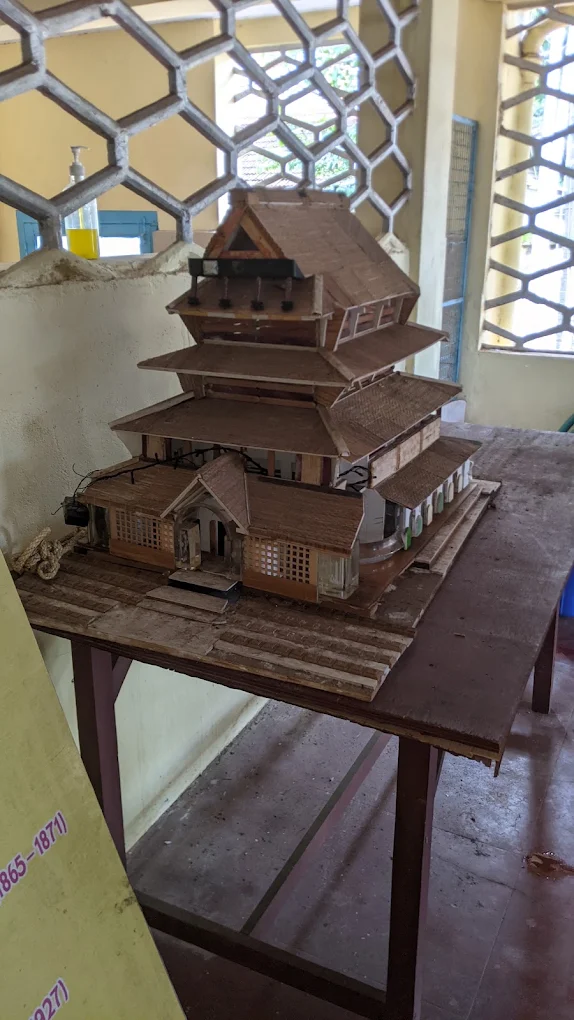
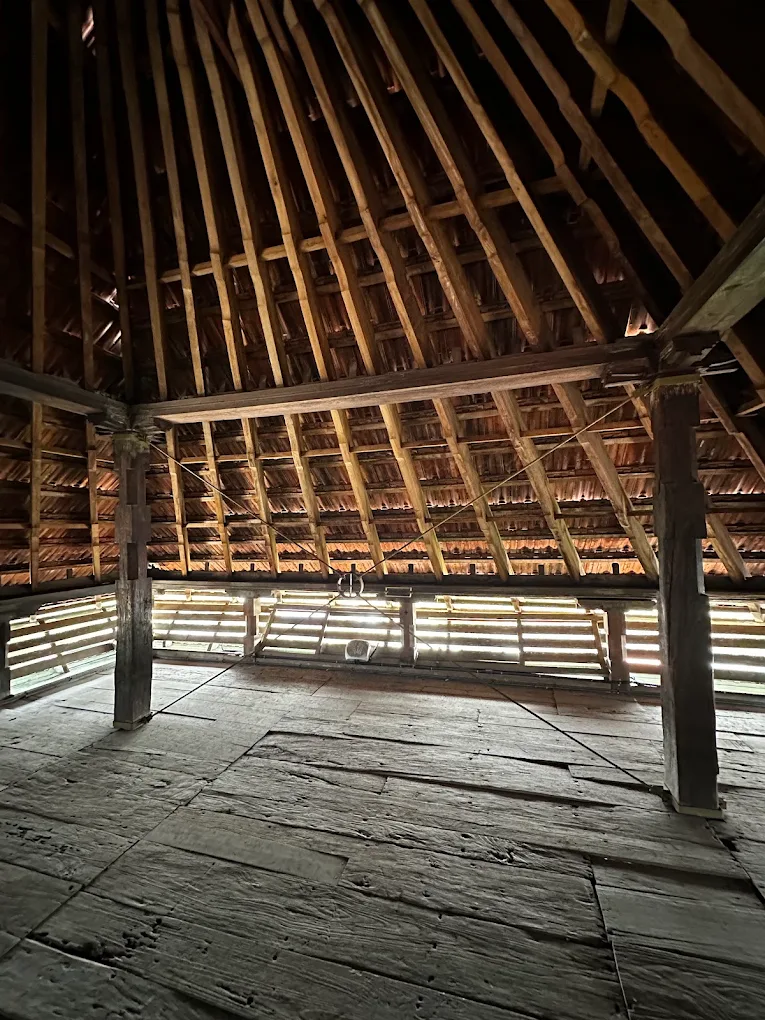
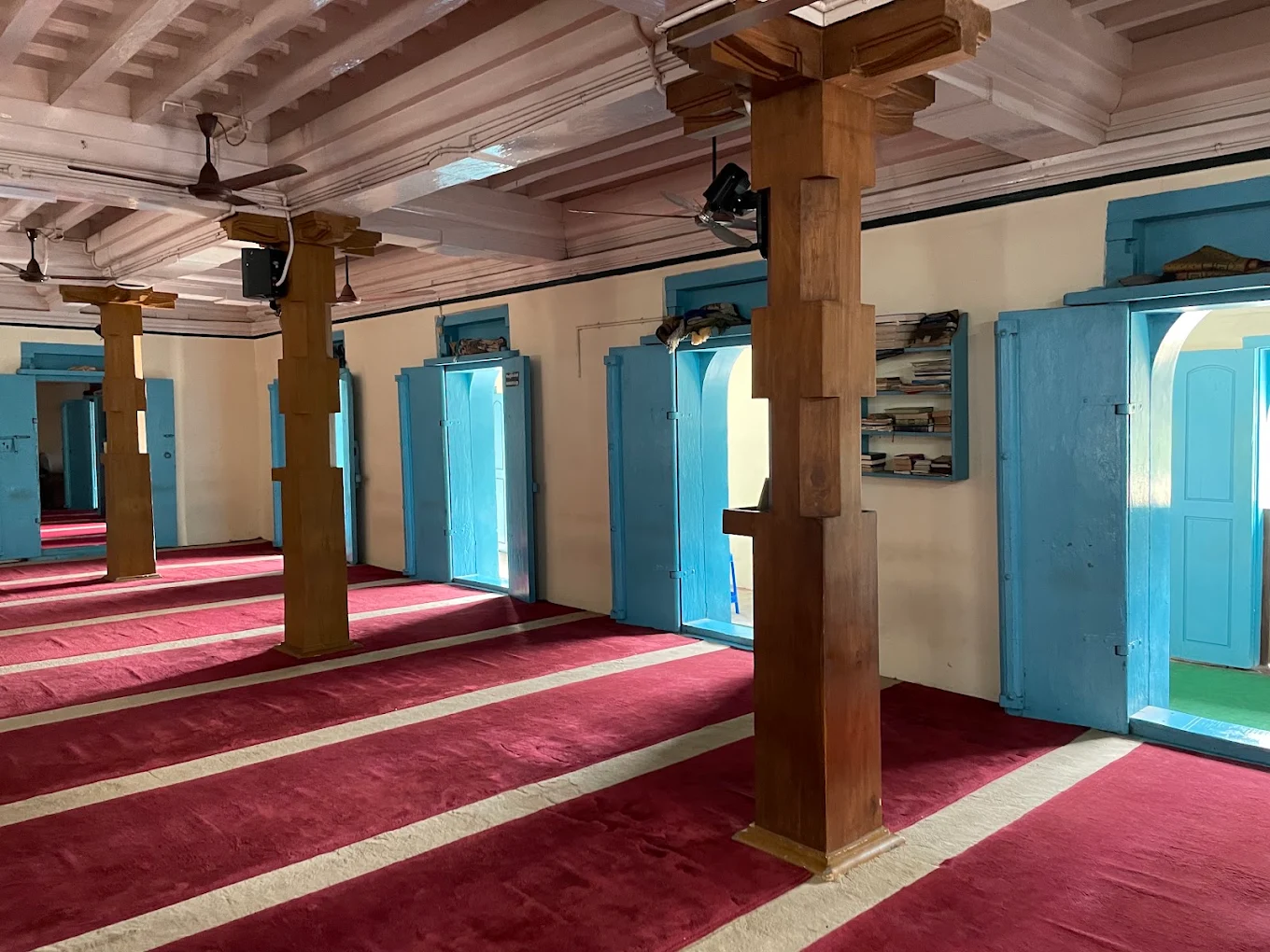
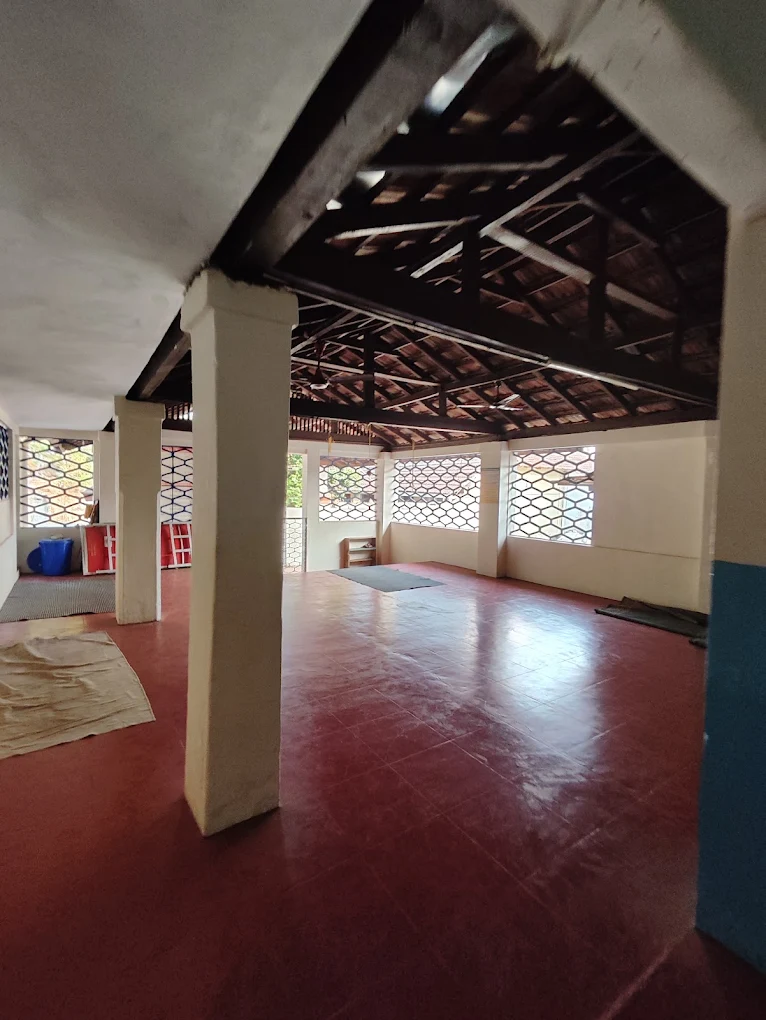
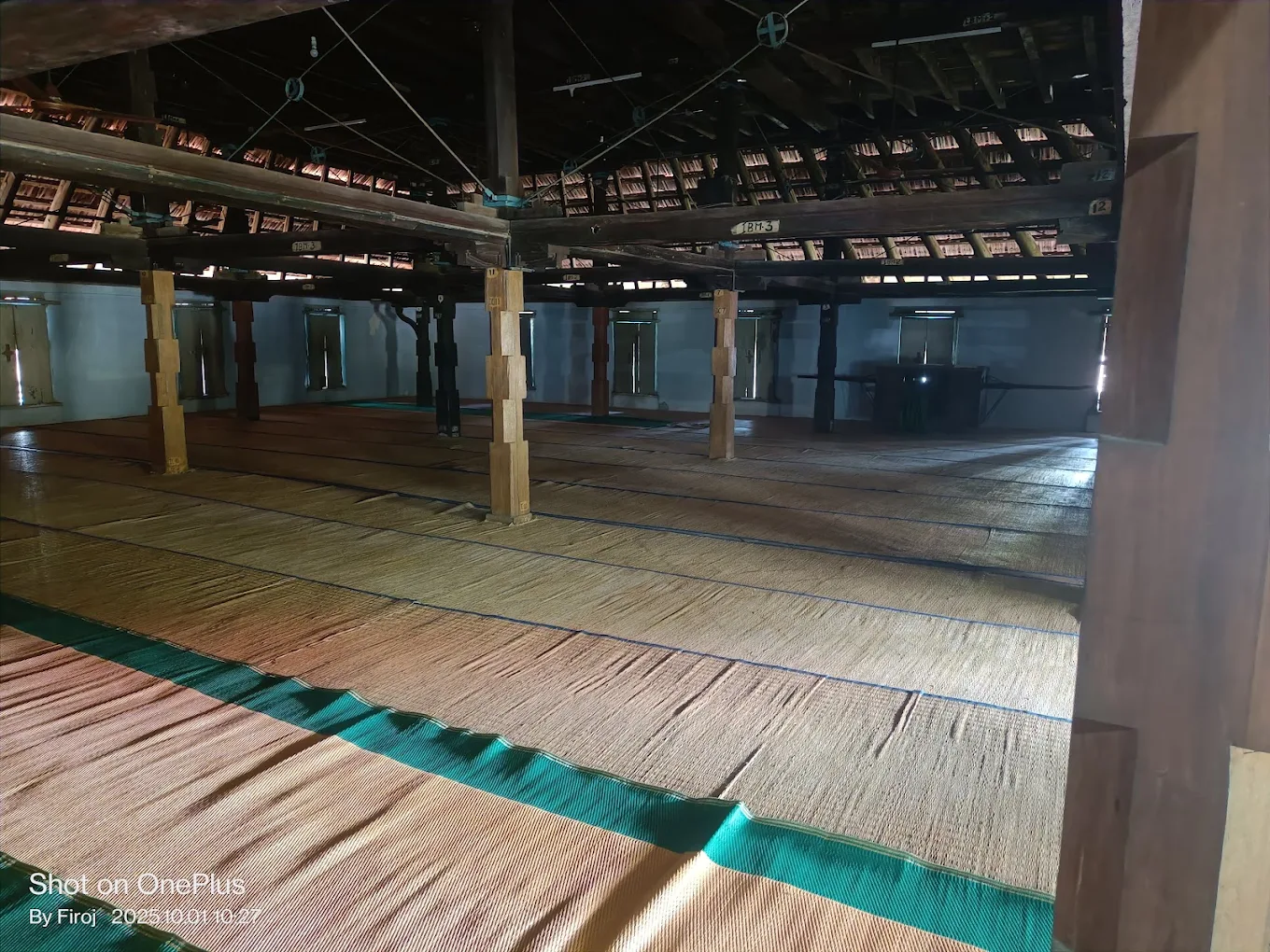
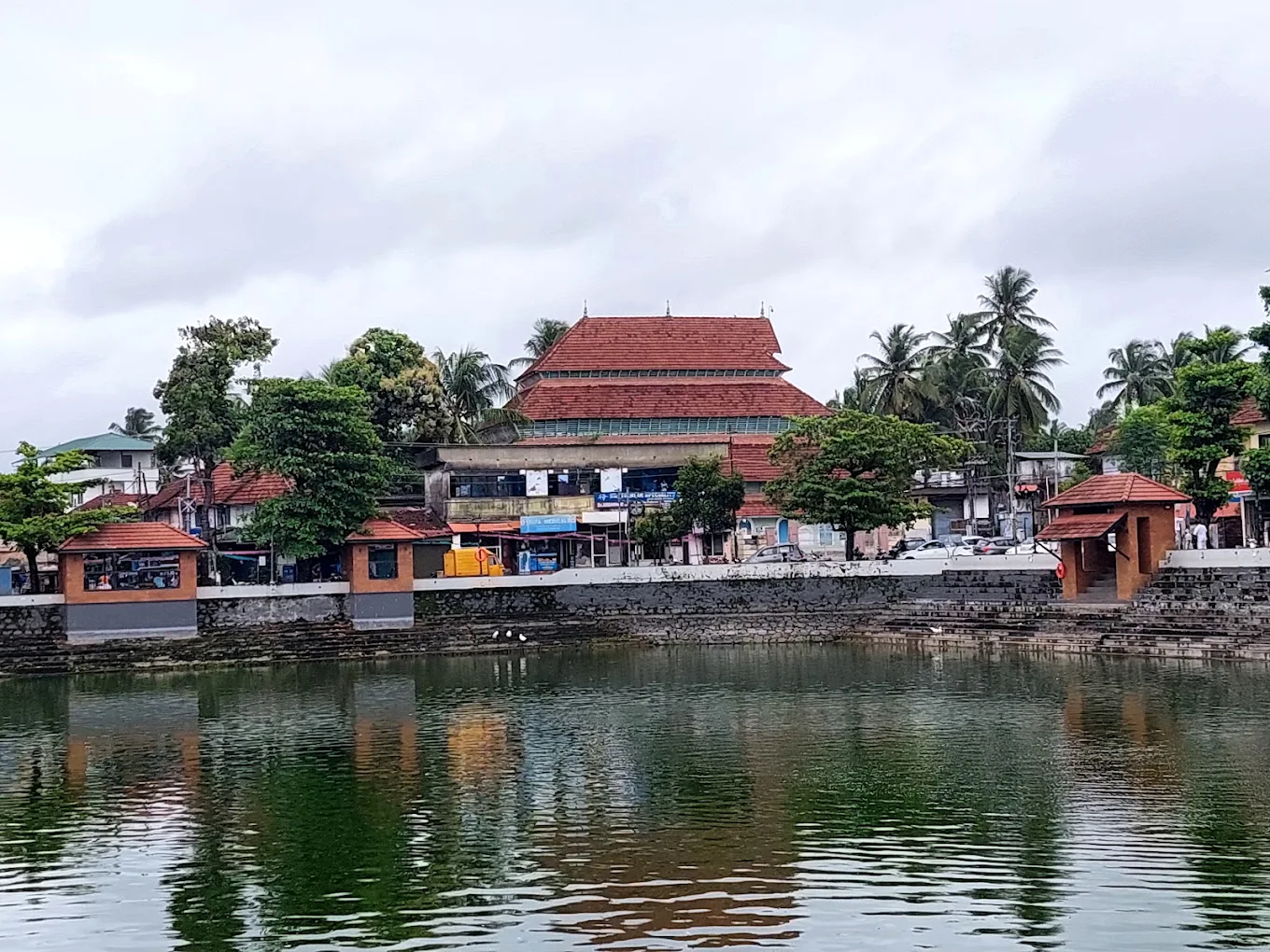
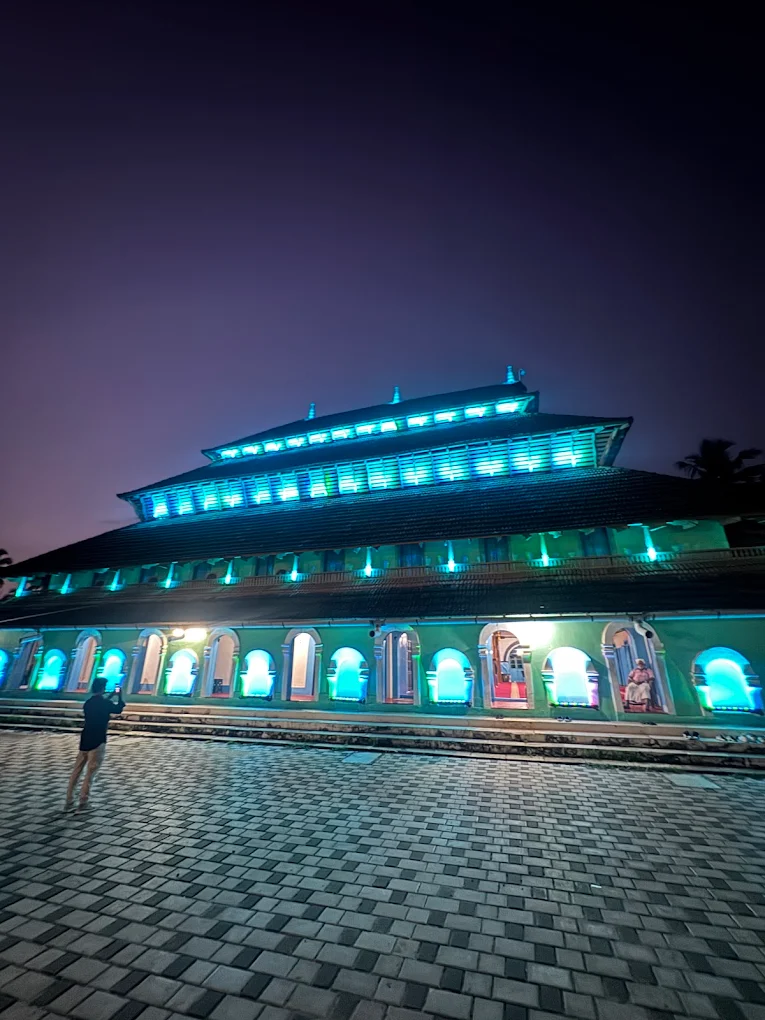
Unlike the iconic stone mosques of the Middle East or North India, the Mishkal Mosque features no domes or minarets. Instead, it is a triumph of traditional Kerala timber architecture and Vaastu Shastra principles. Originally towering at five stories, the mosque’s superstructure is crafted almost entirely from wood, resting on a laterite and lime masonry base. The building features 47 intricately carved doors, 24 engraved wooden pillars, and Italian tile paving at the entrance. The sweeping, multi-tiered sloped roofs were designed to withstand the heavy monsoon rains of the region, seamlessly blending the mosque into the coastal landscape.
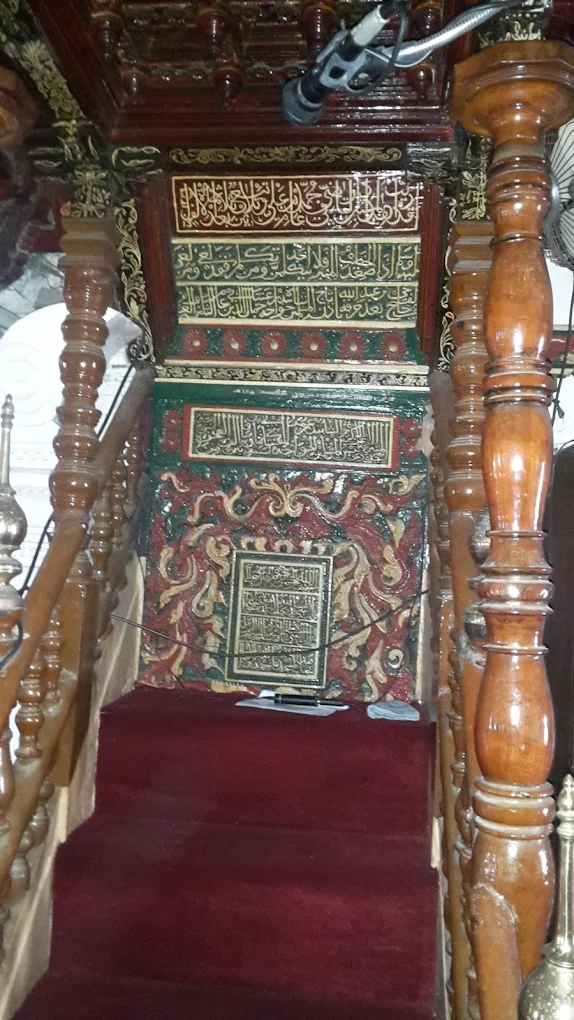
Inside, the prayer hall can accommodate around 300 to 400 worshippers. One of the most fascinating interior features is the wooden Mimbar (pulpit). It is adorned with rare geometric inlay work and Naksh script Arabic inscriptions that document the mosque’s history and renovations over the centuries.
The Portuguese Attack and the Power of Coexistence
The defining moment in the mosque’s history occurred in 1510. As Portuguese colonial forces sought to violently monopolize the spice trade, they launched an arson attack on Calicut, setting the grand Mishkal Mosque ablaze. The top tier was destroyed, reducing the mosque to its current four-story structure. However, the aftermath of the attack highlighted the extraordinary religious tolerance of the era. The Zamorin—the Hindu ruler of Calicut—stood in steadfast solidarity with his Muslim subjects. He actively assisted in repairing the mosque and restoring it to its former glory. Today, the burnt remnants of the upper wooden beams are still visible, preserved intentionally as a reminder of the community’s resilience and the Zamorin’s patronage.
Present Cultural Heritage and Value
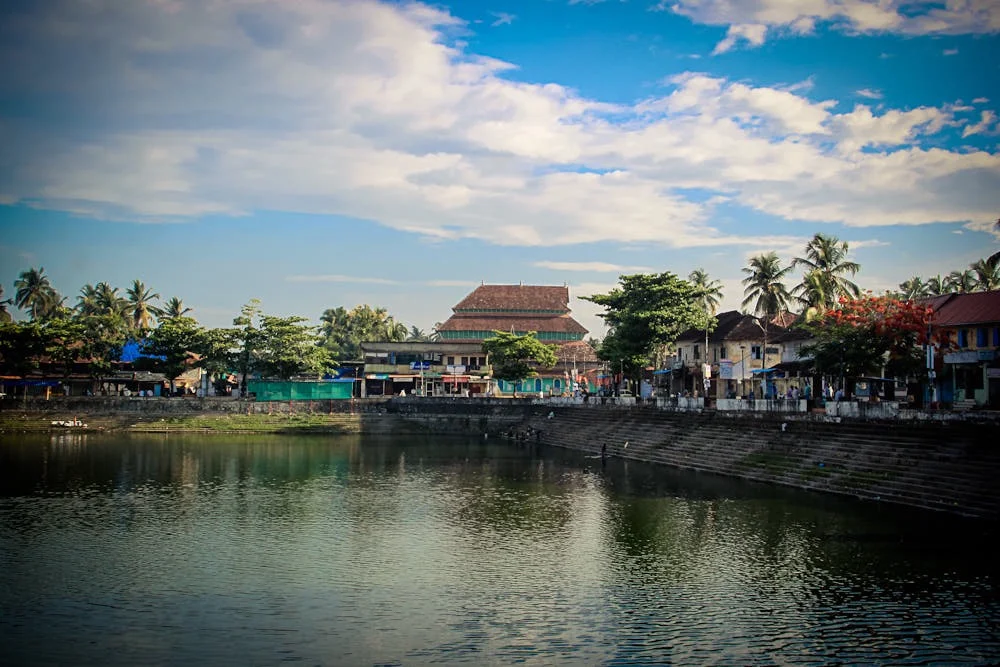
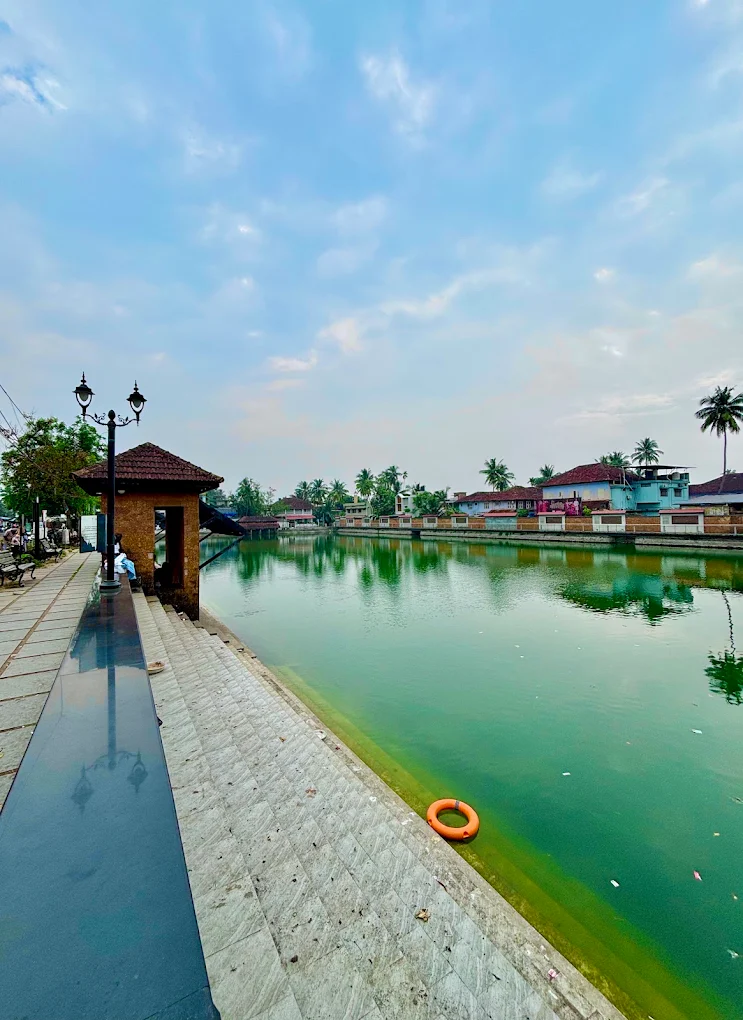
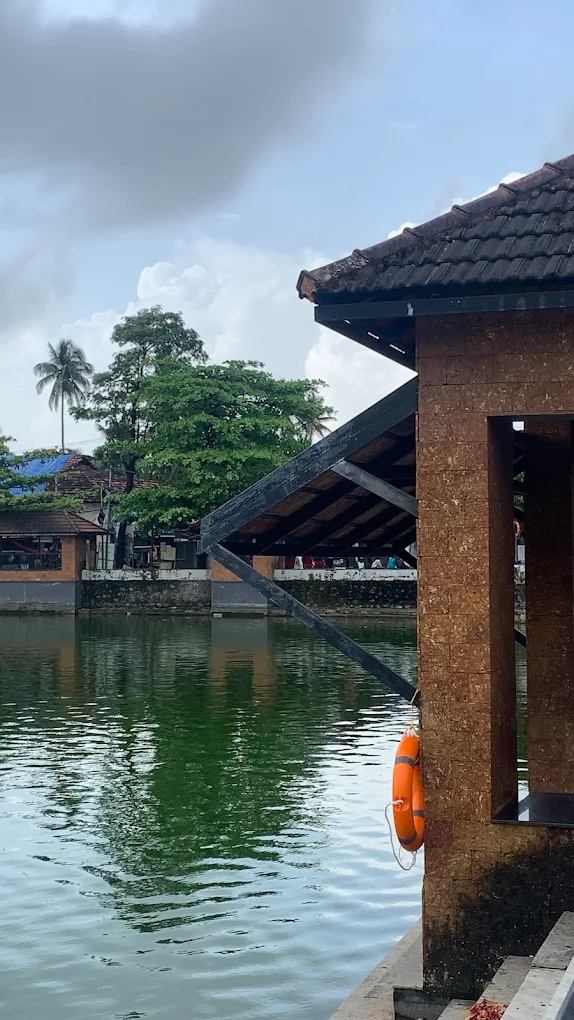
Today, Mishkal Mosque is much more than a historical relic; it remains a vibrant, active place of worship. Adjacent to the beautiful Kuttichira tank (pond), it sits at the heart of a neighborhood where memory, architecture, and daily community life intersect seamlessly. For the Muslim community—and for heritage travelers worldwide—its value is immeasurable. It stands as a physical rejection of the idea that cultures must exist in isolation. Instead, Mishkal Mosque proves that Islamic heritage has long thrived by embracing local traditions, fostering mutual respect, and building structures—both physical and social—that can withstand the fires of history.
Post Disclaimer | Support Us
Support Us
The sailanmuslim.com web site entirely supported by individual donors and well wishers. If you regularly visit this site and wish to show your appreciation, or if you wish to see further development of sailanmuslim.com, please donate us
 Donate
IMPORTANT : All content hosted on sailanmuslim.com is solely for non-commercial purposes and with the permission of original copyright holders. Any other use of the hosted content, such as for financial gain, requires express approval from the copyright owners.